Table of Contents
- Gaming Disorder: A Mental Health Condition
- The Impact of Online Gaming on Mental Health
- Parental Awareness and Responsibility
- Risks of Video Game Addiction on Teens
- Mental and Emotional Health Impact
- Guidelines for Establishing Balanced Gaming Routines
- Government Initiatives and Resources
- Conclusion
- About the Author
- FAQs
In today's digital era, online gaming has become a prevalent pastime among teenagers, offering entertainment and social interaction. However, excessive gaming can lead to mental health challenges, including addiction, anxiety, and depression. Striking a balance between mental health and gaming is crucial for teenagers, especially in urban areas like Raipur..
The Good And The Bad
In the realm of online gaming, emotions can be as diverse as the games themselves. On the positive side, gaming offers a much-needed escape from the rigors of daily life, providing a virtual sanctuary where stress dissipates, and relaxation takes center stage. Beyond solo adventures, it acts as a social catalyst, fostering meaningful interactions and community bonds that traverse geographical boundaries.
However, like any good thing, excess can tip the scales. Excessive gaming can metamorphose into addiction, with signs manifesting in obsessive gameplay and an increasing inability to disengage. This addiction often comes at the cost of real world responsibilities, creating a stark imbalance. Neglecting family, work, and personal commitments becomes a red flag, signaling that the virtual world might be encroaching too far into reality. Striking a delicate equilibrium between the positive aspects and the pitfalls is key to maintaining a healthy relationship with online gaming.
The Brain Behind The Screen
Dopamine’s Role in Gaming
Gaming triggers our brain’s reward system, flooding it with dopamine when we achieve milestones or conquer challenges. This surge of feel good neurotransmitters keeps us engaged and eager for more. However, this very mechanism can pave the way for addiction, as the brain craves that dopamine hit, leading to dependency on gaming for satisfaction.
Stress For Gaming
Intense gaming sessions can alleviate stress levels, releasing cortisol, the stress hormone. While a moderate level of stress is manageable, prolonged exposure to high stress during gaming can have lasting impacts on mental well being. It might manifest as increased anxiety, and mood disturbances, or even contribute to long term mental health issues if left unchecked.
Understanding these neurological and stress related aspects sheds light on the complex relationship between gaming and mental health, urging a balanced approach to gaming habits for overall well being.
Gaming Disorder: A Mental Health Condition
Some call video games “the new drug.” In 2019, the World Health Organization recognized teenage video game addiction or “Gaming Disorder” as a mental health condition. It was officially added to the International Classification of Diseases, ICD-11, in 2022.
Gaming addiction in teenagers has significant effects, including on academic performance, physical health, and social skills:
-
Academic performance due to poor concentration and reduced study time
-
Physical health (obesity and sleep disturbances) due to the sedentary nature of gaming
-
Social skills due to withdrawal from face-to-face interactions
For a proper diagnosis and treatment plan for gaming disorder, it is recommended to consult a mental health professional, such as a counselor specializing in gaming addiction or an addiction counselor.
Gaming, money and mental health
Just like with any hobby, you might spend money on your gaming like buying equipment, new games, or in game stuff like skins. There’s nothing wrong with spending money on gaming, as long as you can afford it and you understand the risks.
Games often encourage spending money, especially when you’re really into them. When you’re absorbed in a game, it can be easy to lose track of how much you’re spending or make quick decisions without thinking. Sometimes you might not even
realise you ‘re buying something. To avoid spending too much, try following these tips:
-
Before you start a game, check if there are any in-game or in-app purchases.
-
Think about how much you’re willing to spend. Keep track and stick to that limit.
-
Take time away from the game before you decide if you want to buy something.
-
If you’re spending someone else’s money, like a parent's, make sure to get their permission first.
The Impact of Online Gaming on Mental Health
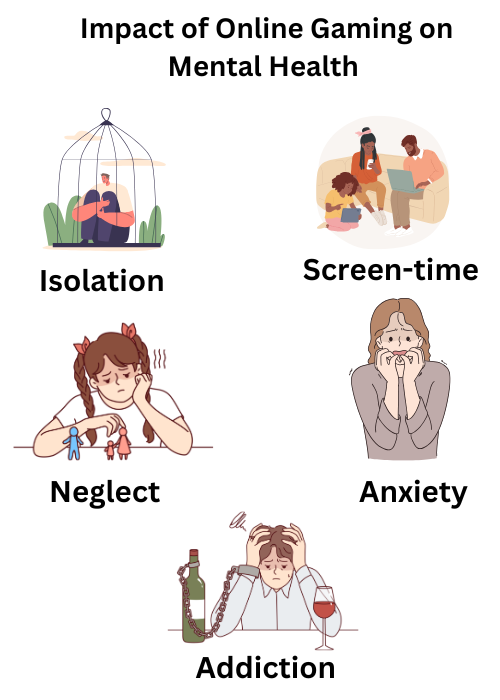
Online gaming can enhance cognitive skills such as problem-solving and strategic thinking. It also provides a platform for social engagement through multiplayer interactions. However, overindulgence can result in negative outcomes:
Addiction: Excessive gaming can lead to addictive behaviors, impacting daily activities and responsibilities.
Mental Health Issues: Studies have linked prolonged gaming to increased risks of anxiety, including online gaming and depression.
Physical Health Concerns: Extended screen time is associated with sleep disturbances and a sedentary lifestyle, contributing to obesity.
Parental Awareness and Responsibility
Parents have the responsibility to be aware of these issues and set healthy gaming habits for their teens. This requires a collaborative effort from parents, educators, and mental health professionals to:
-
Raise awareness
-
Set healthy boundaries
-
Promote alternative leisure activities
Video Game Addiction
Teen gaming addiction, also known as video gaming addiction, involves excessive and compulsive engagement in video games, leading to negative consequences in their lives.
This condition is characterized by changes in brain matter, poor decision-making, impulse control, emotion regulation, and an increased risk of substance abuse disorder.
Often, teens with video gaming addiction prioritize gaming over critical activities such as school, social interactions, and self-care, leading to a decline in academic performance and social isolation from friends and family.
Teens may experience withdrawal symptoms, such as irritability and restlessness when unable to play, and they may develop a tolerance, requiring more extended hours of play to experience the same level of satisfaction.
The debate on classifying video game addiction as a behavioral addiction highlights the potential co-occurrence of video gaming addiction with other disorders like substance abuse, further emphasizing the need for awareness and intervention in such cases.
Enthusiasm vs Addiction
Enthusiastic gaming in teens reflects a positive passion for gaming, promoting creativity, teamwork, and cognitive skills but balanced with other life activities, and maintaining school and social commitments.
Problematic gaming behavior interferes with daily life and leads to neglected responsibilities, poorer academic performance, and strained relationships.
Online games, particularly those with multiplayer environments and microtransactions, significantly contribute to addictive behaviors among players.
These games often use psychological strategies to keep players engaged for extended periods, with features unique to online gaming exacerbating addiction through limited-time, exclusive in-game offers and small purchases that can lead to compulsive spending or even a form of gambling.
The impact on adolescents varies depending on factors such as content, time spent, and individual traits. However, parents and guardians should actively monitor and set limits to ensure a balanced gaming experience for their teens.
Video Game Addiction Symptoms in Teens
Warning Signs
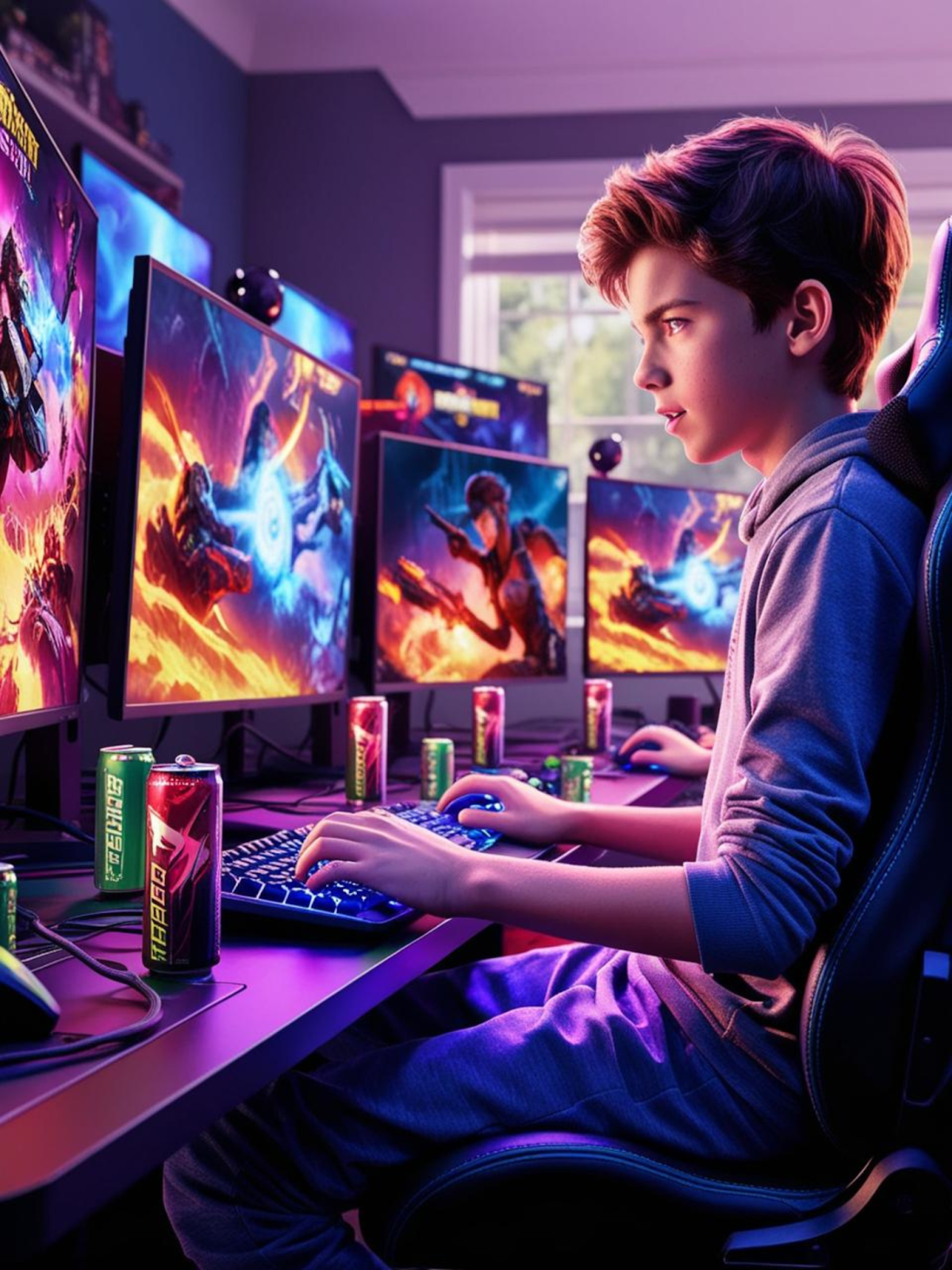
What health problems do teenagers with a gaming addiction face? Video game addiction in teens can manifest through a range of behavioral, emotional, and physical signs.
Behaviorally, addicted teens may show increased preoccupation with gaming, neglecting schoolwork, hobbies, and social activities. They may spend many hours playing games, leading to disrupted sleep patterns and neglect of personal hygiene.
Emotionally, these teens may display heightened irritability, mood swings, and anxiety when unable to access their favorite games. They might experience a sense of restlessness and impatience, anticipating the next gaming session. Feelings of guilt or shame may also arise due to neglecting responsibilities.
Physically, video game and teen addiction can lead to health issues such as headaches, eye strain, and fatigue. Prolonged sedentary behavior can result in weight gain and posture-related problems.
Risks of Video Game Addiction on Teens
Physical Health Consequences
Excessive video gaming among teenagers can lead to several potential health issues that may impact their overall well-being. These include:
-
Sleep disturbances: Prolonged gaming sessions, especially late into the night, can lead to insomnia or irregular sleep schedules resulting in diminished cognitive abilities, mood swings, and reduced academic performance.
-
Physical inactivity: Teens may spend prolonged hours sitting in front of screens, leading to a sedentary lifestyle, weight gain, muscular and skeletal problems, and cardiovascular issues, as well as digital eye strain and vision problems.
Mental and Emotional Health Impact
The Relationship Between Gaming and Stress, Anxiety, and Depression
Researchers have explored the correlation between gaming addiction and various negative mental health outcomes. Studies suggest that excessive gaming can contribute to anxiety, depression, and social isolation among adolescents.
-
Gaming can become a form of escape from real-life stressors, offering a temporary relief. However, prolonged exposure can increase avoidance, isolation and loneliness, disrupt sleep patterns, and reduce physical activity, leading to heightened stress and anxiety.
-
The competitive nature of online gaming and the pressure to succeed can contribute to elevated stress levels.
-
Excessive gaming can paradoxically hinder face-to-face interactions, interfere with social interactions and contribute to social isolation, worsening feelings of loneliness and depression.
As a result, teens may find it challenging to build and maintain real-life relationships, intensifying feelings of loneliness and further deepening their mental health issues.
What Can We Do As Parents and Guardians
Teens and video games do not always lead to negative outcomes. Moderation, balance, and a supportive environment are key. Encouraging healthy gaming habits, open communication, and fostering diverse interests can help reduce potential negative effects and promote overall well-being.
Being a positive role model can motivate teenagers to adopt similar habits.
By combining responsible gaming practices with physical activities and wellness routines, teenagers can enjoy video games while maintaining a well-rounded and healthy lifestyle.
Guidelines for Establishing Balanced Gaming Routines
Parental involvement and supervision play an important role in teenagers’ engagement with video games, fostering responsible and beneficial gaming habits.
Understanding why teenagers are addicted to video games and the content of the games their teens play allows parents to address any inappropriate themes or behaviors.
By showing interest in their gaming experiences, parents can guide their children toward games that are not only enjoyable but also offer educational value and promote critical thinking skills.
Also, establishing guidelines together with teenagers encourages their active participation in finding solutions, making it more likely that they will adopt healthier gaming habits.
Here are some guidelines:
-
Set clear boundaries: Discuss and agree on specific daily or weekly gaming hours. Ensure these limits are reasonable and provide ample time for other activities like homework, physical exercise, and social interactions.
-
Create a schedule: Help teens create a structured routine that includes gaming time as well as time for academics, chores, hobbies, and family time. Stick to the schedule to instill discipline.
-
Encourage outdoor activities: Encourage teens to engage in outdoor sports and activities regularly. This will help them maintain physical health and reduce excessive screen time.
-
Promote educational gaming: Encourage games that offer educational value or promote cognitive development, striking a balance between entertainment and learning.
-
Lead by example: Be a role model and manage your screen time responsibly to set a good example for teens.
-
Monitor content: Ensure teens are playing age-appropriate and non-violent games that align with family values.
-
Engage in open communication: Maintain an open dialogue with teens about the importance of moderation and its impact on their well-being.
Recognizing Signs of Unhealthy Gaming Habits
Identifying problematic gaming behaviors is essential:
-
Emotional Indicators: Irritability or restlessness when not gaming.
-
Behavioral Signs: Neglecting schoolwork, chores, or personal hygiene.
-
Social Withdrawal: Preferring gaming over in person interactions with family and friends.
Strategies for Healthy Gaming
Implementing balanced gaming habits can promote mental well-being:
-
Set Time Limits: Allocate specific periods for gaming to ensure time for other activities.
-
Take Regular Breaks: Incorporate short breaks during gaming sessions to rest and recharge.
-
Engage in Physical Activities: Participate in sports or exercise to counteract sedentary behavior.
-
Maintain Open Communication: Discuss gaming habits with family members to establish healthy boundaries.
Government Initiatives and Resources
The Indian government has recognized the challenges of gaming addiction and has taken steps to address them:
-
Advisories: The Ministry of Education issued guidelines to parents and teachers on children's safe online gaming, highlighting the risks of gaming addiction.
-
Regulations: Policies aim to safeguard users against gaming addiction, including measures like warning messages during prolonged gaming sessions.
For teenagers in Raipur, online therapy in India serves as a valuable resource for addressing gaming addiction and promoting mental wellness. Click2Pro offers specialized services tailored to the unique challenges faced by teens.
Support Services in Raipur
For teenagers in Raipur seeking assistance, Click2Pro offers specialized mental health services:
-
Counselling: Professional support to address gaming addiction and related mental health concerns.
-
Workshops: Programs designed to educate families about healthy gaming habits and mental wellness.
Parents and teenagers can benefit from connecting with a counsellor in Raipur to create a balanced approach to gaming and wellness.
Conclusion
Balancing online gaming with mental health is achievable through mindful practices and utilizing available resources. By setting boundaries, engaging in diverse activities, and seeking support when needed, teenagers can enjoy gaming while maintaining their well-being.
About the Author
Arshiya Anwar is a Senior Psychologist at Click2Pro, specializing in adolescent mental health, gaming addiction, and wellness strategies. With a focus on helping teens and their families navigate the challenges of modern digital life, Arshiya combines her expertise in psychology with a passion for promoting balanced, healthy lifestyles. Based in Raipur, she works closely with local communities, offering counselling and personalized wellness plans that cater to the unique needs of teenagers in the city.
FAQs
-
What are the mental health risks of excessive gaming?
Excessive gaming can lead to addiction, anxiety, depression, and social isolation.
-
How can I balance gaming and my mental health?
Set specific time limits for gaming, take regular breaks, engage in physical activities, and maintain open communication with family about your gaming habits.
-
Are there government resources to help with gaming addiction?
Yes, the Indian government has issued advisories and implemented regulations to address gaming addiction, including guidelines for safe online gaming.
-
What services does Click2Pro offer in Raipur?
Click2Pro provides counselling and workshops focused on managing gaming habits and promoting mental health among teenagers.
-
Can gaming have positive effects on mental health?
In moderation, gaming can enhance cognitive skills and provide social interaction, but it's important to balance it with other aspects of life.