Table of Contents
- The Role of Body Language in Relationships
- How Body Language Counselling Works
- Common Misinterpretations and Their Impact
- Scientific Insights into Body Language
- Benefits of Body Language Counselling
- Case Study: Rekindling Connection Through Body Language
- Incorporating Body Language Counselling in Gandhinagar
- Conclusion
- About the Author
- FAQs
In the intricate dance of human relationships, much of our communication occurs without words. Non-verbal cues—such as gestures, facial expressions, and posture—play a pivotal role in conveying emotions and intentions. Understanding and effectively utilizing body language can significantly enhance interpersonal connections. This is where body language counselling comes into play, offering insights into the unspoken elements of communication to foster healthier and more fulfilling relationships.
The Role of Body Language in Relationships
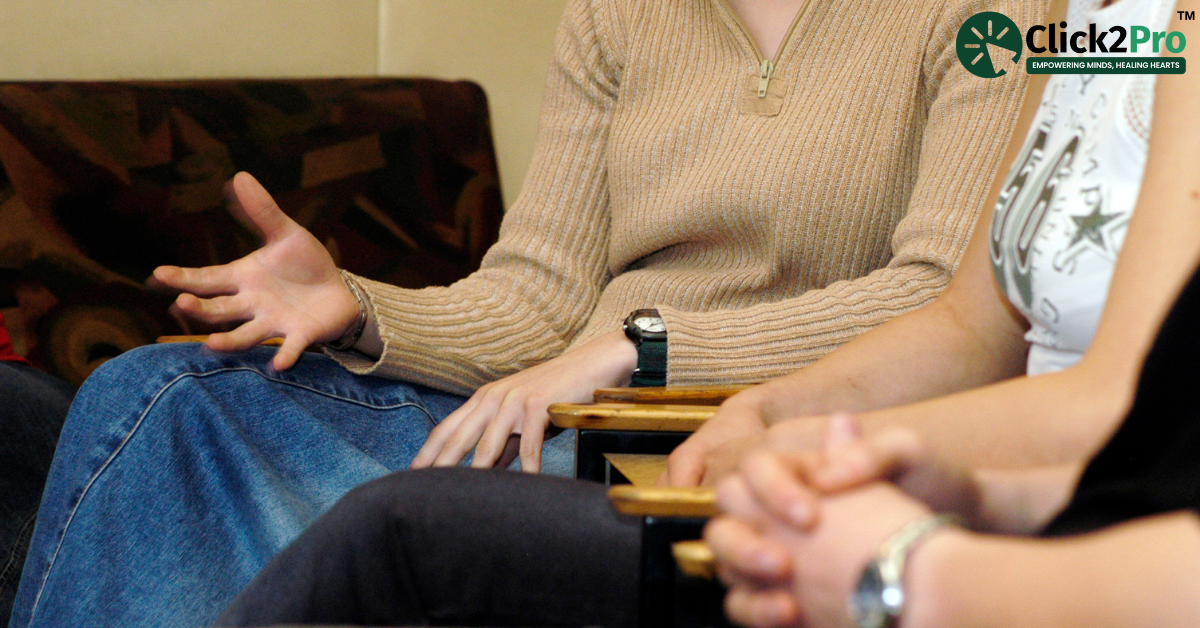
Body language encompasses a wide range of non-verbal signals that individuals use to express their feelings and thoughts. In relationships, these cues can either strengthen bonds or lead to misunderstandings. For instance, maintaining eye contact often signifies attentiveness and interest, while crossed arms might be interpreted as defensiveness or disinterest. By becoming aware of these signals, individuals can better understand their partners and communicate more effectively.
How Body Language Counselling Works
Body language counselling involves working with a trained professional to recognize and interpret non-verbal cues within the context of a relationship. Counsellors employ various techniques, such as role-playing and video analysis, to help individuals and couples become more attuned to their own and each other's body language. This heightened awareness can lead to improved communication, reduced conflicts, and a deeper emotional connection.
Key Areas Enhanced by Body Language Counselling
Conflict Resolution: During disagreements, non-verbal cues can escalate or de-escalate tensions. Learning to adopt open postures, maintain appropriate eye contact, and use calming gestures can facilitate more constructive discussions.
Emotional Expression: Understanding micro-expressions—subtle facial movements that reveal true emotions—can help partners respond more empathetic to each other's feelings.
Building Intimacy: Physical touch, proximity, and affectionate gestures are fundamental to intimacy. Counselling can guide couples in expressing affection through body language, thereby strengthening their bond.
Active Listening: Non-verbal signals like nodding, leaning forward, and mirroring expressions demonstrate engagement and understanding, fostering a supportive communication environment.
Common Misinterpretations and Their Impact
Misreading body language can lead to unnecessary conflicts. For example, interpreting a partner's silence as disinterest, when it might be a sign of contemplation, can cause misunderstandings. Body language counselling by a Psychotherapist in Gandhinagar helps individuals recognize and correct these misinterpretations, promoting a more harmonious relationship.
Scientific Insights into Body Language
Research indicates that a significant portion of communication is non-verbal. Studies have shown that body language accounts for approximately 60-65% of communication.Understanding these cues is essential for effective interpersonal interactions. Moreover, the concept of mirror neurons—neurons that fire both when an individual acts and when they observe the same action performed by another—explains why we often subconsciously mimic our partner's body language, fostering empathy and connection.
Techniques Employed in Body Language Counselling
Counsellors utilize various methods to enhance non-verbal communication skills:
Self-Awareness Exercises: Individuals learn to become conscious of their own body language and how it may be perceived by others.
Non-Verbal Validation: Techniques that reinforce positive behaviors through affirming gestures, such as nodding or smiling.
Joint Sessions: Couples engage in activities that promote synchronized non-verbal communication, such as mirroring each other's movements to build rapport.
Benefits of Body Language Counselling
Engaging in body language counselling offers numerous advantages:
Enhanced Trust: Consistent and congruent non-verbal cues build trust between partners.
Improved Emotional Intimacy: Understanding and effectively expressing emotions non-verbally deepens the emotional connection.
Reduced Misunderstandings: Accurate interpretation of body language minimizes conflicts arising from miscommunication.
Case Study: Rekindling Connection Through Body Language
Consider the case of Raj and Priya, a couple from Gandhinagar experiencing frequent misunderstandings. Despite their love for each other, their conversations often led to conflicts. Through body language counselling, they learned to recognize non-verbal cues that were contributing to their issues. Raj realized that his habit of looking away during discussions made Priya feel ignored, while Priya's crossed arms were perceived by Raj as defensiveness. By becoming aware of these behaviors and practicing open postures and active listening, they significantly improved their communication and strengthened their relationship.
Incorporating Body Language Counselling in Gandhinagar
For residents of Gandhinagar, including areas like Sector 9, Sector 10, Sector 11, and Sector 12, seeking local online counselling services can be beneficial. Engaging with a psychotherapist in Gandhinagar who specializes in body language can provide personalized guidance. Additionally, for those preferring flexibility, counselling online offers access to professional support from the comfort of home.
Conclusion
Understanding and effectively utilizing body language is crucial for nurturing healthy relationships. Body language counselling provides valuable tools to decode non-verbal cues, leading to improved communication, deeper emotional connections, and a more fulfilling partnership. Whether through in-person sessions in Gandhinagar or online platforms, embracing this form of counselling can be a transformative step toward enhancing your relationship.
About the Author
Krisha Sanghvi is a Senior Psychologist at Click2Pro with extensive experience in relationship counselling and non-verbal communication techniques. Based in Gandhinagar, Krisha specializes in helping individuals and couples enhance their emotional connections through innovative approaches such as body language counselling. Her empathetic yet professional guidance has transformed countless relationships, fostering trust, understanding, and intimacy. Krisha is passionate about empowering clients to decode the unspoken aspects of communication, enabling them to build stronger, healthier connections.
FAQs
1.How can body language improve relationships?
Body language enhances relationships by conveying emotions and intentions non-verbally, fostering trust, empathy, and understanding between partners.
2.What is body language counselling for couples?
Body language counselling for couples involves working with a therapist to recognize and interpret non-verbal cues, improving communication and resolving conflicts.
3.What are some examples of positive body language in relationships?
Examples include maintaining eye contact, open postures, gentle touches, and mirroring each other's gestures, all of which signify attentiveness and affection.
4.How does body language affect communication in relationships?
Body language significantly impacts communication by reinforcing or contradicting verbal messages, thereby influencing how partners perceive and respond to each other.
5.Can body language counselling help in long-distance relationships?
Yes, body language counselling can benefit long-distance relationships by teaching partners how to maximize the impact of non-verbal cues during video calls or in-person meetings. Counsellors provide strategies to enhance communication through facial expressions, tone of voice, and intentional gestures, helping maintain emotional connection despite physical distance.