Table of Contents
- The Subtle Power of Non-Verbal Communication
- Common Non-Verbal Cues and Their Mental Health Indicators
- Mental Health Through Body Language: A Case Study
- The Role of Body Language in Therapy
- Practical Tips for Understanding and Using Body Language
- The Science Behind Body Language and Mental Health
- How Click2Pro Supports Mental Health in Kishangarh
- FAQs
- Conclusion
In our daily interactions, body language plays a pivotal role in conveying emotions, thoughts, and even underlying mental health conditions. Often, these non-verbal cues reveal far more than words ever could. For individuals in Kishangarh, understanding body language can be transformative—not just in personal relationships but also in fostering a supportive community across places like Madanganj, Phool Mahal, R.K. Colony, and Tilak Nagar.
With the increasing demand for mental health services, platforms offering the best online therapy in India are helping individuals overcome barriers like location and time constraints.
The Subtle Power of Non-Verbal Communication
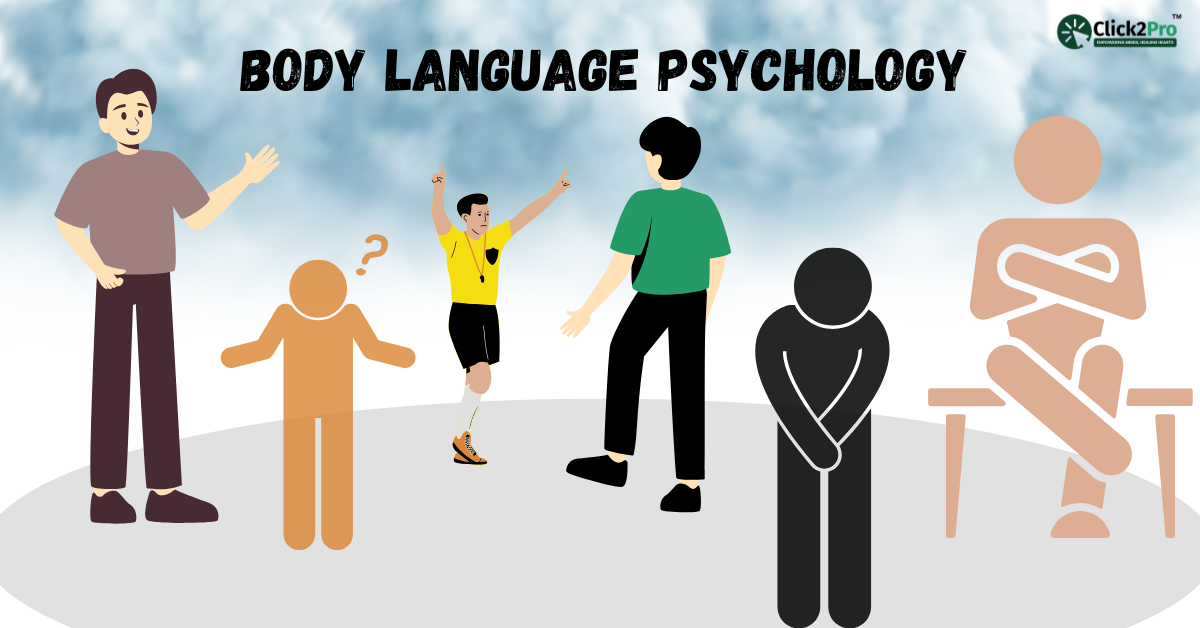
Body language encompasses facial expressions, gestures, posture, and eye contact. These elements are universal yet deeply personal, often reflecting an individual’s inner state. While someone may verbally express they’re "fine," their slouched posture or lack of eye contact might suggest otherwise. For example, a friend in R.K. Colony might seem upbeat during a conversation, but subtle cues such as fidgeting or a tense jawline could indicate stress or anxiety.
In Kishangarh, where traditional and contemporary cultures blend seamlessly, understanding these non-verbal cues can enrich communication. Whether at a community gathering in Phool Mahal or a workplace in Madanganj, the ability to interpret body language enhances interpersonal understanding and empathy.
Common Non-Verbal Cues and Their Mental Health Indicators
Facial Expressions
Facial expressions are often the most transparent indicators of emotional states:
-
A genuine smile involves the eyes (often referred to as "Duchenne smile") and signals true happiness.
-
Conversely, a forced smile may only engage the lips, indicating discomfort or an attempt to mask emotions.
-
A furrowed brow can suggest confusion, worry, or sadness.
Eye Contact
-
Consistent eye contact often reflects confidence and attentiveness.
-
Avoidance of eye contact can indicate anxiety, fear, or guilt. For instance, during a meeting in Tilak Nagar, a participant avoiding eye contact might feel overwhelmed or unprepared.
Posture
-
An upright, open posture shows engagement and confidence.
-
Slouched shoulders and leaning away suggest sadness, fatigue, or disinterest. This might be noticeable among students dealing with exam stress in Madanganj.
Gestures
-
Fidgeting, such as tapping a foot or twisting a ring, can indicate nervousness or impatience.
-
Open hand gestures, on the other hand, show honesty and a willingness to communicate.
Tone and Pace of Speech
Although not strictly "body language," the way someone speaks is a critical non-verbal cue. A slow, hesitant tone may indicate sadness, while rapid speech often points to anxiety or excitement.
Mental Health Through Body Language: A Case Study
Consider a resident of Tilak Nagar, a young professional named Anjali, who has recently withdrawn from her social circle. She avoids eye contact, her posture is consistently slouched, and she fidgets when engaged in conversations. These non-verbal cues suggest she may be battling depression.
While her verbal responses may not directly communicate her struggles, her body language provides significant insight into her mental state. Recognizing such cues allows friends or family to initiate supportive conversations or recommend counselling services like those offered at Click2Pro.
The Role of Body Language in Therapy
Therapists in Kishangarh often rely on body language to better understand their clients. During a session in Phool Mahal, a client might verbally state they’re coping well, but their clenched fists or crossed arms could reveal unresolved anger or defensiveness. By paying close attention to these cues, therapists can address underlying issues that clients may struggle to articulate.
Body language also plays a crucial role in cognitive behavioral therapy (CBT). Non-verbal cues like avoidance or agitation may signal triggers or stressors, guiding the therapy process to more effectively address the client's concerns.
How Cultural Context Influences Body Language
In Kishangarh, cultural norms shape how body language is perceived and expressed. For instance, maintaining eye contact in professional settings in Madanganj might be interpreted as confidence. However, in more traditional households in Phool Mahal, prolonged eye contact during a conversation with elders could be considered disrespectful.
Understanding these nuances is crucial. Misinterpretations can lead to unnecessary conflicts, whereas an informed perspective fosters empathy and better communication.
Practical Tips for Understanding and Using Body Language
Observe Patterns: Consistent non-verbal behaviors, rather than isolated gestures, provide better insights. For example, recurring fidgeting in a student preparing for exams in R.K. Colony could point to chronic stress.
Context Matters: Interpret body language within the context of the situation. A lack of eye contact during a heated discussion at work may stem from anxiety rather than deceit.
Self-Awareness: Your body language also communicates volumes. Ensure your posture, gestures, and expressions align with the message you wish to convey.
The Science Behind Body Language and Mental Health
Research underscores the link between body language and mental health. Studies published in psychology journals reveal that:
-
Slouched posture is associated with low self-esteem and depressive states.
-
Fidgeting and restlessness often accompany generalized anxiety disorder (GAD).
-
Prolonged eye contact can increase feelings of connection and trust, beneficial in therapy and relationships.
Incorporating these insights into daily interactions in Kishangarh—whether at community events in Madanganj or casual conversations in Tilak Nagar—can lead to more meaningful connections.
How Click2Pro Supports Mental Health in Kishangarh
Click2Pro leverages body language psychology to offer holistic mental health services. By observing non-verbal cues, their therapists in Kishangarh craft personalized approaches that address both spoken and unspoken challenges. Whether it’s helping a student manage test anxiety in R.K. Colony or supporting a professional dealing with workplace stress in Madanganj, Click2Pro ensures empathetic and effective care.
FAQs
1. What does slouched posture indicate?
Slouched posture often signals sadness, fatigue, or low confidence. It’s a common non-verbal cue seen in individuals experiencing depression.
2. Can body language help identify anxiety?
Yes, signs like fidgeting, avoiding eye contact, and tense posture often suggest anxiety.
3. How can cultural norms affect body language interpretation?
Cultural contexts, like those in Kishangarh, influence how gestures or eye contact are perceived. For example, prolonged eye contact may signify confidence in one context but disrespect in another.
4. How do therapists use body language in counselling?
Therapists observe non-verbal cues like clenched fists, tense posture, or averted gazes to better understand their clients' emotional states.
Conclusion
Body language is a universal yet personal form of communication that holds significant insights into mental health. By understanding these cues, residents of Kishangarh can build stronger, more empathetic relationships. Whether in Madanganj, Phool Mahal, or Tilak Nagar, paying attention to what’s left unsaid can create a more supportive and connected community. With resources like Click2Pro, individuals can bridge the gap between non-verbal signals and mental well-being, fostering a healthier, happier life.
Whether you're in Madanganj or Tilak Nagar, consulting an online psychologist ensures you receive expert guidance tailored to your needs.