Table of Contents
Mental health challenges like stress, anxiety, and depression are increasingly prevalent. While therapy remains important avenues for support, an often-overlooked but equally effective strategy is physical activity. Research-based evidence shows a strong link between staying active and enhancing mental well-being. Let’s explore this vital connection and uncover actionable insights for readers in Bettiah seeking to lead healthier, more balanced lives.
The Science of How Exercise Enhances Mental Health
Physical activity triggers a cascade of chemical reactions in the brain that significantly improve mood and mental clarity. For instance, exercise stimulates the release of endorphins, often referred to as “feel-good” hormones, which alleviate stress and promote a sense of well-being. Additionally, aerobic activities increase serotonin and dopamine levels, neurotransmitters associated with happiness and focus.
A study published in JAMA Psychiatry found that individuals who engaged in regular exercise were 43% less likely to develop depressive disorders compared to those who lead sedentary lifestyles. This compelling statistic underscores the profound impact that even moderate physical activity can have on mental health.
Research from the American Psychological Association reveals that regular physical activity can reduce symptoms of depression by up to 26%. Furthermore, studies indicate that exercise fosters neuroplasticity, enabling the brain to adapt and grow, which is particularly beneficial for individuals recovering from trauma or chronic stress.
In Bettiah, incorporating even simple activities like morning walks along the Gandak River or jogging in the lush surroundings of the Bettiah Raj Grounds can provide mental clarity while connecting with nature.
What Activities Work Best for Mental Health?
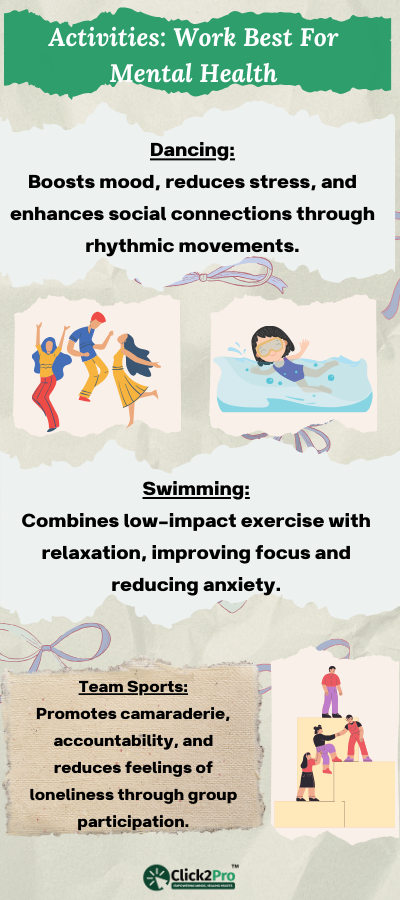
Not all exercises impact mental health in the same way. Here’s a breakdown of the most effective physical activities for mental well-being:
Aerobic Exercises
Activities like running, cycling, or swimming are excellent for reducing symptoms of anxiety and depression. These exercises elevate the heart rate, boosting oxygen supply to the brain and triggering mood-enhancing chemicals.
Strength Training
Lifting weights or resistance training not only builds physical resilience but also reduces cortisol levels, a stress hormone.
Yoga and Mind-Body Practices
Yoga combines physical movement with mindfulness, making it a powerful tool for reducing stress and improving focus. Bettiah residents can consider attending local yoga sessions or even practicing at home to experience these benefits.
Low-Intensity Activities
Simple activities like walking or gardening are accessible for all age groups and promote mental health through gentle yet consistent movement.
If you're seeking professional guidance, you can easily connect with a "therapist near me" in Bettiah who understands the local context and can provide tailored advice.
Exercise Types and Their Impact on Mental Health
|
Exercise Type |
Anxiety Reduction (%) |
Stress Reduction (%) |
Depression Reduction (%) |
|
Aerobic Exercise |
30% |
26% |
35% |
|
Strength Training |
20% |
15% |
25% |
|
Yoga |
25% |
15% |
30% |
|
Low-Intensity Walking |
15% |
10% |
25% |
Real-Life Impact: Success Stories
Consider Priya, a 28-year-old from Bettiah who struggled with anxiety after a major life transition. After consulting an online counselling platform, she was encouraged to incorporate 30 minutes of yoga into her daily routine. Within weeks, Priya reported improved sleep, reduced anxiety, and increased self-confidence. Her story reflects the power of integrating physical activity into mental health strategies.
Similarly, a local youth group in Bettiah organized weekly cycling trips, fostering not just fitness but also community bonding. Such collective activities significantly reduced feelings of loneliness and isolation among participants.
Overcoming Barriers to Staying Active
While physical activity offers immense benefits, many individuals struggle with challenges like lack of time, motivation, or resources. Here are practical ways to overcome these barriers:
- Start Small: Commit to short bursts of movement, such as a 10-minute walk during lunch breaks.
- Leverage Technology: Use fitness apps or online platforms for guided workouts, especially when stepping out isn’t feasible.
- Make It Social: Invite friends or family to join in, turning exercise into a bonding activity.
- Utilize Local Spaces: Bettiah offers several community parks and open spaces ideal for jogging, yoga, or even casual strolls.
Nature and Exercise: A Powerful Duo
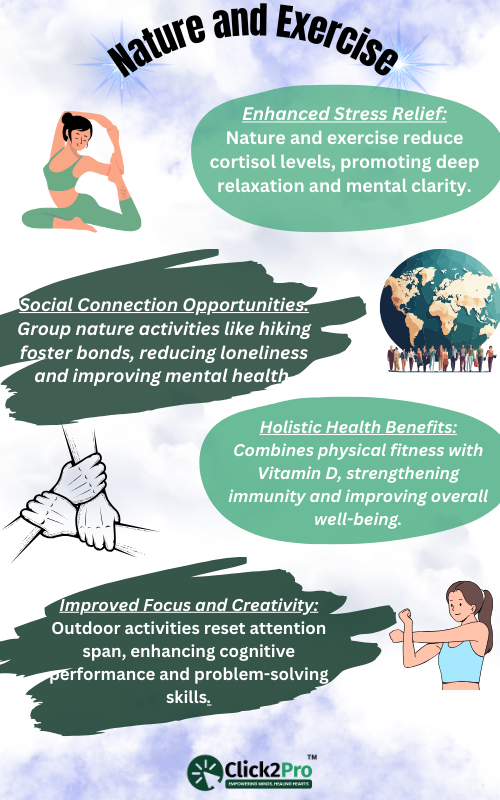
Combining physical activity with outdoor settings enhances its benefits. Research shows that “green exercise,” or exercising in natural environments, amplifies stress reduction and improves focus. Residents of Bettiah can take advantage of the scenic beauty of the city’s green spaces or the tranquility offered by nearby farmlands.
Such activities not only rejuvenate the mind but also create a sense of connection to the community and environment.
Expert Recommendations for Bettiah Residents
Experts suggest engaging in at least 150 minutes of moderate exercise weekly, divided into manageable sessions. Integrating mindfulness techniques during workouts, such as focusing on your breathing or the rhythm of your movements, can maximize mental health benefits.
For those seeking guidance, "online counselling India" platforms offer tailored advice on creating balanced exercise routines that align with mental health goals. This ensures that even individuals with busy schedules or mobility limitations can experience the transformative power of physical activity.
Resources to Include
-
Online Resources for Fitness and Mental Health:
-
National Institute of Mental Health (NIMH): Information on how exercise aids mental health.
-
Mind.org.uk: Practical guides on exercise and mental health benefits.
-
Research Articles:
-
“The Mental Health Benefits of Physical Activity: Evidence-Based Research” - APA Journals.
-
"Exercise as a Treatment for Depression and Anxiety" - Harvard Medical School Report.
Conclusion
The connection between physical activity and mental well-being is undeniable. By understanding the science, incorporating suitable activities, and leveraging local resources in Bettiah, individuals can unlock the full potential of movement as a tool for mental health. Whether it’s a morning run by the Gandak River or a guided yoga session through "online counselling India" platforms, the possibilities are endless.
Take the first step today and experience the profound impact of physical activity on your mental well-being.
FAQs
1. How does physical activity directly impact mental health?
Physical activity boosts endorphins and reduces cortisol levels, improving mood, focus, and overall mental clarity. Additionally, it enhances brain plasticity, enabling better stress management and resilience.
2. What are the best exercises for mental health?
Aerobic exercises, yoga, and even simple activities like walking are excellent for reducing anxiety, depression, and stress. Strength training also helps in building emotional resilience.
3. Can physical activity replace therapy or medication?
While exercise significantly supports mental health, it’s best viewed as a complementary approach. For severe conditions, consulting a therapist remains essential.
4. How much exercise is enough to improve mental health?
Experts recommend at least 30 minutes of moderate exercise, five times a week. Adjustments can be made based on individual fitness levels and preferences.
5. Does exercising outdoors have extra benefits?
Yes, exercising in natural settings reduces mental fatigue and fosters a sense of calm. Green spaces in Bettiah provide the perfect backdrop for such activities.