Table of Contents
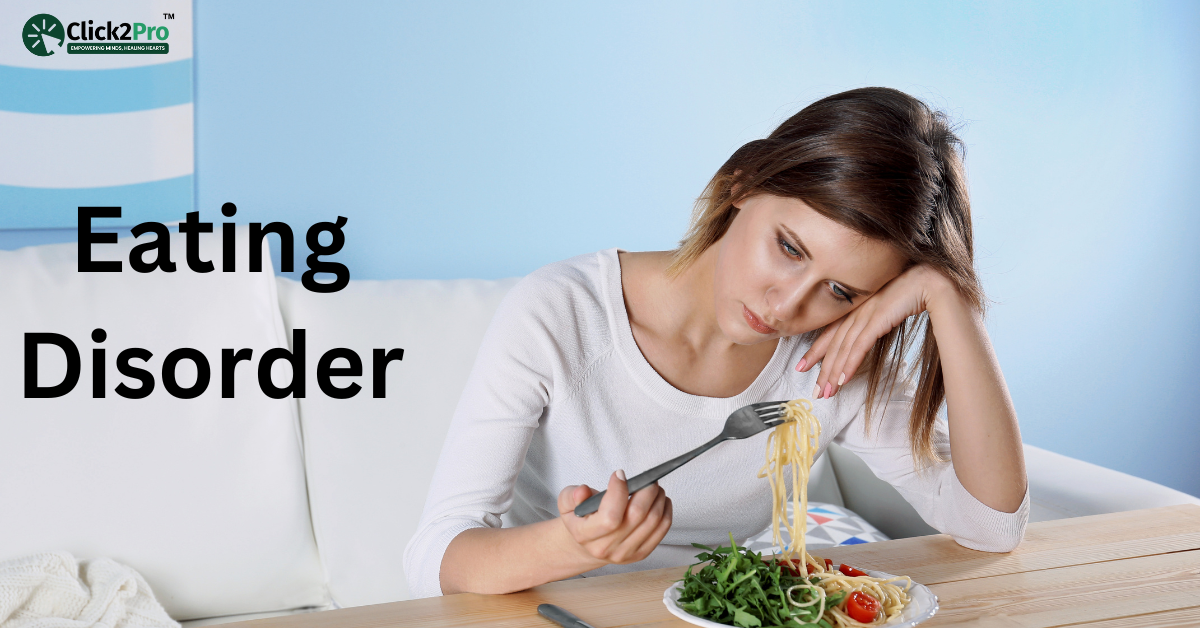
Bulimia Nervosa is a serious eating disorder that affects millions of people worldwide. Characterized by cycles of binge eating followed by compensatory behaviours such as vomiting, fasting, or excessive exercise, Bulimia Nervosa can have devastating effects on both physical and mental health. As a senior psychologist at Click2Pro, with years of experience in treating eating disorders, I aim to provide a comprehensive overview of the symptoms, causes, and treatment options for Bulimia Nervosa to help individuals and their loved ones understand and manage this condition effectively.
What is Bulimia Nervosa?
Bulimia Nervosa is an eating disorder marked by repeated episodes of binge eating followed by behaviors to prevent weight gain, such as self-induced vomiting, misuse of laxatives, fasting, or excessive exercise. These behaviors often occur in secret, accompanied by feelings of shame and guilt.
Prevalence and Statistics
According to the National Eating Disorders Association, Bulimia affects 1-2% of adolescent and young adult women. It is less common in men but still poses a significant health risk.
Symptoms of Bulimia Nervosa
Physical Symptoms
-
Frequent Episodes of Binge Eating: Consuming large amounts of food in a short period.
-
Purging Behaviors: Self-induced vomiting, misuse of laxatives or diuretics, and excessive exercise.
-
Physical Signs: Tooth decay, chronic sore throat, swollen salivary glands, and dehydration.
-
Gastrointestinal Issues: Stomach pain, constipation, and acid reflux.
Behavioural Symptoms
-
Secretive Eating: Eating in secrecy and hoarding food.
-
Preoccupation with Body Weight: Obsessive concern with body shape and weight.
-
Frequent Trips to the Bathroom: Especially after meals, often to purge.
-
Rigid Exercise Regimens: Excessive and compulsive exercise routines.
Psychological Symptoms
-
Feelings of Shame and Guilt: Intense feelings of embarrassment about eating behaviors.
-
Anxiety and Depression: Co-occurring mental health disorders.
-
Low Self-Esteem: Negative body image and self-worth tied to body weight.
Causes of Bulimia Nervosa
Biological Factors
-
Genetic Predisposition: Family history of eating disorders or other mental health issues.
-
Neurotransmitter Imbalances: Dysregulation of serotonin and other brain chemicals.
Psychological Factors
-
Trauma and Abuse: History of trauma or abuse, which can trigger disordered eating as a coping mechanism.
-
Personality Traits: Traits like perfectionism, impulsivity, and low self-esteem.
Environmental Factors
-
Cultural Pressure: Societal emphasis on thinness and ideal body image.
-
Family Dynamics: Family attitudes towards food, dieting, and body image.
-
Media Influence: Exposure to media promoting unrealistic body standards.
Diagnosis of Bulimia Nervosa
Diagnostic Criteria
According to the DSM-5, Bulimia Nervosa is diagnosed based on the frequency of binge-purge cycles, which must occur at least once a week for three months. Other criteria include a lack of control over eating during binge episodes and the use of inappropriate compensatory behaviours.
Assessment Tools
-
Clinical Interviews: Comprehensive interviews to assess eating habits, behaviours, and psychological state.
-
Self-Report Questionnaires: Tools like the Eating Disorder Examination Questionnaire (EDE-Q).
-
Physical Examinations: Assessing the physical impact of the disorder, such as electrolyte imbalances and dental health.
Treatment Options for Bulimia Nervosa
Psychotherapy
-
Cognitive Behavioral Therapy (CBT): Focuses on identifying and changing negative thought patterns and behaviors associated with Bulimia.
-
Interpersonal Therapy (IPT): Addresses interpersonal issues contributing to the eating disorder.
-
Dialectical Behavior Therapy (DBT): Helps manage emotions and reduce self-destructive behaviors.
Nutritional Counseling
-
Dietitians: Work with patients to develop healthy eating patterns and nutritional plans.
-
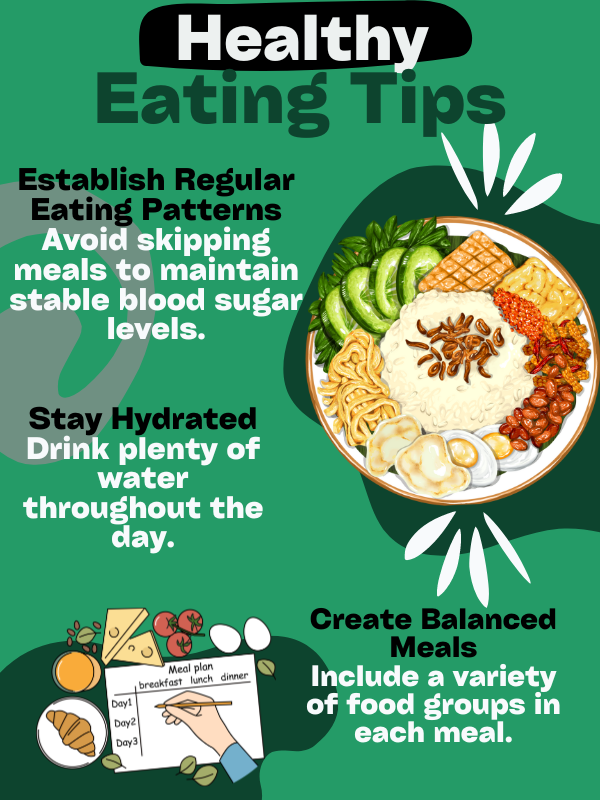
Meal Planning: Structured meal plans to prevent binge eating and ensure nutritional balance.
Support Groups and Online Communities
-
Peer Support: Provides a safe space for sharing experiences and receiving encouragement.
-
Online Resources: Forums and online support groups for additional help and community support.
Recovery and Coping Strategies
Developing a Support System
-
Family and Friends: Involvement of loved ones in the recovery process.
-
Professional Support Networks: Ongoing support from therapists, dietitians, and support groups.
Healthy Coping Mechanisms
-
Stress Management: Techniques such as mindfulness, relaxation practices, and exercise.
-
Emotional Regulation: Learning to manage emotions without resorting to disordered eating.
Long-term Strategies
-
Relapse Prevention: Ongoing therapy and support to maintain recovery and prevent relapse.
-
Healthy Lifestyle Choices: Emphasis on balanced eating, regular physical activity, and mental health care.
Personal Stories and Testimonials
Real-Life Experiences
Sharing stories from individuals who have overcome Bulimia Nervosa can provide hope and motivation for others. Here’s an example of an interaction with one of my patients:
Patient Interaction
As a senior psychologist at Click2Pro, I had the privilege of working with a young woman named Sarah, who had been struggling with Bulimia Nervosa for several years. Sarah’s journey to recovery began with her decision to seek professional help after realizing the toll the disorder was taking on her health and relationships. Through a combination of Cognitive Behavioral Therapy, nutritional counselling, and the unwavering support of her family, Sarah gradually regained control over her eating behaviors. Her story is a testament to the possibility of recovery and the importance of seeking help.
Conclusion
Understanding Bulimia Nervosa, its symptoms, causes, and treatment options is crucial for early intervention and effective management. With the right support and treatment, recovery is possible.
Encouragement to Seek Help
If you or someone you know is struggling with Bulimia Nervosa, seeking professional help is a vital step towards recovery. Remember, you are not alone, and there are resources and people ready to support you.
Call to Action
Share this information with others and leave your comments below to share your experiences. Together, we can raise awareness and help those in need.
About the Author
As a senior psychologist at Click2Pro, I have dedicated my career to helping individuals overcome eating disorders like Bulimia Nervosa. With extensive experience in Cognitive Behavioral Therapy, nutritional counseling, and holistic treatment approaches, I am committed to providing compassionate and effective care to my patients. My work is guided by the principles of empathy, expertise, and trust, ensuring that each patient receives the support they need on their journey to recovery.
FAQs
-
What does Bulimia Nervosa include?
Bulimia Nervosa includes cycles of binge eating followed by compensatory behaviours such as self-induced vomiting, excessive exercise, or misuse of laxatives to prevent weight gain. It also encompasses physical symptoms like dental erosion, gastrointestinal issues, and dehydration, as well as psychological symptoms such as feelings of shame, guilt, and anxiety.
-
What best describes Bulimia Nervosa?
Bulimia Nervosa is best described as an eating disorder characterized by recurrent episodes of binge eating followed by inappropriate compensatory behaviours to avoid weight gain. Individuals with Bulimia often have an intense preoccupation with body weight and shape, leading to a cycle of overeating and purging.
-
Can Bulimia Nervosa be prevented but treated if diagnosed early?
While Bulimia Nervosa may not always be preventable due to its complex causes, early diagnosis and treatment can significantly improve outcomes. Early intervention with therapies such as Cognitive Behavioral Therapy (CBT) and nutritional counselling can help individuals develop healthier eating habits and coping mechanisms.
-
Which of the following is a symptom of Bulimia?
A symptom of Bulimia includes frequent episodes of binge eating followed by compensatory behaviours like self-induced vomiting, excessive exercise, or misuse of laxatives. Other symptoms include preoccupation with body weight, secretive eating habits, and feelings of shame and guilt.
-
What is the meaning of Nervosa?
The term "Nervosa" in eating disorders like Bulimia Nervosa or Anorexia Nervosa refers to a psychological disorder characterized by abnormal or disturbed eating habits. "Nervosa" denotes the mental and emotional aspects of the condition.
-
What is Bulimia Nervosa best described as?
Bulimia Nervosa is best described as a severe eating disorder involving a cycle of binge eating and purging behaviours, driven by an obsession with body image and weight. This disorder can lead to serious physical and psychological health issues if not addressed.
-
Is Nervosa a disease?
"Nervosa" itself is not a disease but a term used to describe the psychological aspect of certain eating disorders, indicating that the disorder involves mental health issues related to eating behaviours. For example, Bulimia Nervosa and Anorexia Nervosa are both eating disorders that include "Nervosa" to highlight their psychological components.
-
What is the meaning of Bulimia?
The word "Bulimia" comes from the Greek words "bous" (ox) and "limos" (hunger), meaning extreme hunger. It describes the uncontrollable urge to eat large quantities of food in a short period, which is a hallmark of the eating disorder Bulimia Nervosa.