Table of Contents
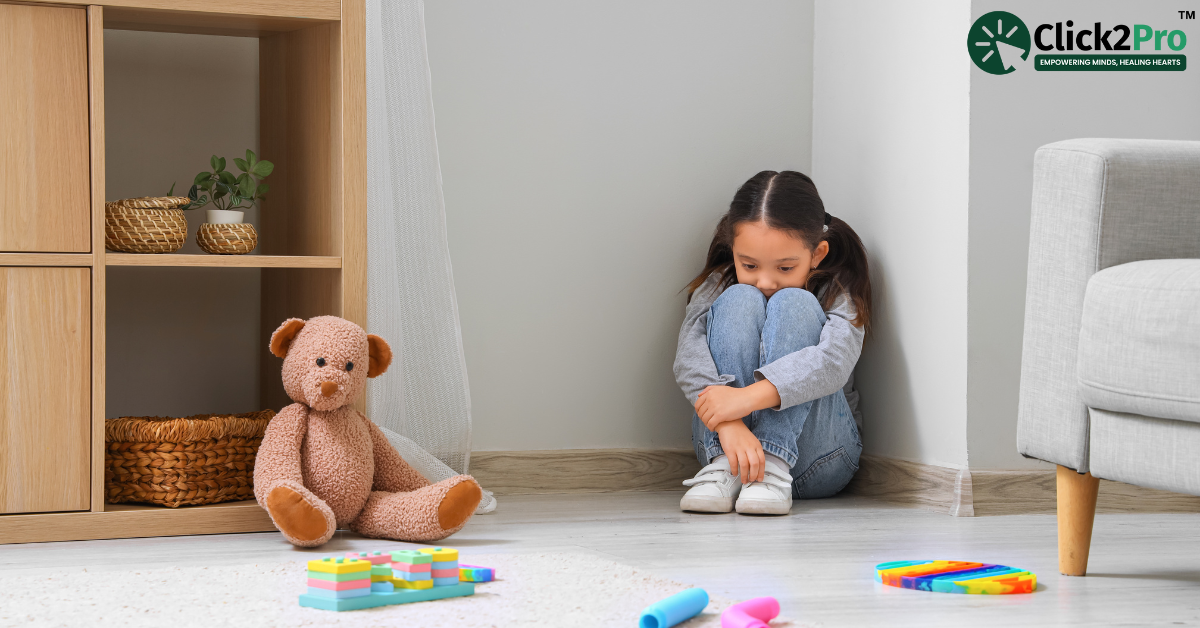
In recent years, awareness of childhood mental health has grown significantly. Mental health issues don’t only affect adults; children, too, can experience emotional and psychological challenges that disrupt their well-being. However, childhood mental health disorders are often overlooked or misunderstood due to the assumption that children will “grow out of it.” This misconception can have lifelong repercussions. It’s essential to recognize the early signs of mental health issues and seek professional help when needed.
Recognizing Early Signs of Mental Health Disorders in Children
Children may not always express their emotional or psychological struggles verbally, so recognizing changes in behavior and mood is crucial. Mental health disorders in children can manifest in various ways:
Behavioral changes:
If your child is exhibiting increased irritability, aggression, or social withdrawal, this could be a sign of distress. They may lose interest in activities they once enjoyed or struggle to maintain friendships.
Academic challenges:
A sudden drop in school performance or difficulty concentrating can indicate underlying mental health issues such as anxiety or ADHD.
Physical complaints:
Mental health problems can sometimes show up as physical symptoms, such as headaches, stomachaches, or unexplained fatigue.
Sleep disturbances:
Trouble falling asleep, frequent nightmares, or oversleeping can be associated with anxiety, depression, or other disorders.
Parents and teachers should be alert to these signs, as early intervention can make a significant difference in a child’s mental health outcomes.
Common Mental Health Disorders in Children
Various mental health disorders can affect children, each presenting unique challenges:
Anxiety disorders: Children with anxiety disorders may exhibit extreme worry, avoidance of social situations, or physical symptoms like nausea when anxious. Separation anxiety is common in younger children, while older children may develop social anxiety.
Attention Deficit Hyperactivity Disorder (ADHD): ADHD is characterized by difficulty focusing, impulsivity, and hyperactivity. These behaviors can affect academic performance and social interactions.
Depression: While it's often seen as an adult issue, depression in children is real and can be debilitating. Symptoms include persistent sadness, irritability, and a lack of interest in activities.
Autism Spectrum Disorder (ASD): Children with ASD may struggle with communication and social interactions, often displaying repetitive behaviors or difficulties adapting to change.
Oppositional Defiant Disorder (ODD): Children with ODD exhibit chronic anger, irritability, and defiance, which can cause significant issues in relationships with peers and family.
When to Seek Professional Help
Parents often wonder when to take the step of seeking professional help. If your child’s symptoms persist for weeks and affect their daily functioning, it’s a clear indication that intervention is needed. Some red flags include:
Persistent sadness or irritability: If your child seems constantly unhappy or angry and this affects their day-to-day life.
Self-harm or talk of suicide: Any mention of self-harm, even if it seems like a cry for attention, should be taken seriously.
Social withdrawal: If your child is avoiding friends or withdrawing from family activities, it could be a sign of depression or anxiety.
Aggression or destructive behavior: Unexplained outbursts of anger, frequent temper tantrums, or defiance beyond normal childhood behavior may require professional guidance.
If you're seeking personalized support for your child, finding a Counsellor in Itanagar with expertise in childhood mental health can provide vital guidance and interventions tailored to your child's specific needs.
Early intervention can prevent childhood mental health disorders from escalating into adulthood. Mental health professionals, including child psychologists and therapists, can offer tailored interventions that help children understand their feelings and develop coping strategies.
How Mental Health Professionals Can Help
Mental health professionals use a variety of approaches to help children cope with and overcome mental health challenges:
Cognitive Behavioral Therapy (CBT): A structured form of therapy that helps children identify and change negative thought patterns. It’s especially effective for anxiety and depression.
Play Therapy: Especially useful for younger children, play therapy allows them to express their feelings through play, helping therapists identify underlying issues.
Family Therapy: Involves the whole family in addressing the child’s mental health challenges, fostering a supportive environment for recovery.
Medication: In some cases, medication may be prescribed to manage symptoms of disorders like ADHD or severe anxiety. It’s essential to monitor the child closely and ensure that the treatment plan is holistic, combining therapy and medication if needed.
In cases where local mental health resources are limited, counselling online can offer a convenient and accessible solution, allowing children and their families to receive professional help from the comfort of their homes.
Supporting Your Child’s Mental Health at Home
Parents play a vital role in supporting their child’s mental health. Here are some strategies to help:
Open communication: Encourage your child to talk about their feelings without fear of judgment. Create an environment where they feel safe discussing their worries.
Routine and structure: Children thrive on routine. Having a consistent schedule can reduce anxiety and help them feel more in control.
Positive reinforcement: Acknowledge and reward efforts, not just achievements. Praise your child for trying, even if the outcome isn’t perfect.
Seek support: Don’t hesitate to reach out to professionals if you’re concerned about your child. Early intervention can have a lasting positive impact on their life
The Importance of Reducing Stigma
One of the biggest barriers to addressing childhood mental health issues is the stigma surrounding it. Many parents hesitate to seek help because of the fear of judgment or being labeled as bad parents. However, recognizing that mental health is just as important as physical health can change the narrative. When parents, teachers, and communities talk openly about mental health, it helps children feel accepted and understood. Reducing stigma encourages families to seek help earlier, leading to better outcomes for children.
Conclusion
Childhood mental health disorders are more common than many realize, but with early detection and the right support, children can thrive despite these challenges. It’s important for parents to recognize the early signs of mental health issues, whether behavioral, emotional, or physical, and seek professional help when necessary. Mental health professionals, including psychologists and therapists, offer invaluable guidance and tailored treatment approaches that can make a lasting difference in a child’s life. In cities like Itanagar, where resources may be growing, fostering awareness and reducing stigma around mental health will lead to better outcomes for children. By being proactive, supportive, and informed, we can ensure that children receive the care they need to live happier, healthier lives.
About the Author
Hasanmukhi M is a Senior Psychologist at Click2Pro with extensive experience in child psychology and mental health. Over the years, Hasanmukhi has worked with children, adolescents, and their families to provide tailored interventions and support systems that promote mental well-being. As a dedicated mental health advocate, she focuses on spreading awareness about childhood mental health disorders and the importance of early intervention. Her approach is rooted in empathy, understanding, and evidence-based practices. Hasanmukhi’s work aims to destigmatize mental health discussions and encourage parents to seek help for their children when needed.
FAQs
Q1: How do you know if your child needs mental health help?
If your child displays persistent signs of distress such as anxiety, sadness, or behavioral changes for more than a few weeks, it may be time to consult a professional. Pay attention to their academic performance, relationships, and physical symptoms like headaches or stomach aches.
Q2: What are the most common childhood mental health disorders?
Common childhood mental health disorders include ADHD, anxiety disorders, depression, and autism spectrum disorder. Each of these affects children differently, impacting their behavior, emotions, and social interactions.
Q3: At what age can mental health issues start in children?
Mental health issues can manifest at any age, but signs of conditions like ADHD, anxiety, or autism may begin to show in early childhood, often as young as two or three years old.
Q4: Can childhood mental health disorders be cured?
While mental health disorders may not always be "cured," they can often be managed effectively with the right combination of therapy, support, and, if needed, medication.
Q5: What role do parents play in managing their child’s mental health?
Parents can create a supportive environment by fostering open communication, maintaining routines, and working closely with mental health professionals to implement treatment plans.