
Table of Contents
Introduction: Autoimmune fatigue can feel overwhelming. It’s more than just tiredness—it's a pervasive, chronic exhaustion that affects every aspect of daily life. Whether you are managing autoimmune conditions like lupus, rheumatoid arthritis, or Hashimoto’s disease, the fatigue that accompanies these illnesses can be debilitating. Understanding how to cope with autoimmune fatigue is crucial for enhancing your quality of life and maintaining energy levels. In this article, we explore practical tips for managing autoimmune fatigue, offering both research-backed strategies and actionable insights to help you regain control over your energy.
Autoimmune Fatigue and Its Impact
Autoimmune fatigue is different from regular tiredness. It is often unrelenting and doesn’t always improve with rest, making it a significant challenge for those living with autoimmune diseases.
Causes of Autoimmune Fatigue?
Autoimmune diseases occur when the immune system mistakenly attacks healthy cells, leading to chronic inflammation and fatigue. Here are some factors that contribute to autoimmune fatigue:
-
Chronic inflammation: Ongoing inflammation in the body drains energy.
-
Immune response overload: A constantly active immune system demands more energy, leaving the body fatigued..
-
Poor sleep quality: Pain, discomfort, or insomnia related to autoimmune conditions can interfere with restorative sleep.
Conditions Linked to Autoimmune Fatigue
- Lupus
- Rheumatoid arthritis
- Multiple sclerosis
- Hashimoto’s thyroiditis
- Sjögren's syndrome
Autoimmune fatigue isn’t just physical. It also impacts mental clarity, leading to brain fog and difficulty concentrating. Understanding the root causes is the first step toward managing this symptom effectively.
Practical Tips for Managing Autoimmune Fatigue
Living with autoimmune fatigue requires a multi-faceted approach to ensure your energy is preserved and your quality of life remains high. Below are practical strategies to help you cope with this chronic exhaustion.
Prioritize Rest and Recovery
Rest is non-negotiable when living with autoimmune fatigue, but how you rest matters.
-
Establish a sleep routine: Go to bed and wake up at the same time every day to support your body's natural circadian rhythm.
-
Create a sleep-friendly environment: Make your bedroom a quiet, dark, and comfortable space to promote quality sleep.
-
Power naps: Short naps of 10-20 minutes during the day can help recharge your energy without disrupting your nighttime sleep.
-
Pacing yourself: Practice energy conservation by pacing your daily activities and avoiding overexertion.
Nutrition for Sustained Energy
What you eat directly impacts how you feel, especially if you’re dealing with autoimmune fatigue.
-
Anti-inflammatory diet: Incorporate foods that reduce inflammation, such as fatty fish (rich in omega-3s), leafy greens, and berries.
-
Stay hydrated: Dehydration can exacerbate fatigue, so make sure to drink plenty of water throughout the day.
-
Avoid energy-sapping foods: Sugary snacks and processed foods can cause energy crashes and worsen fatigue. Opt for complex carbohydrates and lean proteins instead.
-
Consider supplements: Talk to your doctor about supplements like vitamin D, magnesium, or B12, which can help manage fatigue in some cases.
Gentle Exercise to Boost Energy
While exercise might be the last thing on your mind, gentle physical activity can help combat autoimmune fatigue in the long run.
-
Low-impact exercises: Try activities like yoga, tai chi, swimming, or walking, which can help increase your stamina without causing flare-ups.
-
Gradually increase intensity: Start slow, and as your body adjusts, you can gradually increase the duration or intensity of your exercise routine.
-
Stretch regularly: Simple stretches can ease muscle stiffness and improve circulation, helping to reduce fatigue symptoms.
Manage Stress for Better Energy Levels
Stress is a significant trigger for autoimmune flare-ups, including fatigue. Finding ways to manage stress effectively is key.
-
Mindfulness and meditation: Incorporating daily meditation or mindfulness practices can help reduce stress and promote relaxation.
-
Breathing exercises: Practicing deep breathing techniques can help regulate your nervous system and reduce fatigue.
-
Relaxation techniques: Aromatherapy, journaling, and listening to calming music are other ways to manage stress levels.
Time Management and Routine
Having a daily routine is essential for managing autoimmune fatigue. Creating a structured day helps you avoid overexertion and burnout.
-
Energy budgeting: Prioritize your activities based on their energy requirements, focusing on high-energy tasks when you feel most alert.
-
Set realistic goals: Break tasks down into smaller, more manageable steps. This reduces the pressure and helps you accomplish things without overexerting yourself.
-
Plan rest periods: Incorporate breaks between tasks to prevent burnout and allow your body to recharge.
Fatigue Relief: Natural Remedies
If you prefer a natural approach to managing autoimmune fatigue, several remedies can help improve energy levels and combat chronic tiredness.
Herbal Remedies
Some herbs are known for their fatigue-relieving properties.
-
Ginseng: Known for boosting energy and reducing fatigue.
-
Ashwagandha: Helps reduce stress and fatigue while improving energy levels.
-
Rhodiola: This adaptogen can help your body better manage physical and emotional stress, reducing fatigue.
Aromatherapy
Essential oils like peppermint, eucalyptus, and lavender are known to boost energy and promote relaxation. Try diffusing them in your home or applying them to your skin (diluted) for a refreshing effect.
Acupuncture
Acupuncture has been shown to relieve fatigue by improving circulation and reducing inflammation. Many individuals with autoimmune diseases report feeling more energized after treatment.
When to Seek Professional Help
Managing autoimmune fatigue on your own can be overwhelming, especially when symptoms persist despite lifestyle changes. Knowing when to seek professional help is crucial.
-
Consult your doctor: If your fatigue is worsening or you’re unable to manage daily activities, consult a healthcare provider to discuss treatment options.
-
Online counselling in India: For those who prefer virtual care, online counselling and online therapy in India can provide support for managing the emotional toll of autoimmune fatigue.
Coping with the Emotional Toll of Autoimmune Fatigue
Living with chronic fatigue can affect your mental health. Feelings of frustration, anxiety, and depression are common, but support is available.
-
Cognitive-behavioral therapy (CBT): CBT is effective for managing the mental strain that comes with chronic illness. It can help you change negative thought patterns and develop coping strategies.
-
Support groups: Joining a support group, whether in person or online, can help you connect with others who understand your experience and provide emotional support.
-
Online therapy in India: Virtual therapy sessions can be a convenient way to access mental health support without leaving your home.
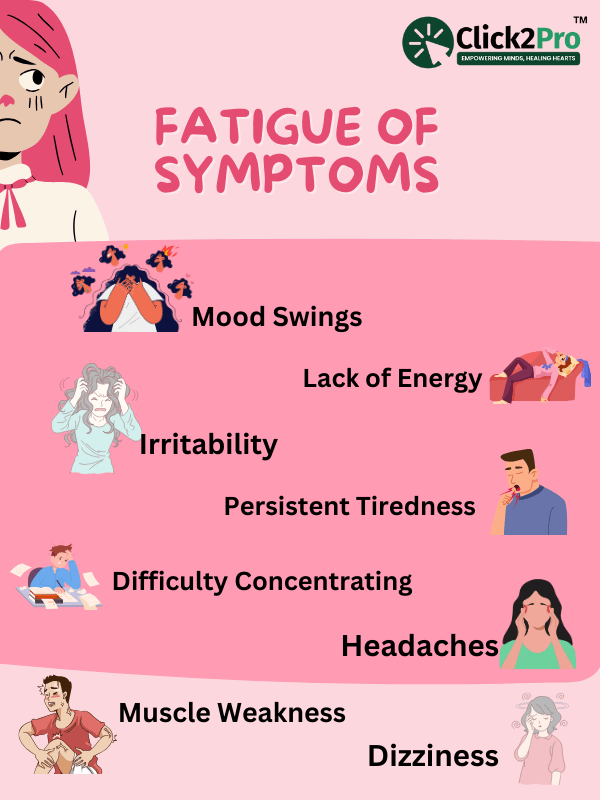
Fatigue Symptoms: Recognizing the Signs
Understanding the symptoms of autoimmune fatigue can help you manage it more effectively.
-
Physical signs: Persistent exhaustion, muscle weakness, joint pain, and an inability to recover from rest.
-
Mental signs: Difficulty concentrating, memory problems, and ‘brain fog.’
-
Emotional symptoms: Feeling irritable, anxious, or overwhelmed.
If you notice these symptoms regularly, it’s time to take action and implement fatigue management strategies.
Conclusion
Autoimmune fatigue is a challenging symptom of chronic illness, but it doesn’t have to control your life. By prioritizing rest, following a balanced diet, engaging in gentle exercise, and managing stress, you can find relief and reclaim your energy. Whether you're using natural fatigue remedies or seeking professional help, the key is to listen to your body and make adjustments as needed.
About the Author
Poornima Tripathi is a highly respected Senior Psychologist at Click2Pro, with years of experience in helping individuals manage chronic conditions and mental health challenges. Specializing in fatigue management, autoimmune diseases, and emotional well-being, she is deeply committed to providing actionable, research-based advice that empowers individuals to improve their quality of life. Poornima's compassionate approach blends scientific rigor with a deep understanding of the human experience, making her an authoritative voice in the field of psychology. Through her writing and counselling, she strives to make complex health issues accessible and manageable for her readers and clients.
FAQs
-
Do Autoimmune Conditions Cause Fatigue?
Yes, autoimmune conditions often cause chronic fatigue as the immune system becomes overactive, attacking healthy cells and tissues. This leads to inflammation, which drains the body’s energy reserves. Autoimmune diseases like lupus, rheumatoid arthritis, and multiple sclerosis are known to cause persistent, debilitating fatigue that doesn’t go away with rest.
-
How to Get Rid of Autoimmune Fatigue?
Managing autoimmune fatigue involves a combination of lifestyle adjustments and treatments. Prioritize rest by following a regular sleep schedule, incorporate an anti-inflammatory diet, engage in gentle exercise like yoga, and practice stress management techniques like meditation. Consulting a doctor for personalized treatments, including supplements, can also help manage fatigue.
-
How to Fix the Autoimmune System?
There’s no cure for autoimmune diseases, but you can manage symptoms by reducing inflammation and supporting immune health. Focus on a nutrient-rich diet, get regular exercise, reduce stress, and sleep well.Prescribed by a doctor, such as immunosuppressants or biologics, can help regulate the immune system. Consulting a healthcare professional for a tailored plan is essential.
-
Can Fasting Heal Autoimmune?
Intermittent fasting or fasting-mimicking diets may reduce inflammation and support immune system balance. Some studies suggest that fasting can promote cellular repair and reset immune responses, but it’s important to consult a doctor before trying fasting, especially if you have an autoimmune condition. Fasting should be done under professional supervision to avoid exacerbating symptoms.
-
What Are the Top 5 Worst Autoimmune Diseases?
The most severe autoimmune diseases include:
- Lupus – Can affect multiple organs, including kidneys, heart, and lungs.
- Multiple Sclerosis (MS) – Impacts the central nervous system, causing nerve damage.
- Rheumatoid Arthritis (RA) – Leads to chronic joint inflammation and deformities.
- Type 1 Diabetes – Destroys insulin-producing cells in the pancreas, leading to lifelong insulin dependency.
- Crohn’s Disease – Causes severe inflammation of the digestive tract, leading to malnutrition and complications.
-
What Are 5 Common Symptoms of an Autoimmune Disorder?
Common symptoms of autoimmune disorders include:
- Chronic fatigue – Unrelenting tiredness, even after rest.
- Joint pain and swelling – Common in diseases like rheumatoid arthritis.
- Skin issues – Rashes, redness, or swelling, often seen in lupus.
- Digestive problems – Bloating, diarrhea, or stomach pain, as in Crohn’s disease.
- Recurring fevers – Unexplained fevers due to immune system activation.
-
How Can I Reverse Autoimmune Disease Naturally?
managed or reduced naturally. Focus on an anti-inflammatory diet, stress reduction, adequate sleep, and gentle exercise. Supplements like vitamin D and omega-3s may help reduce inflammation. It’s essential to work with a healthcare professional to create a natural management plan tailored to your condition.
-
What Drink Is Good for Autoimmune Disease?
Anti-inflammatory drinks such as green tea, turmeric tea, or bone broth can be beneficial for autoimmune diseases. These drinks contain antioxidants and compounds that may reduce inflammation and support immune function. Staying hydrated with plenty of water is also important for managing autoimmune symptoms.
-
Has Anyone Cured Their Autoimmune Disease?
While there is no cure for autoimmune diseases, many people successfully manage their symptoms through lifestyle changes, and natural remedies. Remission is possible for some, meaning symptoms are minimal or absent, but ongoing management is usually required to keep the disease under control.