Table of Contents
In recent years, online gaming has become a dominant form of entertainment among teenagers worldwide. With the advent of highly engaging and immersive games, it’s easy for teens to get caught up in this virtual world. While gaming in moderation can offer cognitive and social benefits, excessive online gaming can negatively impact a teenager’s mental well-being. In this article, we’ll explore how excessive gaming affects teens' mental health, social life, and overall cognitive function, while providing strategies for healthier habits.
The Psychological Impact of Gaming Addiction
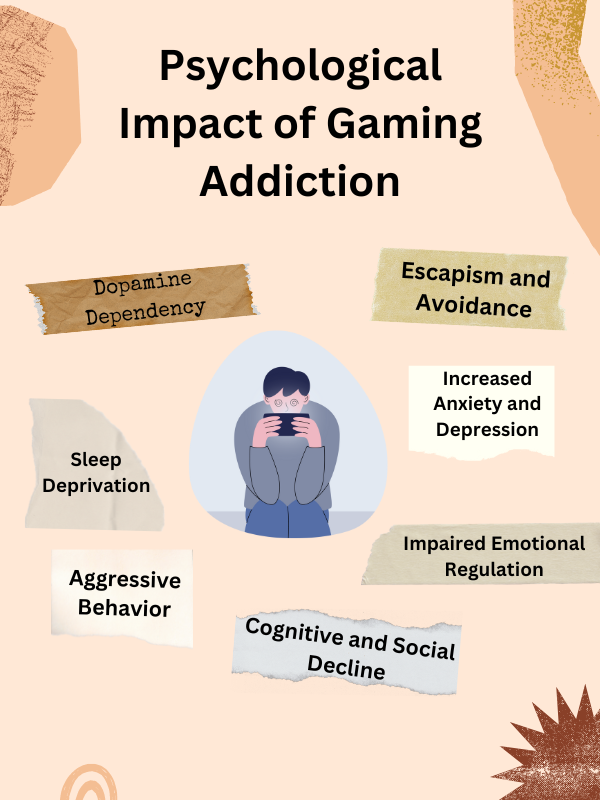
Excessive online gaming can lead to what experts describe as internet gaming disorder (IGD), a condition recognized for its ability to affect one’s mental health severely. The allure of gaming often lies in its ability to provide instant gratification through rewards, but this can fuel an addiction. A study from the American Academy of Pediatrics found that adolescents who spent more than 45 minutes daily on games were more likely to experience psychological distress, anxiety, and irritability when prevented from playing
Teens hooked on online gaming also tend to use it as a form of escapism. While it may seem like a harmless distraction, gaming allows them to avoid dealing with real-life challenges like academic pressure or social interactions. As they invest more time in the game, their ability to cope with real-life stressors diminishes, ultimately exacerbating issues such as anxiety and depression.
How Gaming Affects Cognitive Functions
The immersive nature of online gaming can lead to cognitive overload. While gaming improves hand-eye coordination and problem-solving skills, excessive exposure diminishes attention span. Games designed to keep players engaged for long hours reward impulsive decisions rather than reflective thinking, which weakens cognitive flexibility and the ability to focus on real-world tasks
As teenagers continue to prioritize gaming over schoolwork, they may see a decline in academic performance. Studies show that teens who excessively game spend 30% less time reading and 34% less time doing homework, affecting their educational engagement and success
Social Isolation and Emotional Well-being
One of the more troubling aspects of excessive gaming is its effect on social interactions. Online multiplayer games may foster virtual connections, but these interactions often replace face-to-face socialization. This virtual interaction can result in social isolation, where teens withdraw from real-life friendships and family connections. Over time, this can lead to emotional detachment, making it harder for teens to develop deep emotional bonds or communicate effectively in person
Moreover, aggression is often linked to gaming, particularly in those playing violent video games. While not all gamers experience this, those exposed to violent content may show signs of increased aggression or emotional dysregulation, struggling to manage their emotions effectively in real-world scenarios
Sleep Deprivation and Its Role in Mental Health
Gaming late into the night, known as "sleep procrastination," has become a common problem among teens. The blue light emitted from screens, combined with the stimulation from gaming, suppresses melatonin production, making it difficult to sleep. Over time, this results in sleep deprivation, which worsens mood disorders like anxiety and depression
Teens who game excessively may experience a negative feedback loop, where lack of sleep leads to poor emotional regulation, which further drives the desire to game for comfort. This cycle can exacerbate both physical and mental health problems
How Parents Can Help Teens Develop Healthy Gaming Habits
Understanding the potential risks of gaming doesn’t mean parents should ban games altogether. Instead, encouraging a balanced approach can help teens enjoy gaming while minimizing negative impacts. Here are a few strategies:
-
Set Boundaries: Limiting gaming time to 1–2 hours on school days and a bit more on weekends helps maintain balance
-
Encourage Other Hobbies: Encourage your teen to pursue outdoor activities, sports, or creative hobbies to provide them with alternative sources of enjoyment.
-
Open Communication: Talk to your teens about their gaming habits and ensure they understand the potential risks of overindulgence. Encouraging social gaming with friends in person can also reduce feelings of isolation
-
If you notice signs of gaming addiction in your teen, consider exploring the best online counselling options. These services provide immediate and flexible support for teens dealing with anxiety, stress, and other mental health issues caused by excessive gaming.
Seeking Professional Help
If excessive gaming leads to severe emotional or psychological distress, it might be time to seek professional help. Cognitive Behavioral Therapy (CBT) is particularly effective for teens struggling with gaming addiction. Therapists help identify the root cause of their gaming dependency—whether it's escapism from real-life problems or emotional regulation issues—and guide them toward healthier coping mechanisms
Conclusion
Excessive online gaming among teenagers is a growing concern that can severely affect their mental well-being, leading to issues like anxiety, depression, emotional instability, and social isolation. While gaming in moderation offers benefits like improved cognitive skills and social engagement, when taken to extremes, it can disrupt crucial areas of life such as academic performance, sleep, and real-life relationships. By understanding the psychological, cognitive, and social impacts of excessive gaming, parents and caregivers can foster healthier habits in teenagers. Encouraging balance, open communication, and alternative activities are essential strategies for managing gaming behavior.
In cases where gaming addiction is significantly affecting a teen’s mental health, seeking professional help such as therapy can be highly beneficial. Cognitive Behavioral Therapy (CBT) and other forms of counselling provide structured approaches to help teens develop healthier coping mechanisms.
Ultimately, the goal is not to demonize gaming but to ensure that it becomes a part of a balanced lifestyle, where teens can enjoy its benefits without compromising their mental well-being.
About the Author
Sneha Kanavaje is a Senior Psychologist at Click2Pro, specializing in adolescent mental health, behavioral therapy, and cognitive development. With a rich background in helping teens navigate issues like gaming addiction, anxiety, and social isolation, Sneha is known for her personalized approach to therapy. She integrates both evidence-based practices like Cognitive Behavioral Therapy (CBT) and a deep understanding of the digital landscape that modern teenagers face. Her extensive experience working with youth makes her insights on mental health and digital behavior valuable for both parents and teens.
At Click2Pro, Sneha is dedicated to helping teenagers achieve a balanced lifestyle by promoting healthy gaming habits and addressing mental health challenges that arise from excessive online engagement. Through her work, she has empowered countless families with practical strategies to manage gaming addiction, ensuring that teens maintain their emotional and social well-being in the digital age.
FAQs
1. How does excessive gaming affect a teenager’s mental health?
Excessive gaming can lead to increased anxiety, depression, and emotional dysregulation. Teens may use games to escape real-life problems, which diminishes their coping skills over time, contributing to feelings of loneliness and anxiety
2. Can gaming addiction cause sleep problems?
Yes, gaming late into the night can disrupt sleep patterns due to blue light exposure and prolonged stimulation, leading to sleep deprivation. This worsens mood disorders like depression and anxiety
3. What are the signs of gaming addiction in teenagers?
Signs include gaming interfering with daily responsibilities, neglecting personal relationships, irritability when not gaming, and a decline in academic performance. Teens may also show symptoms of isolation and aggressive behavior
4. How can parents help teenagers with excessive gaming habits?
Parents can help by setting time limits on gaming, encouraging other hobbies, and fostering open communication about the risks of excessive gaming. Encouraging social gaming with friends can also reduce feelings of isolation
5. Can gaming be beneficial for teenagers?
Yes, in moderation, gaming can improve cognitive skills such as problem-solving and hand-eye coordination. It can also foster social connections through online multiplayer games.