Table of Contents
- How Gambling Addiction Alters Family Roles and Responsibilities
- Emotional and Psychological Consequences for Family Members
- Social Stigma and Isolation: The Hidden Cost of Gambling Addiction
- Behavioral Shifts in Family Dynamics: Resentment and Enabling
- Psychological Impact on Children and Long-term Effects
- Coping and Recovery: Steps Towards Healing
- FAQs
- Conclusion
- About the Author
Gambling addiction doesn’t just affect the individual involved; its consequences ripple through the entire family, causing lasting damage to relationships, finances, and emotional well-being. Families of gambling addicts face a unique set of challenges as they grapple with the emotional, financial, and psychological toll that addiction brings. From distrust and broken relationships to financial ruin, the impact of gambling on family dynamics is profound.
As gambling addiction grows, many families are seeking accessible ways to address their concerns. Opting for an online psychologist consultation in India allows individuals and families to receive support without disrupting their daily routines.
How Gambling Addiction Alters Family Roles and Responsibilities
When gambling takes hold of a family member, it disrupts the balance of responsibilities within the home. Spouses, parents, or children may find themselves compensating for the addicted individual’s neglect of household or financial obligations. For instance, the partner of a gambling addict might need to shoulder all financial responsibilities or make difficult choices regarding family expenses, creating resentment and emotional fatigue.
According to research, gambling addiction often leads to role reversals where one partner must act as the primary caretaker, breadwinner, and sometimes even the “parent” to the gambler. This dynamic can be exhausting, as it breeds resentment and overwhelms the non-gambling family members who are forced into positions they may not be prepared for. Children are especially vulnerable, often perceiving the shift in household stability, leading to feelings of neglect and confusion.
Emotional and Psychological Consequences for Family Members
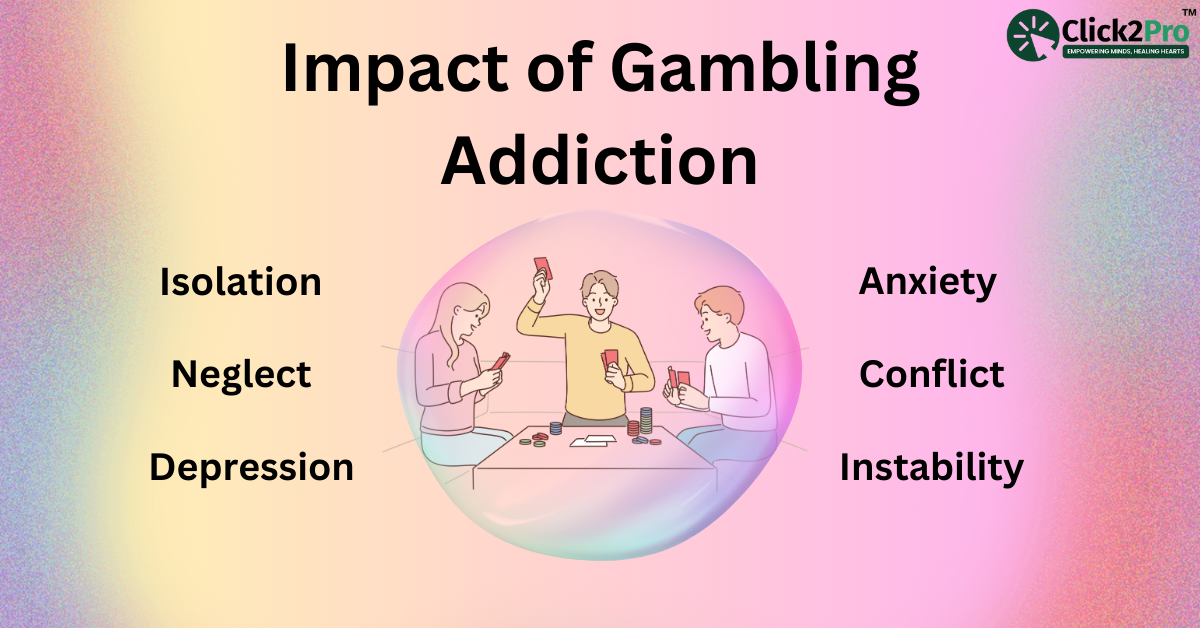
The emotional toll of gambling addiction on families is significant. Partners and children of gamblers are often plagued by constant stress, anxiety, and depression, stemming from the erratic behavior of the gambling individual. Financial deceit, secrecy, and broken promises lead to a loss of trust and create a volatile home environment that impacts everyone’s mental health. Studies show that children exposed to gambling issues in their family often struggle with insecurity and emotional distress, potentially carrying these impacts into adulthood.
The addicted family member's mood swings, irritability, and withdrawal exacerbate these issues, often leading to isolation. The emotional distance caused by addiction makes communication difficult, leading to frequent conflicts and an overall breakdown in family bonds. This emotional fallout can push family members into a cycle of hopelessness, as they feel isolated from the very support systems they need to overcome the crisis.
Financial Consequences: From Debt to Asset Loss
Financial instability is one of the most immediate and devastating impacts of gambling addiction on families. Repeated losses and continuous borrowing place an unbearable strain on family finances. In many cases, families of gambling addicts find themselves dealing with unpaid bills, mounting debts, and, in extreme cases, loss of assets like homes or cars. According to data, gambling addiction often leads to significant credit issues, as bills are left unpaid, and savings are exhausted to cover debts related to gambling.
In severe cases, the addicted individual might resort to taking out loans, maxing out credit cards, or even selling family assets to continue gambling. This financial instability creates a cycle of stress and anxiety, affecting the family's future and financial health. Financial obligations left unmet can also legally implicate the family, adding to the overall burden and affecting each family member’s quality of life.
Social Stigma and Isolation: The Hidden Cost of Gambling Addiction
Families dealing with gambling addiction frequently withdraw from social interactions to avoid the stigma associated with the issue. This isolation can be both self-imposed, due to feelings of shame, or from friends and relatives who choose to distance themselves. Family members, particularly partners, may feel too embarrassed to discuss their struggles, leading to a lack of social support and increased loneliness.
Social isolation not only deprives families of the support they might otherwise receive but also deepens the secrecy surrounding the addiction, allowing it to grow unchecked. Children may feel ostracized and lose out on opportunities for social development, as family members avoid outings or gatherings to hide their financial and emotional struggles.
Behavioral Shifts in Family Dynamics: Resentment and Enabling
As family members adapt to the challenges posed by gambling addiction, they may develop enabling behaviors or become resentful. Enabling can take various forms, such as covering debts, making excuses for the gambler’s behavior, or lending money for daily expenses. Although well-intentioned, these actions often enable the addiction, allowing it to continue unchecked and deepening the strain on the family.
On the other hand, resentment builds over time, particularly if the non-gambling family members feel they are bearing an unfair share of responsibilities. This resentment often leads to confrontations, breakdowns in communication, and sometimes even aggression, creating a hostile home environment that is harmful to all involved, especially children.
Psychological Impact on Children and Long-term Effects
The psychological impact of gambling addiction on children is profound. Children who grow up in households affected by gambling addiction often experience neglect, emotional turmoil, and insecurity, which can affect their mental health well into adulthood. They may perceive gambling as a normal behavior, leading to a higher likelihood of developing addiction issues themselves later in life. Studies have shown that children exposed to gambling in the household are more likely to display behavioral problems, experience academic challenges, and suffer from low self-esteem.
In addition, children of gambling addicts may struggle with forming stable relationships or trusting others due to the instability they witnessed at home. The trauma experienced in such environments can lead to anxiety, depression, and a host of emotional challenges, impacting their future relationships and overall mental well-being.
Coping and Recovery: Steps Towards Healing
While the journey to recovery is challenging, families can take several steps to begin healing. Seeking professional help, such as family counselling or support groups, can provide a safe space for family members to discuss their challenges and find solutions. Organizations like Gam-Anon offer valuable resources and support for families dealing with gambling addiction, providing coping strategies and emotional support.
Setting clear financial boundaries and limiting access to joint accounts can help safeguard family finances while the addicted individual seeks help. Education about gambling addiction can also empower families, helping them understand the complexities of addiction and learn how to navigate the challenges. By setting boundaries, seeking support, and prioritizing self-care, family members can rebuild their relationships and create a supportive environment for recovery.
FAQs
-
How does gambling addiction affect family relationships?
Gambling addiction strains family relationships by creating distrust, financial stress, and emotional distance. Family members may feel neglected, leading to a breakdown in trust and communication.
-
What financial problems do families of gambling addicts face?
Families often deal with debts, unpaid bills, and financial instability. This can lead to loss of savings, poor credit scores, and, in extreme cases, even the loss of essential assets.
-
How can children be affected by a parent’s gambling addiction?
Children may suffer from neglect and emotional insecurity, leading to behavioral issues and difficulty in school. Exposure to gambling addiction can also impact their mental health and future relationships.
-
Is there help available for families of gambling addicts?
Yes, resources like Gam-Anon and family counselling are available. These services offer support, education, and coping strategies to help families navigate the challenges of gambling addiction.
-
What are some strategies for coping with a loved one’s gambling addiction?
Strategies include setting financial boundaries, seeking professional counselling, and joining support groups. These steps can help family members manage stress and support the gambler’s recovery.
Conclusion
gambling addiction casts a long shadow over family dynamics, altering relationships, draining finances, and impacting mental health. By recognizing these challenges and seeking support, families can begin to rebuild and find a path toward healing and stability.
About the Author
Anuradha Singh is a Senior Psychologist at Click2Pro, specializing in family dynamics and addiction support. With years of experience in mental health, Anuradha provides evidence-based insights and compassionate advice on complex issues like gambling addiction, stress, and relationship health. Her work focuses on making psychological guidance accessible and practical, especially for Indian readers, by combining research with relatable, actionable advice.