Table of Contents
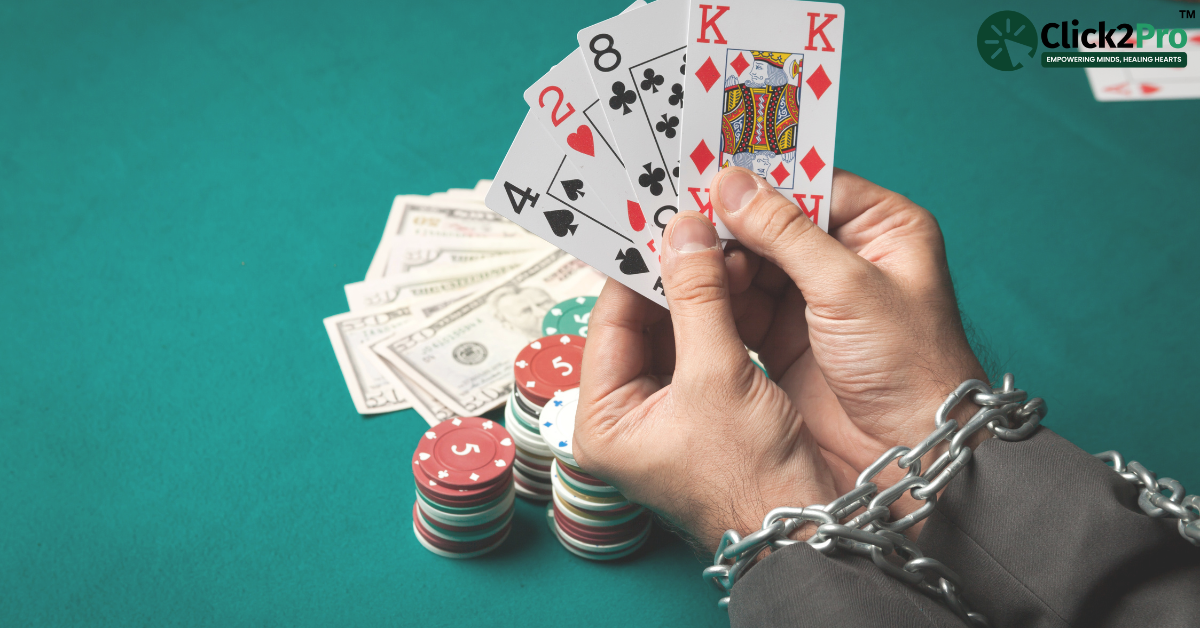
Gambling addiction isn’t just a pattern of compulsive behavior; it’s driven by deep-rooted psychological triggers that can make stopping incredibly challenging. For many, gambling becomes a form of escapism, a way to seek thrills, or even a strategy to self-medicate emotional pain. Understanding these triggers is the first step toward recovery. This guide will delve into the core psychological drivers of gambling addiction, how to recognize the signs, and the most effective ways to overcome it.
Key Psychological Triggers Behind Gambling Addiction
Thrill-Seeking and the Dopamine Rush
Gambling activates the brain's reward system by releasing dopamine, a neurotransmitter associated with pleasure and excitement. For thrill-seekers, this rush can be as addictive as any drug. The brain begins to crave the "high" of winning, which creates a cycle where larger risks are taken to achieve the same thrill, reinforcing the addiction over time.
Escapism and Emotional Avoidance
For individuals dealing with anxiety, depression, or even everyday stress, gambling offers an escape from reality. The thrill of gambling temporarily blocks out painful emotions, giving a sense of relief. This often leads to a reliance on gambling as a coping mechanism, which makes addressing underlying issues essential for recovery.
The Illusion of Control
Many individuals believe they can control gambling outcomes, especially in games like poker or sports betting, where skill and chance intermingle. This illusion of control fuels compulsive gambling, as people continue playing under the false belief that they can “win back” their losses.
Social Pressure and Normalization
Social influences play a significant role in gambling addiction. In environments where gambling is a common recreational activity, individuals are more likely to perceive it as normal, overlooking the potential dangers. Online gambling platforms amplify this effect by making gambling easily accessible, and many may not realize they are slipping into addiction until it’s too late.
Recognizing the Signs of Gambling Addiction
Identifying a gambling problem can be challenging, as signs often blend with everyday life. Here are a few key indicators that could signal an addiction:
Preoccupation with Gambling: When gambling becomes a focal point, even at the cost of personal relationships, career goals, or family life, it may be a sign of addiction.
Chasing Losses: A hallmark behavior of gambling addiction is "chasing losses," where individuals believe they can win back what they've lost, leading to larger bets and worsening debts.
Emotional Highs and Lows: Gambling often brings significant mood shifts. Winning may bring euphoria, but losses can lead to severe guilt and depression, creating a cycle of emotional highs and lows that is difficult to break.
Financial Instability: Individuals with a gambling addiction often struggle with debt, unpaid bills, and risky financial decisions, furthering emotional stress and anxiety.
According to research, these symptoms can have profound impacts on a person’s mental health, often exacerbating conditions like anxiety, depression, and even suicidal thoughts. Recognizing these signs early on can make a crucial difference in the journey to recovery.
Effective Approaches for Addressing Gambling Addiction
Cognitive Behavioral Therapy (CBT)
CBT is one of the most effective treatments for gambling addiction, focusing on identifying and altering harmful thought patterns. Therapists use CBT to challenge the cognitive distortions that sustain gambling, such as the illusion of control, helping individuals realize that gambling outcomes are based on chance. By restructuring these beliefs, CBT reduces the urge to gamble, making recovery more attainable.
Seeking guidance from a Clinical Psychologist in Gaya can provide tailored interventions to address the psychological triggers of gambling addiction and support long-term recovery through evidence-based therapies like CBT and MI.
Motivational Interviewing (MI)
MI is particularly helpful for those struggling with ambivalence toward quitting gambling. By exploring personal motivations and aligning them with a person’s goals, MI fosters a sense of autonomy. Therapists work with individuals to build internal motivation to break free from addiction, making it an empowering approach for those who aren’t yet fully committed to quitting.
Mindfulness and Stress Reduction Techniques
Mindfulness practices, including meditation and yoga, help individuals become aware of their gambling urges without acting on them. By learning to manage stress through healthier outlets, these practices reduce reliance on gambling as a coping mechanism. This approach has gained popularity as a supportive treatment in conjunction with therapy.
Support Networks and Peer Support
Support groups, such as Gamblers Anonymous, offer a safe space for individuals to share their experiences and challenges. These groups provide both guidance and accountability, making it easier for individuals to stay committed to their recovery journey.
Building Resilience: Coping Strategies for Long-Term Recovery
Overcoming gambling addiction is a long-term process that requires building resilience and developing coping strategies:
Set Financial Limits: Limiting access to money is a practical strategy that prevents compulsive gambling decisions. Creating a structured budget with the help of a financial counselor can be beneficial.
Avoid Gambling Triggers: By identifying specific triggers, such as boredom or certain social environments, individuals can create alternative activities to avoid gambling.
Establish New Hobbies: Replacing gambling with engaging activities, such as sports, reading, or creative hobbies, can help fill the void left by gambling.
Stay Connected to a Support Network: Continued participation in support groups and regular therapy sessions can provide ongoing motivation and prevent relapse.
Conclusion
Gambling addiction is a multifaceted issue that affects individuals emotionally, financially, and socially. Addressing its psychological triggers requires a combination of therapy, mindfulness, and a solid support network. For those in Gaya or anywhere else, finding the best online psychologist to guide them through evidence-based treatments like CBT and MI can make a crucial difference in recovery. It’s never too late to regain control and move toward a healthier, fulfilling life free from addiction.
FAQs
1.What are the main psychological triggers of gambling addiction?
The primary psychological triggers include thrill-seeking behavior, escapism, the illusion of control, and social pressures. These factors contribute to gambling becoming a way to seek pleasure, cope with stress, or gain a sense of control over life’s uncertainties.
2.How can gambling addiction impact mental health?
Gambling addiction often leads to severe mental health consequences, including increased anxiety, depression, and even suicidal thoughts. This is due to the extreme emotional highs and lows, guilt, and financial stress associated with problem gambling.
3.How does Cognitive Behavioral Therapy help treat gambling addiction?
CBT works by targeting distorted thinking patterns, such as the illusion of control, that drive compulsive gambling. It helps individuals recognize these patterns and replace them with healthier coping mechanisms.
4.What is Motivational Interviewing, and how does it help in addiction recovery?
Motivational Interviewing is a therapy that strengthens a person’s motivation to quit gambling by addressing ambivalence and helping them connect their goals with the desire to change.
5.How can I support someone struggling with gambling addiction?
Offering non-judgmental support and encouraging the person to seek help from resources like Gamblers Anonymous or professional therapy are effective ways to help. Many people struggling with gambling appreciate a listening ear and empathy.