Table of Contents
- The Impact of Generational Gaps on Family Communication
- Areas of Conflict Between Generations
- Technology and the Generational Divide
- Benefits of the Generational Gap: Learning and Growth
- Bridging the Generational Divide
- The Role of Family Counselors in Resolving Generational Conflicts
- FAQs
- Conclusion
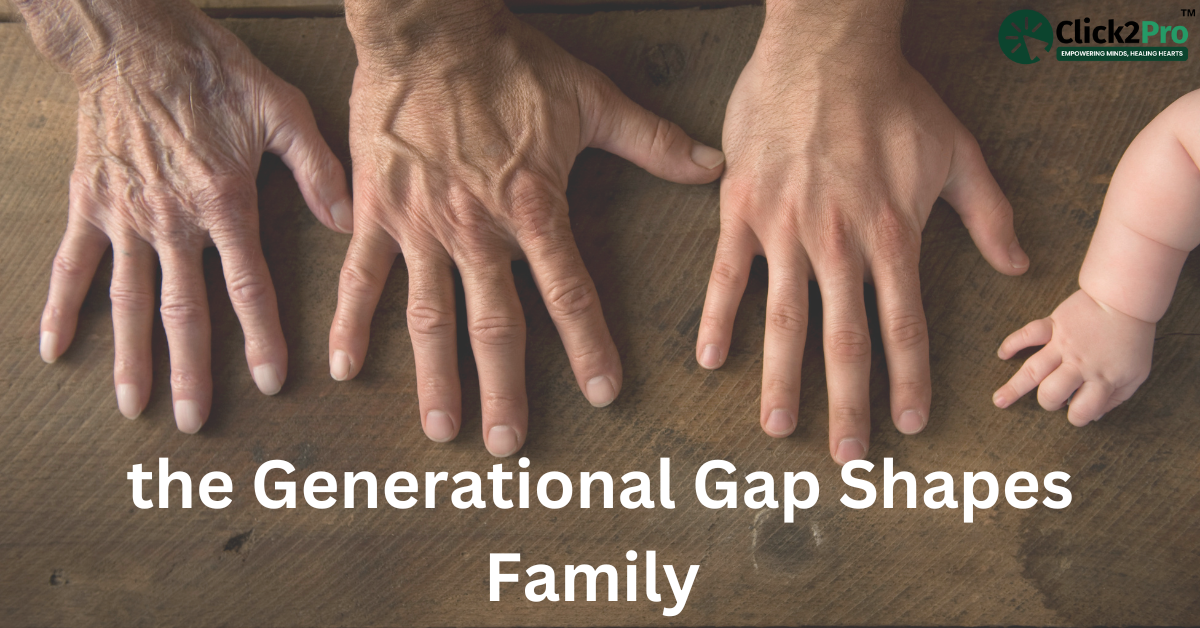
The generational gap is not just a term we toss around during family disputes; it is a reflection of the profound shifts in values, technology, and lifestyle that impact relationships within families. Families in cities like Madurai, where tradition meets modernity, experience these generational divides in unique ways. As one generation clings to cultural norms, another embraces global trends, creating a complex dynamic that affects how families communicate, make decisions, and even solve conflicts.
The Impact of Generational Gaps on Family Communication
One of the most significant effects of the generational gap is on communication. In a household with grandparents, parents, and children, the way each generation interacts differs drastically. Older generations, especially in culturally rich places like Madurai’s Anna Nagar or KK Nagar, often value face-to-face conversations. In contrast, younger generations, growing up in a digital world, lean toward texting or using social media platforms like Instagram and WhatsApp. This disconnect in communication styles can cause misunderstandings, with older family members feeling ignored or disrespected, and younger members feeling misunderstood or micromanaged.
For example, in many homes in Simmakkal, younger family members might prefer texting to express their feelings or concerns, while elders may expect verbal conversations. To bridge this gap, families must learn to appreciate and respect each other’s communication styles. Practicing patience, being mindful of preferences, and setting aside time for in-person discussions can help reduce friction caused by the generational divide.
Areas of Conflict Between Generations
While communication is often the first casualty of the generational gap, other significant areas cause tension as well. Take parenting, for instance. In traditional neighborhoods like Vilangudi, older generations may hold more rigid beliefs about discipline and education, expecting younger members to conform to established practices. In contrast, younger parents might adopt progressive approaches, focusing on emotional support and less strict discipline, which may be seen as too lenient by their elders.
Another common source of conflict is career choices. The older generation may prefer secure, stable government jobs, while the younger generation, influenced by modern opportunities, may want to pursue careers in fields like tech, digital marketing, or even freelancing. This clash of perspectives often leads to frustration on both sides, with younger family members feeling stifled and older members fearing uncertainty for the family’s future.
Technology and the Generational Divide
In places like KK Nagar, where the younger population is increasingly tech-savvy, technology often becomes a sticking point in family dynamics. The digital divide between older and younger generations is glaring. Younger family members are more comfortable with using mobile apps for tasks ranging from shopping to banking, while their parents or grandparents might prefer more traditional methods, like visiting local stores or banks in Vilangudi. The older generation may struggle with navigating technology, creating feelings of isolation and frustration, especially when they feel left behind in the fast-paced digital world.
This technological gap doesn’t just manifest in day-to-day tasks but also in how different generations consume information. While younger people may rely on online platforms for news and updates, older family members may still prefer newspapers or TV. This disconnect can exacerbate tensions, with each side feeling the other is out of touch.
Benefits of the Generational Gap: Learning and Growth
Despite the conflicts, the generational gap also brings immense value to family life. Families in Madurai often see a blend of traditional wisdom and modern adaptability. The older generation’s life experiences, especially those who have grown up in areas like Simmakkal, bring deep knowledge about cultural practices, social conduct, and values. On the other hand, the younger generation’s openness to change and technology introduces fresh ideas and solutions that can benefit the entire family.
For example, in a family residing in Anna Nagar, while grandparents may share stories about how festivals like Pongal were celebrated decades ago, younger family members may suggest ways to modernize these traditions, perhaps by involving eco-friendly practices or creating digital invitations for family gatherings. This blend of tradition and innovation can enrich family relationships and foster deeper connections.
Therapists in Madurai can provide valuable insight into how local culture impacts family dynamics, making their guidance particularly effective for families facing generational challenges.
Bridging the Generational Divide
Bridging the generational gap requires effort, understanding, and intentional communication. One effective strategy is engaging in shared family activities. For instance, younger family members can teach their elders to use smartphones or apps in a way that doesn’t seem overwhelming. In return, the elders can pass down skills like cooking traditional recipes or sharing life lessons.
Families in Madurai, especially in tight-knit communities like Vilangudi, have the advantage of maintaining close connections across generations. By engaging in local activities together—whether it’s visiting the Meenakshi Temple or attending community events—families can foster a sense of unity despite their differences.
In cases where the gap feels too wide to bridge alone, seeking professional help from family best therapists can be invaluable. Platforms like Click2Pro offer guidance tailored to the unique cultural dynamics of Indian families, helping families resolve generational conflicts through open communication and mutual respect.
Finding the best online psychologist in India can be a game-changer for families struggling with generational conflicts, especially in cities like Madurai.
The Role of Family Counselors in Resolving Generational Conflicts
When the generational divide feels too deep, especially in culturally rich but evolving cities like Madurai, family counselling can be a game-changer. In neighborhoods like KK Nagar or Simmakkal, where tradition often clashes with modernity, professional counselors can help mediate conflicts, facilitating healthy communication between generations. Family therapists bring valuable tools that teach empathy, understanding, and effective communication.
Family counselors often work with families to build bridges by identifying each generation's strengths and ensuring that all family members feel heard and respected. By helping families embrace the differences that come with generational gaps, counselors ensure that these differences strengthen rather than divide families.
Therapists in Madurai specialize in understanding the cultural nuances that influence generational dynamics, providing families with tailored strategies to navigate these challenges effectively.
FAQs
-
How does the generational gap affect family relationships?
The generational gap affects family relationships by causing differences in communication styles, values, and expectations. Older family members may hold traditional values, while younger members embrace modern ideologies, leading to misunderstandings and conflicts. However, when managed properly, these differences can foster growth and mutual respect in families.
-
What are the common sources of generational conflict in families?
Common sources of generational conflict include differences in parenting styles, career choices, technology use, and social expectations. These issues often arise because each generation has experienced vastly different societal and cultural changes, which shape their beliefs and attitudes.
-
How can families bridge the generational gap?
Families can bridge the generational gap by practicing open communication, empathy, and understanding. Engaging in shared activities, respecting each other's viewpoints, and learning from each other's experiences are effective ways to minimize conflicts. Family therapy can also help address deep-rooted tensions.
-
Why is technology a major factor in the generational divide?
Technology plays a major role in the generational divide because older generations often struggle to adapt to new technological advances, while younger generations embrace them. This disparity leads to differences in how family members communicate and perform everyday tasks, causing frustration and misunderstandings.
-
Can the generational gap have positive effects on family dynamics?
Yes, the generational gap can have positive effects on family dynamics. It allows for intergenerational learning, where older family members impart wisdom and life lessons, while younger members introduce new perspectives and technological skills. When embraced, these differences can strengthen family bonds.
Conclusion
The generational gap, while often a source of tension, also offers opportunities for families to learn from each other. In Madurai, where tradition meets modernity, families have the chance to blend their unique generational strengths and foster a richer, more connected household. By understanding, respecting, and communicating across the generational divide, families can ensure that these differences become strengths rather than weaknesses. Platforms like Click2Pro can guide families in navigating these complex dynamics, helping them find balance in the beautiful blend of tradition and change.