Table of Contents
Friendships are integral to our lives, offering support, joy, and a sense of belonging. However, the dynamics within these groups can sometimes exert subtle pressures that lead individuals to act against their values or interests. Understanding these dynamics is crucial for maintaining healthy relationships and personal well-being.
The Subtle Impact of Group Dynamics
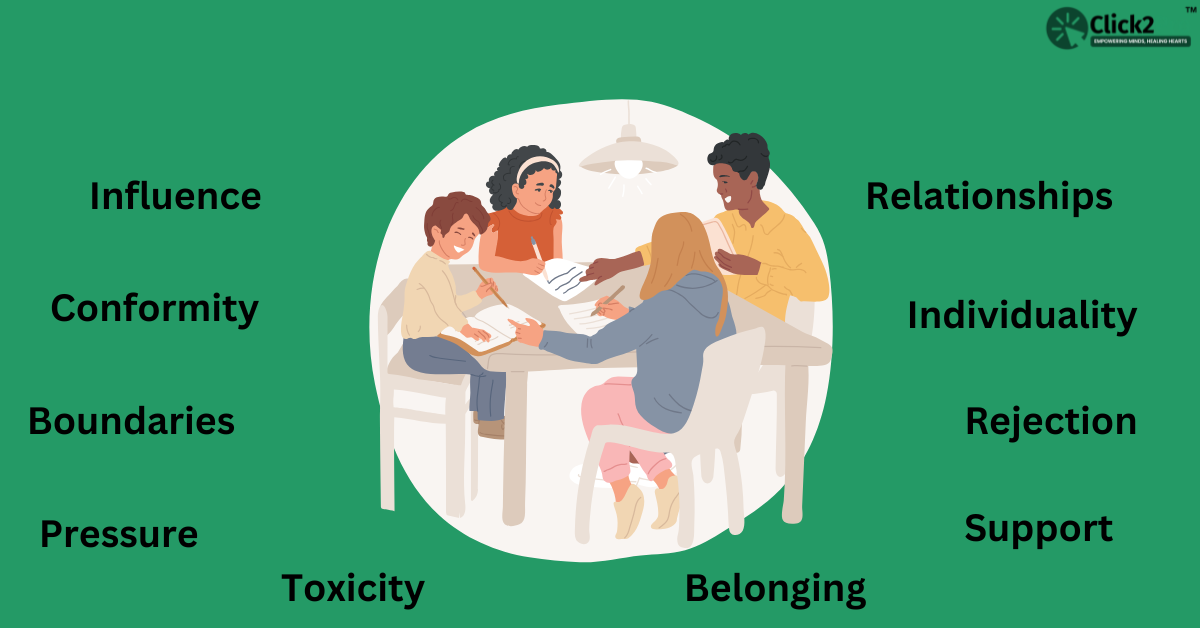
Group dynamics refer to the patterns of interaction and influence among members of a group. In friendships, these dynamics can shape behaviors, attitudes, and decisions. For instance, a dominant personality within the group might set unspoken norms, leading others to conform to maintain harmony. This conformity can sometimes result in individuals suppressing their true selves to fit in.
Recognizing Harmful Peer Pressure
Peer pressure isn't always overt. It often manifests subtly, making it challenging to identify. Signs of harmful peer pressure include:
Feeling Obligated to Conform: Experiencing discomfort when expressing differing opinions or making choices that deviate from the group's preferences.
Engaging in Uncharacteristic Behaviors: Participating in activities that conflict with personal values due to group influence.
Fear of Rejection: Worrying about being excluded or ridiculed for not aligning with the group's expectations.
Understanding these signs is the first step toward addressing and mitigating negative influences.
The Psychology Behind Conformity
The desire to belong is a fundamental human need. This need can lead individuals to conform to group norms, even when they conflict with personal beliefs. Studies have shown that social conformity can significantly impact decision-making processes, often leading individuals to make choices they wouldn't independently consider.
Strategies to Resist Negative Influences
Maintaining individuality within a group setting requires self-awareness and assertiveness. Here are some strategies to help resist harmful peer pressure:
Set Clear Personal Boundaries: Define what behaviors and activities align with your values and communicate these boundaries to your friends.
Practice Assertive Communication: Learn to express your thoughts and feelings confidently without aggression.
Seek Supportive Relationships: Surround yourself with individuals who respect your individuality and encourage personal growth.
If asserting your boundaries feels overwhelming, seeking guidance through online counselling in India can equip you with practical communication strategies to navigate peer pressure.
The Role of Healthy Friendships
Healthy friendships are characterized by mutual respect, open communication, and support for each other's individuality. Such relationships provide a buffer against negative influences and foster personal development. Engaging in diverse social circles can also reduce the pressure to conform to a single group's norms.
When to Seek Professional Help
If you find it challenging to navigate group dynamics or feel overwhelmed by peer pressure, seeking professional guidance can be beneficial. In Purnia, resources like Click2Pro offer support to individuals facing such challenges. Engaging with a counsellor in Purnia can provide personalized strategies to manage and overcome these influences.
Conclusion
Understanding and recognizing the nuances of group dynamics and peer pressure are essential for maintaining healthy friendships and personal well-being. By staying true to your values, setting clear boundaries, and seeking supportive relationships, you can navigate these challenges effectively. Remember, it's okay to seek help when needed, and resources are available to support you on this journey.
FAQs
-
What are the signs of negative peer pressure in a friendship group?
Signs include feeling compelled to conform against your values, engaging in uncharacteristic behaviors due to group influence, and fearing rejection for expressing differing opinions.
-
How does peer pressure affect mental health?
Negative peer pressure can lead to increased stress, anxiety, and a diminished sense of self-worth, impacting overall mental well-being.
-
Why do people conform to toxic group dynamics?
The innate desire for acceptance and fear of rejection often drive individuals to conform, even when it conflicts with personal beliefs.
-
How can I avoid falling victim to peer pressure?
Setting clear personal boundaries, practicing assertive communication, and seeking supportive relationships can help resist negative peer influences.
-
Can toxic friendships be changed or improved?
Yes, through open communication and mutual effort, toxic dynamics can be addressed. However, if the group remains unresponsive to change, it may be healthier to distance yourself.
-
What should I do if I feel trapped in a toxic friendship group?
Reflect on the impact of the friendship, seek guidance from trusted individuals or professionals, and consider gradually reducing involvement with the group.
-
How can counselling help with peer pressure?
Counselling provides tools to identify and resist harmful influences, build self-confidence, and develop healthier relationships.