Table of Contents
- Understanding Delhi’s Air Pollution and Its Effects
- The Mental Health Implications of Air Pollution
- Pollution Anxiety in Delhi: A Growing Concern
- Environmental Stress and Its Mental Health Impact
- Coping with Pollution-Related Mental Health Issues
- How Click2Pro Can Help
- Government Efforts and Community Initiatives
- Conclusion
- FAQs
- About the Author
Air pollution in Delhi is a growing concern that affects more than just our physical health. While most people focus on the respiratory and cardiovascular problems caused by Delhi's toxic air, its effects on mental health are often overlooked. Research increasingly shows that prolonged exposure to polluted air can exacerbate mental health issues, leading to conditions like anxiety, depression, and cognitive decline.
Delhi’s air quality, especially during the winter months and festive seasons like Diwali, is notorious for spiking to hazardous levels. For residents of Connaught Place, South Extension, Lajpat Nagar, and other busy areas, living amidst such environmental stress has significant implications on their mental well-being. In this blog, we’ll explore the link between air pollution and mental health, discuss coping strategies, and explain how Click2Pro can help if you are experiencing air pollution anxiety in Delhi.
Delhi’s Air Pollution and Its Effects
What Causes Air Pollution in Delhi?
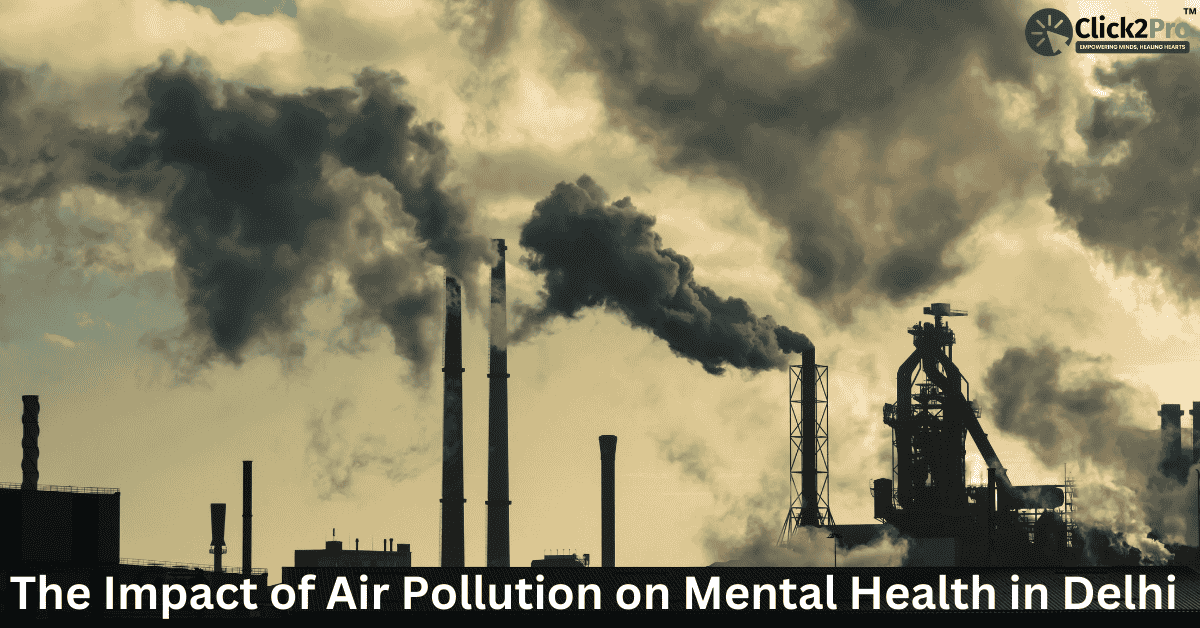
Delhi’s air pollution is primarily caused by a mix of vehicular emissions, industrial waste, crop burning, and seasonal factors. Particulate matter (PM 2.5 and PM 10), nitrogen dioxide, and sulfur dioxide are some of the main pollutants. These toxins do more than just harm your lungs—they can also penetrate the brain through the bloodstream, affecting cognitive functions and mental health.
For residents of areas like Connaught Place and Lajpat Nagar, living near heavy traffic zones means constant exposure to these harmful pollutants. But air pollution doesn't just affect those in close proximity to high-pollution zones; it impacts the entire city, creating a public health crisis.
The Mental Health Implications of Air Pollution
How Does Pollution Affect Mental Health?
Air pollution mental health in Delhi is an emerging concern that needs more attention. Prolonged exposure to polluted air has been linked to increased rates of mental health disorders, including:
-
Anxiety: Constant exposure to poor air quality can lead to pollution anxiety. People living in polluted areas worry about their health, contributing to chronic anxiety. This phenomenon, often termed "pollution anxiety Delhi," is particularly prevalent among people living in areas like South Extension and Lajpat Nagar, where pollution levels are constantly high.
-
Depression: Studies show a significant correlation between air pollution and depression. Pollutants affect the brain's chemistry, disrupting the release of neurotransmitters like serotonin and dopamine, which are vital for maintaining mental balance.
-
Cognitive Decline: Air pollution can lead to long-term cognitive issues, such as memory problems, slower cognitive response times, and even early onset dementia. This makes it particularly concerning for the elderly living in high-pollution areas of the city.
Pollution Anxiety in Delhi: A Growing Concern
What Is Pollution Anxiety?
"Pollution anxiety" is the term used to describe the stress and fear that stems from constant exposure to high levels of air pollution. This is particularly relevant in Delhi, where air quality often reaches hazardous levels. Many people avoid outdoor activities, limit social interactions, and develop an overwhelming sense of worry about their health. For residents of busy areas like Connaught Place, the daily exposure to toxic air can lead to mental health conditions that need professional attention.
Pollution anxiety in Delhi is not just limited to physical symptoms like headaches or shortness of breath but also emotional symptoms like stress, irritability, and even panic attacks.
Environmental Stress and Its Mental Health Impact
How Environmental Stress Affects Residents of Delhi
Environmental stress refers to the strain caused by living in polluted environments. In Delhi, this type of stress has escalated due to constant exposure to harmful air. Environmental stress not only worsens anxiety and depression but also leads to chronic fatigue, emotional burnout, and irritability.
Living in bustling areas like South Extension and Lajpat Nagar, where air pollution is unavoidable, can make individuals more vulnerable to the harmful effects of environmental stress. This type of mental strain can manifest as difficulty concentrating, mood swings, and even a lack of motivation to engage in daily activities.
Vulnerable Groups
Certain groups are more at risk for air pollution's mental health effects, including:
-
Children: Prolonged exposure to air pollution can stunt cognitive development, making kids in Delhi more susceptible to learning difficulties and attention disorders.
-
Elderly: Older adults may experience worsened cognitive decline and heightened symptoms of depression due to pollution.
-
People with Pre-existing Conditions: Individuals already struggling with anxiety, depression, or respiratory issues are more likely to experience a worsening of symptoms due to the impact of pollution on mental health.
Coping with Pollution-Related Mental Health Issues
Practical Strategies for Managing Pollution Anxiety
If you’re dealing with pollution anxiety in Delhi, it’s important to take steps to mitigate its impact on your mental well-being. Here are some strategies that can help:
-
Stay Indoors: Avoid outdoor activities during peak pollution times, typically in the early morning and late evening.
-
Use Air Purifiers: Invest in high-quality air purifiers to improve indoor air quality. This is particularly important in heavily polluted areas like Lajpat Nagar and Connaught Place.
-
Practice Breathing Exercises: Mindful breathing exercises can help alleviate the physical and mental symptoms of pollution anxiety.
-
Seek Professional Help: If pollution anxiety or environmental stress in Delhi is affecting your daily life, reach out to professionals. At Click2Pro, we offer both online counselling in Delhi and in-person consultations to help you manage these issues.
How Click2Pro Can Help
At Click2Pro, we specialize in helping individuals manage the mental health impacts of environmental stress. Whether you’re dealing with pollution anxiety or more complex issues like depression and cognitive decline, our team of psychologists can provide the support you need.
Online psychologist in India services are also available for those who prefer the convenience of virtual consultations. Our experts understand the specific challenges that come with living in polluted environments like Delhi and can help you develop coping strategies tailored to your needs.
If you’re living in areas like Connaught Place, South Extension, or Lajpat Nagar and struggling with the mental health effects of air pollution, you don’t have to face it alone. Click2Pro offers comprehensive mental health solutions that are designed to help you manage the anxiety and stress caused by Delhi’s air quality crisis.
Government Efforts and Community Initiatives
While the Indian government has taken steps to address Delhi's air pollution, such as implementing the odd-even vehicle policy and cracking down on industrial emissions, more efforts are needed to address the impact of pollution on mental health.
Local initiatives that focus on reducing pollution levels could have a significant effect on both physical and mental health. It’s important for communities to come together, raise awareness, and demand better environmental standards to reduce the Delhi pollution's effects on mental well-being.
Conclusion
The mental health impact of air pollution in Delhi is a pressing issue that cannot be ignored. As residents of this city, we must take steps to protect our mental and physical health from the harmful effects of polluted air. Whether it’s through breathing exercises, air purifiers, or seeking professional help, there are ways to manage the impact of pollution anxiety and environmental stress in Delhi.
If you’re struggling with pollution-related mental health issues, Click2Pro is here to help. We offer both online psychologist in India services and in-person consultations, making it easier than ever to access the mental health care you need.
FAQs
-
How does air pollution affect mental health in Delhi?
Air pollution in Delhi is linked to increased rates of anxiety, depression, and cognitive decline due to the toxic chemicals in the air affecting brain function.
-
What is pollution anxiety?
Pollution anxiety refers to the constant worry and stress related to exposure to poor air quality and its potential health risks, particularly in high-pollution areas like Delhi.
-
How can I manage pollution anxiety in Delhi?
Use air purifiers, avoid outdoor exposure during peak pollution times, practice mindfulness, and seek professional help if necessary.
-
What groups are most affected by Delhi’s air pollution?
Children, the elderly, and individuals with pre-existing mental health or respiratory conditions are particularly vulnerable.
-
Where can I get help for pollution-related mental health issues in Delhi?
Click2Pro offers both online and in-person counselling to help residents of Delhi manage the mental health effects of air pollution.
About the Author
Dr. Deepika Singh is a Senior Psychologist at Click2Pro, with extensive experience in treating individuals affected by environmental stress and pollution anxiety. Specializing in Cognitive Behavioral Therapy (CBT) and stress management, Dr. Singh has helped numerous clients in Delhi navigate the mental health challenges posed by the city's poor air quality. Passionate about mental health, she provides both online and in-person consultations to help clients improve their overall well-being.