The pattern inside when thoughts feel too powerful usually becomes clearer where alarm, avoidance, checking, or body vigilance start running too much of ordinary life.
One useful anchor is to keep this question in view: : when thoughts feel too powerful.
What makes when thoughts feel too powerful hard to work with is usually not one dramatic moment alone. The strain builds through repetition, misreading, and the ordinary situations where the same pressure keeps showing up before anyone has a language for it.
That matters because most difficult patterns spread through ordinary life before they are ever clearly named. They shape tone, timing, assumptions, energy, self-story, and what a person starts expecting from themselves and from other people, which is why a fuller reading is so much more useful than a surface one.
The more clearly the issue is named, the less likely someone is to keep mistaking repetition for inevitability over time.
How the loop keeps tightening
The cycle usually loosens once alarm is treated as a loop that can be interrupted, not as proof that the fear is right.
In magical thinking in anxiety and ocd, the loop often gets stronger because alarm keeps recruiting new evidence. The mind watches harder, checks more, and narrows daily life around the hope that certainty will finally settle the fear.
A useful reading keeps both sides in view: what the body is doing under threat and what the mind starts doing to feel safer. That is usually where the pattern becomes interruptible instead of endlessly persuasive.
Read together, those shifts usually show why the issue keeps feeling bigger than the last conversation, symptom, setback, or misunderstanding on its own. The pattern has usually been building through repetition, not through one isolated moment.
How the pattern usually shows up in daily life
The pattern rarely lives only inside a definition. It starts shaping tone, pace, habits, avoidance, and the way someone moves through ordinary moments long before it gets described in neat language.
In the body
Normal sensations can be interpreted as signs of danger, which makes panic and health-related anxiety harder to interrupt. The reason this sign gets missed is that anxiety often borrows the language of responsibility. It can look careful, prepared, or highly functional long after the nervous system has stopped feeling settled.
At work or in study
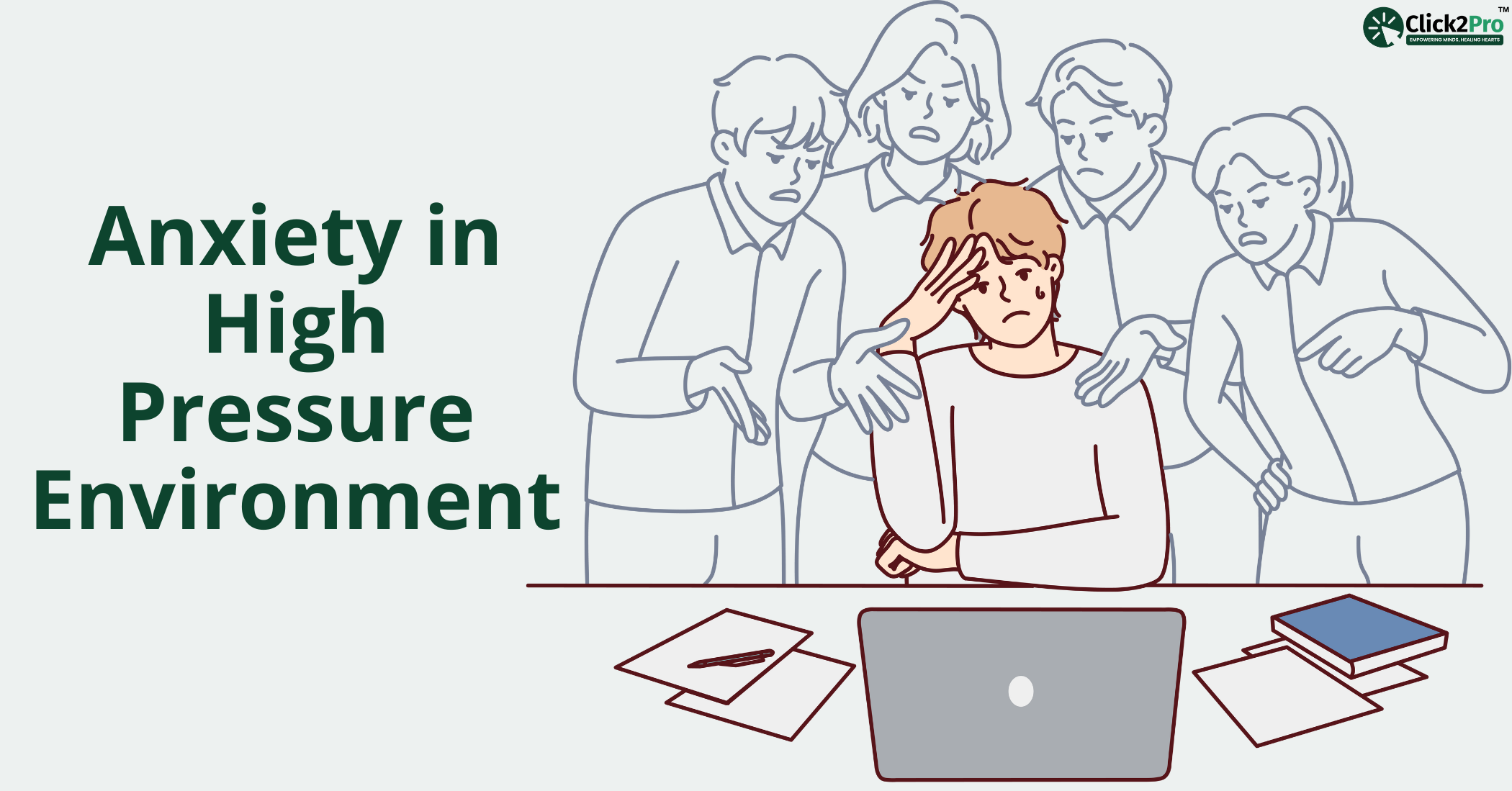
Anxiety can show up as perfectionism, fear of mistakes, difficulty switching off, or replaying conversations long after they end. What makes this pattern persuasive is that the body often reacts first. By the time the mind starts explaining what is happening, alarm has already shaped the next behaviour.
In relationships
Messages, tone changes, or small delays can feel emotionally bigger than they look because the system starts scanning for what might go wrong. The pattern usually becomes clearer when you notice how much energy is going into prevention, checking, or staying ahead of uncertainty before anything has even happened yet.
Read together, these examples show how the issue moves from theory into ordinary life. That is usually where the pattern becomes specific enough to understand and practical enough to work with.
What people often miss at first
The early clues are often easy to miss because they sound ordinary in isolation. They start making sense once they are read as part of one repeating pattern instead of as unrelated personal quirks.
Turning uncertainty into a problem that must be solved immediately
Anxious patterns often make unknowns feel intolerable rather than merely uncomfortable. What makes this pattern persuasive is that the body often reacts first. By the time the mind starts explaining what is happening, alarm has already shaped the next behaviour.
Looking productive while feeling constantly braced
Anxiety can hide behind competence, planning, and staying busy enough to avoid stillness. The pattern usually becomes clearer when you notice how much energy is going into prevention, checking, or staying ahead of uncertainty before anything has even happened yet.
Relief that only lasts for a moment
Checking, googling, avoiding, or over-preparing can calm fear briefly while training the loop to return. The reason this sign gets missed is that anxiety often borrows the language of responsibility. It can look careful, prepared, or highly functional long after the nervous system has stopped feeling settled.
A body that never fully settles
Jaw tension, racing thoughts, chest tightness, shallow breathing, and poor sleep often travel with the mental worry. What makes this pattern persuasive is that the body often reacts first. By the time the mind starts explaining what is happening, alarm has already shaped the next behaviour.
These signs matter because they usually appear long before the issue is named clearly. Catching them earlier gives someone a better chance to respond with understanding and adjustment instead of waiting until the pattern is running the whole situation.
Where people often misread what is happening
Misunderstanding usually keeps the pattern stuck longer than the pattern itself. Once the difference is named accurately, the next response tends to become calmer, fairer, and more effective.
Impact over time
Confidence, sleep, relationships, and concentration slowly get shaped by constant anticipation. By contrast, Stress can be intense, but does not always turn into a repeating fear loop. Naming the difference properly changes what people stop excusing, what they stop fearing, and what they finally start responding to more directly.
Internal signal
The system keeps predicting or rehearsing what might go wrong next. By contrast, Stress responds to a load that is easier to identify and often eases when the demand reduces. When the distinction is clearer, the issue tends to become less foggy and the next practical step becomes easier to see.
Relief pattern
Short-term relief behaviours like checking or avoidance often become part of the problem. By contrast, Ordinary stress does not usually need repeated reassurance rituals to settle. That difference matters because the next response only becomes useful once the pattern is being interpreted accurately enough.
The difference matters because the next response changes depending on what is really happening. Once the issue is interpreted more accurately, the pattern usually stops feeling so random and the practical options become easier to judge.
What begins loosening the alarm cycle
What usually helps is not one perfect insight but a better fit between the pressure the person is under and the response they keep reaching for. That is why it helps to separate what intensifies the pattern from what genuinely gives it some room to loosen.
What usually makes it heavier
The pattern usually gets heavier when searching for total certainty before taking small action, skipping rest while staying highly mentally stimulated, avoiding every trigger instead of widening tolerance gradually, and treating every body sensation like evidence of danger. In those conditions, the old loop becomes more convincing because the system has less space, safety, or energy available to try a different response.
- Searching for total certainty before taking small action
- Skipping rest while staying highly mentally stimulated
- Avoiding every trigger instead of widening tolerance gradually
- Treating every body sensation like evidence of danger
What usually makes it more workable
The issue usually becomes more workable when naming the fear loop before reacting to it automatically, therapy or structured support that separates alarm from actual danger, nervous-system regulation that works with the body, not just the mind, and gradual exposure to manageable uncertainty instead of total avoidance. What helps most is that the response begins matching the real pressure instead of only reacting to the last visible symptom.
- Naming the fear loop before reacting to it automatically
- Therapy or structured support that separates alarm from actual danger
- Nervous-system regulation that works with the body, not just the mind
- Gradual exposure to manageable uncertainty instead of total avoidance
It usually gets heavier when skipping rest while staying highly mentally stimulated or avoiding every trigger instead of widening tolerance gradually. It usually becomes more workable when nervous-system regulation that works with the body, not just the mind and gradual exposure to manageable uncertainty instead of total avoidance.
What is worth keeping in view from here
The strongest next step is rarely abstract. It usually comes from keeping a few specific pressures in view long enough that the pattern stops feeling foggy and starts feeling more workable.
What keeps uncertainty turning into alarm
What keeps uncertainty turning into alarm usually becomes easier to notice once the topic is being read in real time instead of only after the fact. That is often where the issue stops feeling abstract and starts becoming something a person can work with more directly.
What helps daily life feel larger and steadier again
What helps daily life feel larger and steadier again usually becomes easier to notice once the topic is being read in real time instead of only after the fact. The important shift is that clarity begins to outpace confusion, which makes a steadier next step possible.
How magical thinking in anxiety and ocd starts shaping the body, routines, and choices
How magical thinking in anxiety and ocd starts shaping the body, routines, and choices usually becomes easier to notice once the topic is being read in real time instead of only after the fact. Once this piece is visible, the pattern usually becomes less mysterious and less likely to keep running by default.
Questions that make the pattern easier to read
A few grounded questions can make the issue easier to understand because they pull attention away from panic, blame, or oversimplified labels and back toward the pattern itself.
What is the pattern actually trying to protect against?
Most often, the pattern is trying to manage a version of this pressure: the mind and body keep preparing for threat long after the moment needed that level of alarm. The inside need is usually certainty, steadiness, relief, and enough safety for the system to stop scanning, even when the outside response looks more like avoidance, over-preparing, reassurance-seeking, overthinking, or pushing through while overwhelmed.
Why does the visible behaviour get misread so easily?
It gets misread because people compare it to ordinary stress or to what the moment looks like on the surface. The emotional meaning underneath it is usually moving faster than the behaviour can explain on its own.
What shifts the pattern in real life instead of only naming it?
Change usually becomes more realistic when someone can see both what intensifies the issue and what actually creates enough steadiness to interrupt it. It often gets heavier around skipping rest while staying highly mentally stimulated, avoiding every trigger instead of widening tolerance gradually, and treating every body sensation like evidence of danger, and becomes more workable around nervous-system regulation that works with the body, not just the mind, gradual exposure to manageable uncertainty instead of total avoidance, and naming the fear loop before reacting to it automatically.
Taken together, these questions help turn a vague pattern into something more readable. That matters because clearer interpretation usually lowers shame, lowers panic, and creates enough steadiness for a more useful next step to become visible.
What to hold onto from here
The most useful reminders are usually the ones that keep the issue understandable without collapsing it into blame, panic, or oversimplified advice.
Anxiety often keeps repeating because short-term relief teaches the system what to fear next time. Holding onto that truth usually makes the next step steadier, more compassionate, and more practical at the same time.
High functioning can hide how much energy is being spent on staying braced. That matters because understanding alone is rarely enough unless it also changes how the person responds when the pattern shows up again in real time.
The goal is not total certainty. It is greater capacity to stay present with uncertainty without collapsing into alarm. This reminder helps because it protects against the urge to reduce a complex issue to one harsh story, one symptom, or one oversimplified solution.
Sustainable change usually happens when the body and mind are both included in the work. Holding onto that truth usually makes the next step steadier, more compassionate, and more practical at the same time.
- Anxiety often keeps repeating because short-term relief teaches the system what to fear next time.
- High functioning can hide how much energy is being spent on staying braced.
- The goal is not total certainty. It is greater capacity to stay present with uncertainty without collapsing into alarm.
- Sustainable change usually happens when the body and mind are both included in the work.
When those reminders stay visible, the topic usually becomes less shaming and more workable. The point is not to become perfect at handling it overnight, but to stop giving the old pattern the only interpretation and the only response it has ever had.