Table of Contents
- The Psychology Behind Fear of Public Speaking
- Signs and Symptoms of Glossophobia
- Cognitive Behavioral Therapy (CBT) for Public Speaking Anxiety
- The Role of Mindfulness and Relaxation Techniques
- Group Therapy and Exposure Therapy: The Power of Practice
- The Impact of Self-Compassion and Positive Affirmations
- Virtual Therapy: A Convenient Alternative
- Conclusion
- FAQs
For many, public speaking is a daunting task. The mere thought of standing in front of an audience can trigger a wave of anxiety, making people feel paralyzed by fear. This fear, known as glossophobia, affects individuals across various demographics and walks of life. It’s not just about being nervous; it’s a psychological condition that can significantly impact one’s professional and personal life. However, with the right therapeutic interventions, managing this fear becomes achievable. Therapy helps individuals confront their fears, reframe their thinking, and gain the confidence needed to speak in public with ease.
The Psychology Behind Fear of Public Speaking
Fear of public speaking doesn’t come out of nowhere. It’s often deeply rooted in the fear of judgment, rejection, or failure. Many individuals experience this anxiety because they perceive the audience as highly critical. The feeling that every word or gesture is being scrutinized creates a significant psychological barrier. Some of the primary triggers include fear of embarrassment, low self-esteem, or a traumatic experience related to public speaking.
In a city like Chitradurga, known for its tight-knit community dynamics and traditional social settings, the pressure to maintain one's social standing often amplifies these fears. Social expectations and the fear of judgment from peers can make public speaking anxiety particularly challenging to overcome in such environments. Therapy, however, provides an opportunity to delve into these fears and challenge the assumptions that fuel them.
Signs and Symptoms of Glossophobia
Individuals suffering from glossophobia often exhibit both physical and emotional symptoms. Physically, they may experience a rapid heartbeat, sweating, trembling, or even nausea. These physical reactions are tied to the body's fight-or-flight response, a natural reaction to perceived danger. Emotionally, glossophobia can cause intense feelings of dread, an overwhelming sense of inadequacy, and avoidance behaviors. Many people avoid public speaking at all costs, turning down opportunities for career advancement or personal growth.
The fear doesn't just affect professional scenarios; it can spill over into personal situations, such as making a speech at a family event or even speaking up in a social group. Therapy helps address these emotional and physical symptoms by equipping individuals with tools to manage their anxiety.
Cognitive Behavioral Therapy (CBT) for Public Speaking Anxiety
One of the most effective treatments for glossophobia is Cognitive Behavioral Therapy (CBT). CBT focuses on identifying negative thought patterns that contribute to anxiety and replacing them with more constructive, positive thoughts. In therapy sessions, individuals learn to challenge irrational fears like “Everyone is judging me” or “I will fail and make a fool of myself.”
For example, a client might work with a therapist to reframe their thinking from “I’m going to mess up” to “I’ve prepared well, and it’s okay to make mistakes.” By changing these thought patterns, individuals begin to reduce the power that anxiety holds over them. Through consistent practice and reinforcement, public speaking becomes less of a dreaded event and more of an opportunity to communicate effectively.
In a therapy session focused on public speaking, the therapist may simulate speaking environments, starting with low-pressure scenarios like speaking to a small group or practicing in front of a mirror. Over time, these controlled exposures help individuals build confidence and manage their anxiety effectively.
The Role of Mindfulness and Relaxation Techniques
Mindfulness-based therapy is another powerful tool for overcoming fear of public speaking. Mindfulness teaches individuals to focus on the present moment, allowing them to let go of anxious thoughts about what might go wrong. Techniques such as deep breathing, progressive muscle relaxation, and meditation can help calm the body's physical response to anxiety.
Before a public speaking event, for instance, practicing deep breathing exercises can lower the heart rate and reduce tension in the body. Similarly, progressive muscle relaxation (PMR), where individuals tense and then relax different muscle groups, helps reduce physical symptoms of anxiety. These techniques are especially useful for individuals in high-pressure situations, like those frequently encountered in Chitradurga’s business or community meetings.
Another practical tool is visualization, where the individual imagines themselves delivering a successful speech. Visualization helps create a mental rehearsal of a positive experience, which can be just as powerful as actual practice in reducing anxiety.
Group Therapy and Exposure Therapy: The Power of Practice
For some individuals, group therapy provides a supportive environment to face their fears. In group therapy, participants practice public speaking in front of others who are experiencing similar anxieties. This supportive atmosphere allows individuals to receive constructive feedback without the fear of judgment or ridicule.
Exposure therapy is another commonly used approach to managing fear of public speaking. Exposure therapy gradually exposes individuals to their fears in a controlled environment. For example, a therapist might start by asking the individual to deliver a short presentation to a few people. Over time, the group size can increase, and the scenarios become more realistic and challenging. This gradual exposure helps individuals become more comfortable with public speaking, making it less overwhelming over time.
Incorporating real-life exposure, such as volunteering to speak at local events or within community groups in Chitradurga, is a great way to reinforce the skills learned in therapy.
The Impact of Self-Compassion and Positive Affirmations
In addition to structured therapy, self-compassion plays a crucial role in managing public speaking anxiety. Being overly critical of oneself only deepens the fear. Therapy often emphasizes the importance of treating oneself with kindness, especially when things don’t go as planned. Mistakes in public speaking are natural, and learning to accept these without harsh self-criticism is a key aspect of the therapeutic journey.
Positive affirmations also support this process. Statements like “I am capable of handling this situation” or “I am improving with every experience” can shift one's mindset. These affirmations, when practiced consistently, can help retrain the brain to focus on potential successes rather than on feared outcomes.
Virtual Therapy: A Convenient Alternative
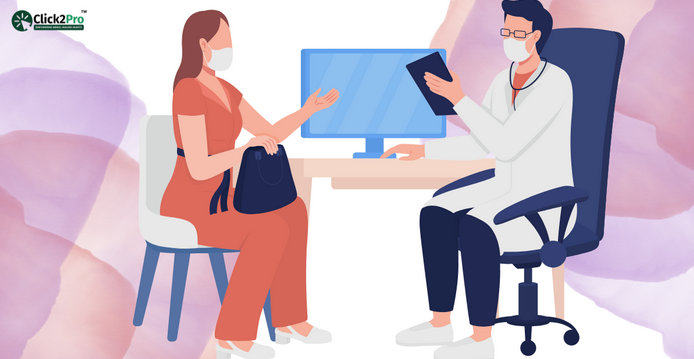
In today's digital age, virtual therapy offers an accessible option for individuals who may not feel comfortable seeking help in person. Online therapy platforms, such as those offered by Click2Pro, allow individuals to connect with qualified therapists from the comfort of their own homes. Virtual therapy can be particularly useful for those who live in more rural areas, like Chitradurga, where access to in-person therapy services might be limited.
Many therapists incorporate online tools, such as video simulations, where clients can practice public speaking in a safe, virtual environment. This combination of convenience and effectiveness makes virtual therapy an excellent option for those managing public speaking anxiety.
For those seeking flexible and convenient solutions, counselling online in India has become an effective option, allowing individuals to access professional help from the comfort of their homes.
Conclusion
Overcoming the fear of public speaking is a journey, but it’s a journey worth taking. Through various therapeutic approaches such as Cognitive Behavioral Therapy, exposure therapy, mindfulness practices, and group therapy, individuals can gradually build the confidence to face their fear. Therapy helps address not just the symptoms but the root causes of public speaking anxiety, offering long-term solutions that enable people to communicate effectively and authentically.
Whether you’re in a bustling urban center or a more close-knit community like Chitradurga, therapy provides the tools to manage anxiety in a way that’s tailored to your needs. With the right support and strategies, you can transform the fear of public speaking into an opportunity for growth and personal empowerment. At Click2Pro, we understand how debilitating this fear can be, and we’re here to guide you on the path to confidently expressing yourself in any public setting.
If you're looking for local support, finding a skilled counsellor in Chitradurga who understands the community's unique dynamics can be a crucial step in managing public speaking anxiety.
FAQs
1.How can therapy help with public speaking anxiety?
Therapy helps by addressing the root causes of public speaking anxiety, such as negative thought patterns and fears of judgment. Techniques like CBT and exposure therapy are particularly effective in gradually reducing fear.
2.Is public speaking anxiety common?
Yes, public speaking anxiety is extremely common. Studies suggest that around 75% of people experience some level of anxiety before speaking in public, making it one of the most widespread phobias.
3.Can mindfulness reduce public speaking anxiety?
Absolutely. Mindfulness teaches individuals to focus on the present moment, helping to manage racing thoughts and calm the physical symptoms of anxiety.
4.How long does it take to overcome fear of public speaking with therapy?
The timeline varies, but many individuals begin to see improvements within 8-12 sessions of therapy. With consistent practice, the fear of public speaking can be significantly reduced over time.
5.Is virtual therapy effective for public speaking anxiety?
Yes, virtual therapy is a highly effective option. Many individuals find that practicing public speaking exercises in a virtual environment helps them manage their anxiety in real-life scenarios.