
Table of Contents
In many families today, children and adolescents are stepping into caregiving roles, particularly when it comes to looking after preschool-age siblings. This responsibility, though often unrecognized, can significantly impact their mental health. The emotional and psychological challenges they face while balancing school, personal life, and caregiving duties can lead to lasting mental health issues. Let’s explore these challenges and the mental health impact in detail, offering insights, support, and resources for young caregivers.
The Hidden Struggles of Young Caregivers
Caring for a preschool-age child involves more than just playing or feeding. It requires constant supervision, managing tantrums, dealing with emotional outbursts, and ensuring the child’s physical and emotional needs are met. While parents might assume that older siblings are simply helping out, the reality is that these responsibilities can cause immense stress for young caregivers.
For adolescents, the transition from schoolwork to caregiving duties creates a conflict between their own needs and those of the child they are caring for. This role conflict can lead to anxiety, guilt, and frustration as they try to manage both aspects of their life without proper support. They are expected to handle significant emotional and physical tasks while also navigating their own developmental changes.
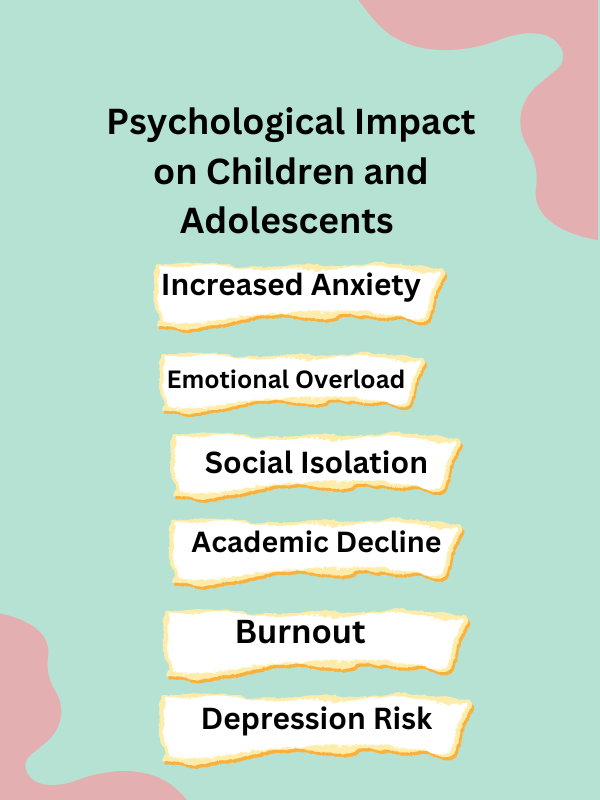
Psychological Impact on Children and Adolescents
One of the major mental health concerns for young caregivers is emotional overload. As children and adolescents take on caregiving roles, they experience heightened levels of stress. This can manifest in a range of emotional and psychological issues, such as:
- Anxiety and Stress: Many young caregivers feel overwhelmed by the responsibility placed on them. Their anxiety stems from the fear of not being able to meet the needs of the preschool child. Over time, this stress can lead to chronic anxiety, affecting their ability to focus on academics and social life.
- Depression: The continuous burden of caregiving without adequate breaks or recognition can lead to feelings of helplessness and sadness. Adolescents may feel trapped in their role, unable to voice their struggles, which contributes to a sense of isolation and depression.
- Guilt and Self-Blame: Some young caregivers feel guilty for not being able to balance caregiving with their own academic and social responsibilities. They may blame themselves for being frustrated or angry with the preschool child, leading to a cycle of guilt and low self-esteem.
The Long-Term Effects of Caregiving on Mental Health
The caregiving role taken on by children and adolescents doesn’t just affect their mental health in the short term—it can have long-lasting effects. Research shows that children who take on significant caregiving roles at a young age are more likely to face mental health challenges later in life.
For instance, the constant stress of managing a preschooler’s needs can affect a young caregiver’s academic performance. Their focus shifts away from schoolwork, and over time, this can result in falling grades or lack of interest in academics. More concerning is the impact on their ability to form friendships and engage in typical adolescent activities, leading to social isolation.
Additionally, the mental toll of caregiving can predispose them to develop chronic anxiety, depression, or emotional dysregulation as adults. Without early intervention or support, the mental health challenges they face now can become entrenched issues in their adult lives.
Coping Strategies for Young Caregivers
Supporting young caregivers is crucial to ensure that their mental health remains intact. There are several strategies that families, schools, and communities can adopt to provide relief for these adolescents and children.
Online counselling India has made mental health support more accessible to young caregivers who may not have the time or resources to visit a therapist in person.
- Building a Support Network: Parents should recognize the mental burden their child is carrying and create a strong support system. This could involve sharing caregiving duties among other family members, enlisting the help of neighbors, or even hiring part-time help if possible. Regular check-ins with young caregivers to assess how they are coping are essential.
- Providing Respite: Even small breaks from caregiving duties can make a significant difference. Parents should encourage their older children to engage in activities they enjoy, such as sports, art, or socializing with friends, without the added responsibility of caregiving.
- Stress Management Techniques: Mindfulness exercises, relaxation techniques, or engaging in hobbies can help young caregivers manage their stress. Schools can also play a role by providing mental health resources, such as counselling or peer support groups, where adolescents can openly share their experiences and feelings.
When to Seek Professional Help
While caregiving responsibilities can be managed with the right support, there are times when professional help is needed. Mental health professionals can help young caregivers navigate their complex emotions and build coping mechanisms. Here are some warning signs that may indicate the need for professional intervention:
- Persistent sadness or depression
- Withdrawal from social activities or friends
- Difficulty concentrating in school
- Physical complaints such as headaches or stomach aches
- Constant irritability or mood swings
If a child or adolescent displays these signs, it’s important to consult a therapist who specializes in childhood and adolescent mental health. Therapy options such as Cognitive Behavioral Therapy (CBT) or family counselling can provide much-needed relief for young caregivers, helping them process their emotions and build resilience.
For young caregivers experiencing emotional burnout, seeking help from an online psychologist India can provide the professional guidance they need without disrupting their caregiving duties.
Testimonials and Case Study
Consider the case of Riya, a 16-year-old who cared for her 4-year-old sibling while their parents worked long hours. Riya shared how the constant demands of caregiving made her feel like she had no time for herself. “I started feeling depressed and anxious. I couldn’t keep up with school, and I had no time to hang out with my friends.” After her parents recognized the mental toll caregiving was taking, they sought help from a family therapist. Through counselling, Riya learned how to manage her stress and set boundaries, leading to a more balanced life. This case highlights how professional help can play a pivotal role in supporting young caregivers.
Future Trends and Resources
The growing awareness of the mental health impact on young caregivers has led to increased research and support services globally. Several organizations are developing resources tailored to adolescent caregivers, from online support groups to school-based mental health initiatives. Going forward, we may see more structured programs aimed at easing the burden on these young individuals. Families should also leverage technology, such as teletherapy, to provide accessible mental health support for their children.
In India, platforms like Click2Pro offer valuable mental health resources and counselling services specifically designed to address the needs of young caregivers. By engaging with professional mental health experts, families can ensure that the mental health of both their preschool child and the young caregiver remains balanced and healthy.
Conclusion
Caring for a preschool-age child can place a heavy mental burden on children and adolescents, often leading to anxiety, depression, and emotional exhaustion. By acknowledging the challenges faced by young caregivers and providing appropriate support, families can protect the mental health of their children. Seeking professional help when necessary and implementing stress-relief techniques are key to ensuring that young caregivers can thrive without compromising their well-being.
FAQs
-
What are the mental health effects of being a young caregiver?
Young caregivers often experience anxiety, depression, and emotional burnout due to the stress of balancing caregiving duties with their personal life.
-
How does caring for a younger sibling affect a teenager's mental health?
Teenagers may face increased stress, academic decline, and emotional isolation when caregiving duties interfere with their own developmental needs.
-
What are the signs of burnout in adolescent caregivers?
Signs include chronic fatigue, irritability, difficulty focusing, and emotional withdrawal from social and academic activities.
-
Can caregiving as a child or adolescent lead to long-term mental health issues?
Yes, prolonged caregiving responsibilities can result in long-term mental health issues like chronic anxiety, depression, or emotional dysregulation.
-
How can parents support children and adolescents caring for a preschool-age child?
Parents can support by providing breaks, sharing caregiving duties, offering emotional support, and seeking professional help when necessary.
About the Author
Aashi Gupta is a Senior Psychologist at Click2Pro, specializing in child and adolescent mental health. With over a decade of experience, Aashi has worked extensively with young caregivers, offering guidance and support to help them navigate the emotional challenges of caregiving. Her expertise lies in Cognitive Behavioral Therapy (CBT), family counselling, and mindfulness practices, making her a trusted voice in the field of mental health. Passionate about creating awareness, Aashi is dedicated to empowering young individuals and their families to build healthy, balanced lives. Through her writing, she aims to provide practical, compassionate advice tailored to the unique needs of caregivers and those they care for.