Table of Contents
- The Psychological Impact of Floods in Rural Areas
- Common Mental Health Conditions Post-Flood
- Why Mental Health Support is Essential After Floods
- Barriers to Mental Health Support in Rural Areas
- The Role of Government and NGOs
- Strategies to Improve Mental Health Support
- Building Resilience in Flood-Prone Communities
- Conclusion
- About the Author
- FAQs
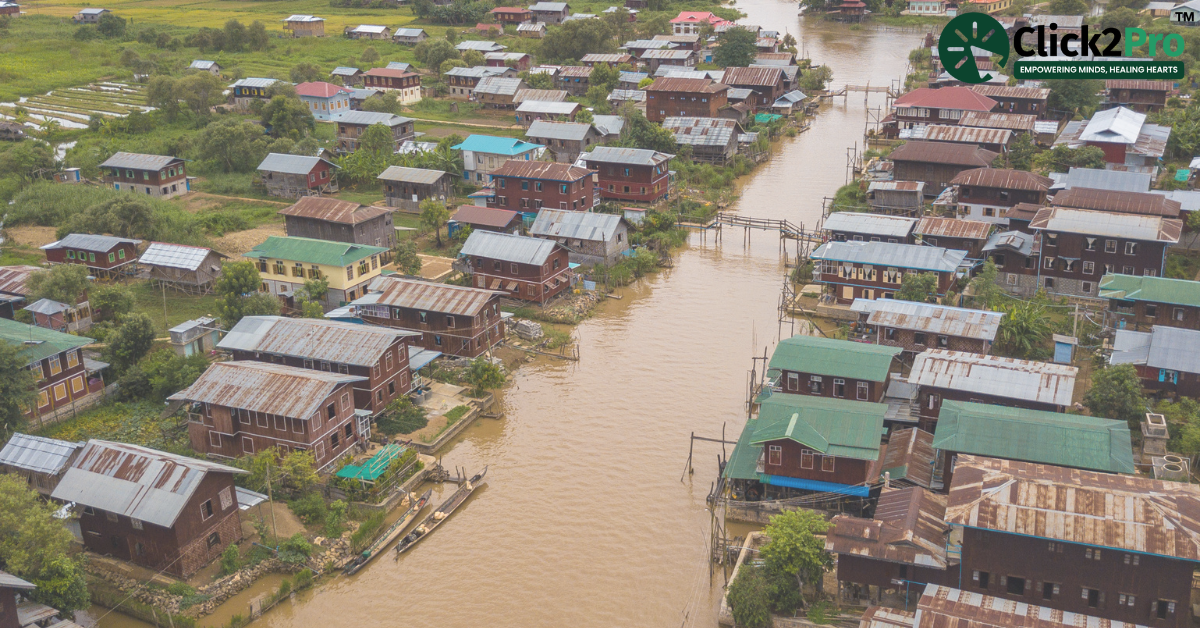
Floods are some of the most frequent and devastating natural disasters, and their impact goes far beyond physical destruction. In rural areas, where resources are already scarce, the mental health toll of floods is often exacerbated. The emotional and psychological effects of losing homes, livelihoods, and loved ones can lead to long-term mental health issues if not addressed. This article explores the crucial role mental health support plays in rural communities affected by floods and the challenges that come with it.
The Psychological Impact of Floods in Rural Areas
When floods hit rural areas, the disruption to daily life is often profound. The loss of homes, displacement, and destruction of agricultural livelihoods are immediate stressors. However, the long-term psychological effects can be even more damaging. Survivors may suffer from Post-Traumatic Stress Disorder (PTSD), anxiety, depression, and other mental health conditions triggered by the trauma of the event. These psychological scars can persist long after the physical damage has been repaired.
Rural areas are particularly vulnerable due to the lack of infrastructure and limited access to mental health services. In many flood-prone regions, mental health care is not prioritized, and there is often a cultural stigma associated with seeking help for mental health issues. This leaves many people suffering in silence, exacerbating the psychological toll of disasters like floods.
Common Mental Health Conditions Post-Flood
In the aftermath of a flood, several mental health issues commonly emerge:
PTSD
Flood survivors often experience flashbacks, nightmares, and severe anxiety, reliving the trauma repeatedly. For those who have faced multiple floods, the psychological strain compounds.
Depression
The feeling of hopelessness and loss that accompanies the destruction of homes, land, and community infrastructure can trigger depressive episodes. Many people in rural areas experience a prolonged sense of despair as they struggle to rebuild their lives.
Anxiety
Uncertainty about future flooding, economic insecurity, and the fear of another disaster can cause pervasive anxiety in affected populations. This ongoing worry impacts day-to-day functioning and overall well-being.
Why Mental Health Support is Essential After Floods
Mental health support is not only crucial for immediate post-flood recovery but is also essential for the long-term resilience of affected communities. Without intervention, untreated mental health issues can hinder recovery efforts, leading to a cycle of trauma and poor mental health. Emotional well-being is as critical as physical relief, and neglecting it can slow the recovery process for individuals and the entire community.
Barriers to Mental Health Support in Rural Areas
-
Lack of Access to Services: One of the biggest challenges is the limited availability of mental health professionals in rural areas. Many rural regions are already underserved in terms of healthcare, and this issue becomes even more pronounced after a disaster. In India, for instance, large swathes of the rural population live in mental health professional shortage areas.
-
Cultural Stigma: In rural communities, mental health issues are often stigmatized. Many people are reluctant to seek help for fear of being judged as weak or incapable of handling adversity. This cultural barrier prevents individuals from accessing the care they need to recover emotionally.
-
Economic Hardship: Floods often wipe out livelihoods in rural areas, especially for farmers and small business owners. Without a steady income, many individuals are unable to afford mental health services. This lack of economic resources contributes to the growing mental health crisis in flood-affected areas
For those in rural areas affected by floods, accessing mental health services can be a challenge. This is where the best online counselling India services come into play, providing critical psychological support remotely when in-person sessions are not feasible.
The Role of Government and NGOs
Both governmental and non-governmental organizations (NGOs) play a vital role in addressing the mental health needs of flood-affected rural communities. They implement programs designed to provide psychosocial support and counseling, often through mobile mental health clinics or telehealth services. These services bring mental health care directly to people in isolated areas, ensuring they have access to the help they need despite geographic or financial barriers.
Strategies to Improve Mental Health Support
To effectively address the mental health challenges in rural flood-affected areas, several strategies should be implemented:
-
Training Local Healthcare Workers: One practical solution is to train local healthcare workers and volunteers in psychological first aid and basic mental health support. This can bridge the gap when professional mental health services are unavailable.
-
Integrating Mental Health into Disaster Relief: Mental health services should be part of the standard disaster relief package. Just as food, water, and shelter are essential for physical survival, mental health support is critical for emotional recovery.
-
Sustainable Long-Term Support: Mental health issues often persist long after the initial crisis has passed. Long-term programs, including counseling and community-based support, should be available to help individuals process their trauma and build emotional resilience.
Building Resilience in Flood-Prone Communities
The most effective way to address the mental health needs of rural flood-affected populations is through community resilience-building initiatives. By fostering strong social support networks and promoting mental health education, communities can become more self-sufficient in dealing with the emotional toll of disasters.
Community-led mental health programs and peer-support groups can provide ongoing emotional support, helping individuals feel less isolated in their recovery process. Additionally, educating communities about the importance of mental health can reduce the stigma surrounding it, making it easier for people to seek the help they need.
Conclusion
The mental health impact of floods in rural areas is profound, yet often overlooked. To truly recover from the devastation of a flood, communities must address both the physical and emotional aftermath. By prioritizing mental health support and breaking down the barriers to care, we can help rural communities not only rebuild their homes but also their resilience. Governmental and NGO interventions, combined with community-driven mental health initiatives, will be key in ensuring that rural populations have the emotional tools needed to navigate future floods.
About the Author
Aakanchha Srivastava is a Senior Psychologist at Click2Pro, a mental health service provider. With years of experience in the field of psychology, she specializes in addressing mental health challenges faced by individuals in both urban and rural settings. Her expertise includes providing psychological support during crises, such as natural disasters, with a deep focus on trauma recovery, stress management, and mental resilience.
Aakanchha has worked extensively in areas impacted by natural calamities, offering her insights into the unique mental health needs of rural populations, particularly those affected by floods and other disasters. She is passionate about breaking the stigma around mental health in underserved areas and advocates for the integration of mental health services into disaster relief efforts.
FAQs
-
Why is mental health support crucial in flood-affected areas?
Mental health support is vital because floods cause significant trauma, anxiety, and emotional distress. Without proper intervention, these issues can lead to long-term mental health problems like PTSD, depression, and anxiety.
-
How do floods affect mental health in rural areas?
Floods lead to displacement, loss of livelihood, and destruction of homes, creating significant stress and trauma. Rural areas, with limited access to mental health services, face additional challenges in recovering emotionally from such disasters.
-
What mental health conditions are common after floods?
Common mental health issues post-flood include PTSD, depression, and anxiety, particularly due to the loss of property, livelihood, and the fear of future floods.
-
How can rural areas improve access to mental health services after floods?
Mobile mental health clinics, telehealth services, and community-led mental health programs can help improve access in rural areas, especially when integrated into disaster relief efforts.
-
What role do NGOs play in providing mental health support in flood-affected rural areas?
NGOs play a crucial role by setting up mobile mental health services, training local volunteers, and promoting mental health education in flood-affected areas, helping to fill the gap in professional services.