Table of Contents
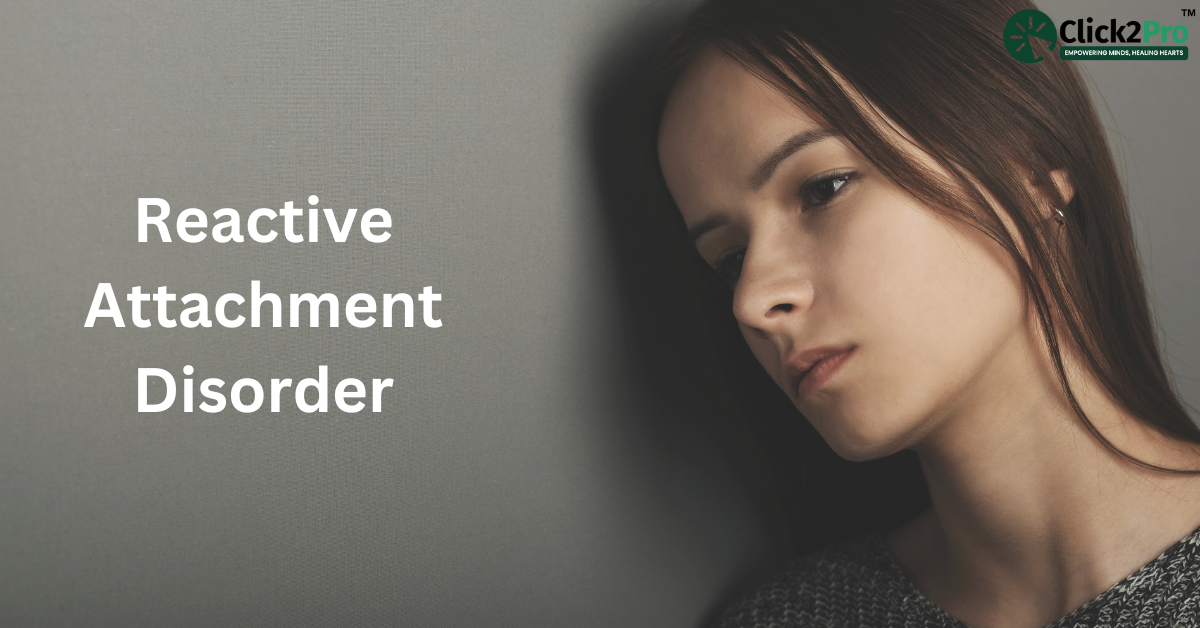
Parenting teens can be challenging enough, but when a teenager is dealing with Reactive Attachment Disorder (RAD), the stakes are even higher. This emotional and behavioral condition, often rooted in early trauma or neglect, disrupts a teen’s ability to trust, bond, and navigate relationships. For parents and caregivers, understanding RAD and implementing tailored strategies can make a profound difference in their teen's journey toward stability and connection.
This guide delves into the nuances of RAD in teens, blending insights with actionable strategies while keeping a focus on the Indian context, including insights specific to families in Banswara and other Indian cities.
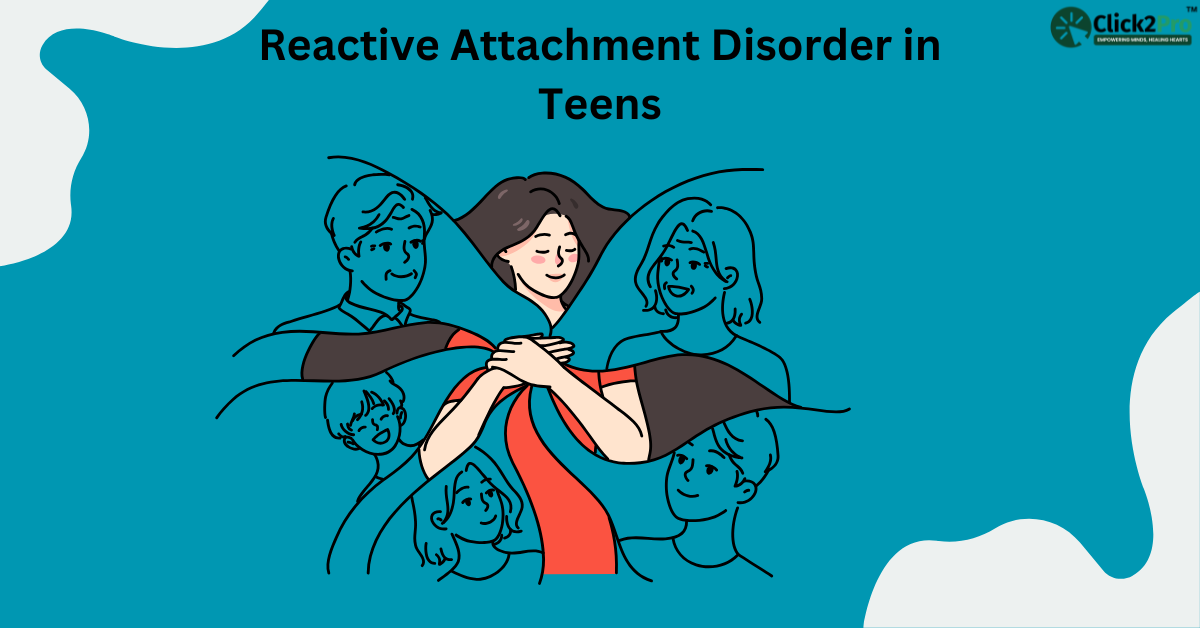
Reactive Attachment Disorder in Teens
Reactive Attachment Disorder in teenagers is complex and often misunderstood. Unlike the overt dependency or clinginess seen in younger children with RAD, teens typically display detachment, emotional withdrawal, or even hostility. These behaviors are not mere teenage angst but are deeply tied to unresolved attachment trauma.
For instance, a teen in Banswara struggling with RAD might avoid forming friendships at school, distrust well-meaning teachers, or react aggressively to perceived authority. Such behaviors often stem from disrupted early attachments, whether due to neglect, frequent caregiver changes, or early traumatic experiences.
In Banswara, where extended families often live together, these teens may also struggle with traditional expectations of respect and togetherness, further straining relationships.
Signs and Challenges of RAD in Adolescents
The symptoms of RAD can vary, but they typically include:
-
Difficulty forming close relationships, even with family members.
-
Avoidance of eye contact or physical affection.
-
Explosive anger or emotional outbursts.
-
A tendency to lie, manipulate, or show inappropriate independence.
Parents and caregivers might confuse RAD behaviors with regular teenage rebellion. However, the root cause here is much deeper—a fundamental difficulty in forming trusting bonds.
For caregivers in Banswara or similar cities, where societal expectations around discipline and obedience are high, RAD behaviors can feel like personal failures. However, understanding that these challenges stem from past trauma is the first step toward addressing them effectively.
Strategies for Managing RAD: Building Bridges of Trust
Navigating RAD requires more than discipline or traditional parenting methods. It demands empathy, consistency, and professional guidance. Here’s what works:
Establishing Stability and Predictability
Teens with RAD thrive in environments where they feel safe and secure. Establishing routines—whether it’s regular family meals at home in Banswara or a predictable weekend outing to popular spots like Anand Sagar—can offer comfort.
Communication Without Pressure
Parents often wonder, “Why won’t my teen open up?” With RAD, pressuring a teen to share can backfire. Instead, create opportunities for casual conversations. For example, discussing a topic like a local event or festival in Banswara can be a non-threatening way to build rapport.
Involving Trusted Professionals
Reactive Attachment Disorder requires expert intervention. Online counselling in India is a growing resource, offering families in smaller cities like Banswara access to skilled psychologists. Click2Pro’s online counselling services provide parents with tools to better support their teens.
Professional therapy—such as Cognitive Behavioral Therapy (CBT) or attachment-based therapies—can help teens process past trauma and learn healthy relationship patterns.
When Should You Seek Help?
Parents should consider seeking help when RAD behaviors begin to severely impact a teen’s ability to function, such as:
-
Academic decline due to emotional difficulties.
-
Persistent anger or aggression at home.
-
Self-isolation, even in social or family settings.
For parents in Banswara, access to local mental health professionals may be limited. Platforms like Click2Pro bridge this gap by offering online counselling in India, enabling parents to connect with experts without geographical constraints.
For families in smaller cities like Banswara, where local mental health services may be limited, exploring options like online therapy Banswara can provide access to expert guidance and support without geographical barriers.
Building a Support Network in the Family
In close-knit communities like Banswara, involving extended family in the healing process can be both a challenge and a strength. Educating family members about RAD ensures that the teen isn’t labeled as “problematic” or “difficult.”
For example, helping grandparents understand RAD’s impact on emotional regulation can foster empathy rather than criticism. Similarly, encouraging siblings to model trust and patience can be transformative for the entire family dynamic.
The Role of Lifestyle and Holistic Practices
While professional therapy is key, everyday practices can also support a teen with RAD:
-
Structured Routines: Regular schedules help teens feel safe. For instance, waking up for a morning walk in Banswara’s serene surroundings can set a positive tone for the day.
-
Mindfulness and Relaxation: Activities like yoga or guided meditation can teach emotional regulation. Local yoga sessions or online mindfulness apps can be valuable resources.
-
Nutrition and Exercise: Encouraging a balanced diet and physical activity helps reduce stress and improve mood.
Success Stories
Consider a family in a small town like Banswara, struggling with their teen’s RAD. Through consistent online therapy sessions and a tailored routine, their teen gradually began to trust and engage with others. Small milestones, like expressing gratitude or maintaining eye contact, marked the start of significant progress.
These stories underscore the importance of persistence and professional guidance. With patience and the right support, teens with RAD can thrive.
FAQs
1. What triggers Reactive Attachment Disorder in teens?
Triggers for RAD behaviors include perceived abandonment, sudden changes in routine, or conflicts that emphasize trust issues. For example, a teen might feel overwhelmed during festivals or crowded events, common in cities like Banswara.
2. Can RAD be cured in teenagers?
While RAD isn’t “cured” in a traditional sense, with consistent therapy and support, teens can learn to form healthy relationships and manage their emotions effectively.
3. How can online counselling help teens with RAD?
Online counselling provides access to specialized therapists who can tailor treatment plans to a teen’s needs. Platforms like Click2Pro offer affordable and accessible options for families in smaller cities like Banswara.
4. What are the signs that RAD is improving?
Signs of improvement include increased trust in caregivers, fewer emotional outbursts, and willingness to engage in family activities.
5. Is parenting the only factor in RAD development?
No, RAD often stems from early childhood trauma or neglect, which may be outside a parent’s control. Recognizing this can help parents approach their teen with empathy rather than guilt.
Conclusion
Navigating Reactive Attachment Disorder in teens requires patience, empathy, and a commitment to understanding their unique needs. For parents and caregivers in cities like Banswara, leveraging local resources and exploring platforms offering online counselling in India can ensure your teen receives the support they need.
With time, consistency, and professional guidance, RAD does not have to define a teen’s future. Families can rebuild trust, one small step at a time, toward a brighter and more connected tomorrow.