Table of Contents
Phobias are more than just fears; they can be paralyzing and life-limiting. Whether it’s the fear of flying, spiders, or social situations, phobias often leave people feeling trapped, anxious, and unable to lead a normal life. Traditional therapies like Cognitive Behavioral Therapy (CBT) and medications can help manage symptoms but often don’t address the root cause. Hypnotherapy, on the other hand, offers an alternative that dives deep into the subconscious mind to bring about lasting change.
Why Traditional Methods Sometimes Fall Short
For years, people have turned to conventional treatments for phobias—such as talk therapy or medications. However, these approaches often focus on symptom management rather than tackling the underlying issue. For example, taking medication may alleviate the physical symptoms of anxiety, but it rarely helps resolve the deep-seated fears that cause a phobia in the first place.
One of the key benefits of hypnotherapy is that it works at the subconscious level, accessing memories, emotions, and triggers that people may not be consciously aware of. By addressing these hidden fears directly, hypnotherapy can help "reprogram" the mind's reaction to phobia triggers.
How Hypnotherapy Works to Treat Phobias
Hypnotherapy uses guided relaxation and focused attention to achieve a state of heightened awareness, often referred to as a trance. In this relaxed state, the mind becomes more open to suggestion. A qualified hypnotherapist uses positive suggestions and imagery to help clients confront and reframe their fears.
Here’s a breakdown of how a typical hypnotherapy session for phobia treatment works:
- Relaxation Phase: The therapist guides the client into a deeply relaxed state, often using calming verbal cues and mental imagery.
- Exploration Phase: In this relaxed state, the hypnotherapist helps the client access memories or emotions that may have contributed to the phobia.
- Reframing Phase: Once the underlying fear or memory is identified, the hypnotherapist offers positive suggestions to change the way the client perceives their phobia.
- Return to Awareness: The client is gradually brought back to full awareness, often feeling refreshed and more positive about facing their fears.
Phobias Hypnotherapy Can Treat
Hypnotherapy has been successfully used to treat a wide range of phobias. Some of the most common include:
- Fear of Flying (Aviophobia): For those terrified of air travel, hypnotherapy can help uncover and reframe the underlying cause of the fear, such as a traumatic event or anxiety about losing control.
- Fear of Heights (Acrophobia): By guiding clients into a relaxed state, hypnotherapy can help desensitize them to the feelings of vertigo or panic they experience when high up.
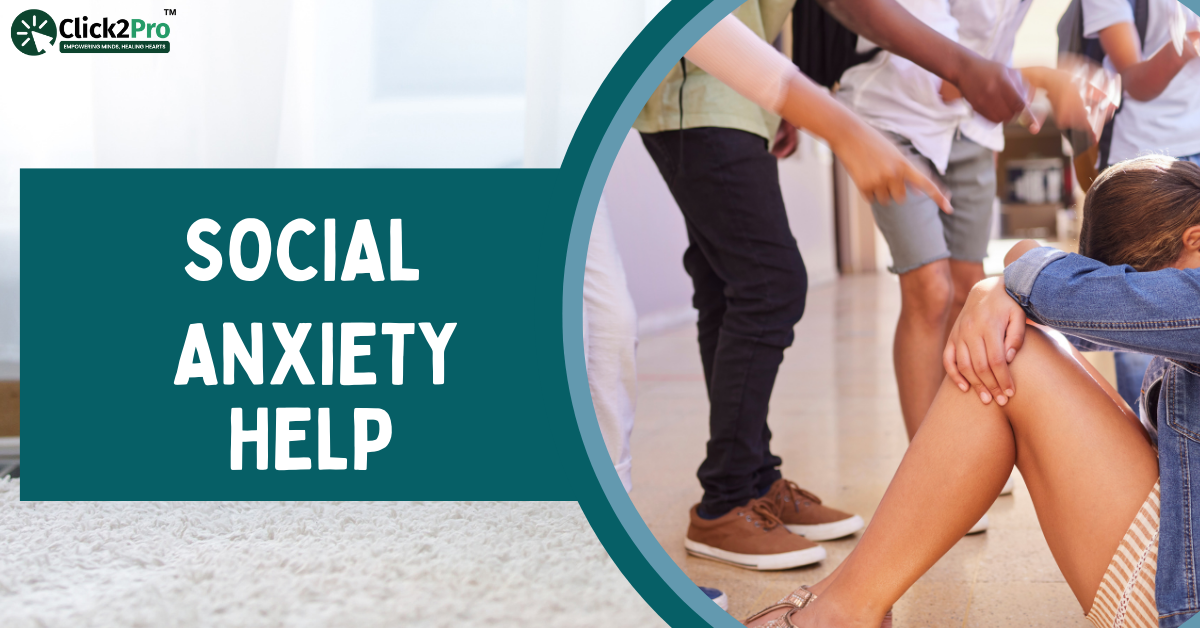
- Social Phobia (Social Anxiety Disorder): Hypnotherapy addresses the subconscious fears of judgment or embarrassment that often fuel social anxiety, helping people feel more confident and at ease in social situations.
- Specific Phobias (Spiders, Public Speaking, etc.): Whether it's a fear of animals like spiders (arachnophobia) or situations like public speaking, hypnotherapy customizes its approach to each unique phobia.
Scientific Backing for Hypnotherapy
Several studies have demonstrated the effectiveness of hypnotherapy in treating phobias. For example, a study published in the Journal of Consulting and Clinical Psychology found that 75% of patients with phobias who underwent hypnotherapy reported significant improvements in their symptoms after just a few sessions.
Another piece of research published in the International Journal of Clinical and Experimental Hypnosis reported that hypnotherapy helps reduce anxiety and fear by altering subconscious responses. This makes it particularly effective for phobias, which are often driven by deep-rooted emotions.
Case Study: Success with Hypnotherapy
Take the example of a woman from Burnpur who had a debilitating fear of driving (vehophobia) after being involved in a car accident. Traditional therapy offered her some relief, but she continued to avoid driving altogether. After just six sessions of hypnotherapy, she was able to get back behind the wheel and drive on highways without panic attacks.
Her therapist used a combination of relaxation techniques and positive suggestion to help her confront the trauma of the accident. Hypnotherapy worked by reducing her anxiety at the subconscious level, allowing her to face driving without overwhelming fear.
What Makes Hypnotherapy Effective?
There are several reasons why hypnotherapy stands out as an effective treatment for phobias:
Deep Access to the Subconscious Mind: Unlike traditional talk therapies that focus on conscious thoughts, hypnotherapy delves into the subconscious, where many phobias originate.
Long-Lasting Results: Because hypnotherapy rewires the mind’s reaction to phobia triggers, its results are often long-lasting, with minimal relapse rates.
Non-Invasive and Drug-Free: Hypnotherapy doesn’t involve medications, making it a safe option for those who want to avoid drug-related side effects.
For those in remote areas or with busy schedules, counselling online in India has become an accessible and effective option. You can find licensed hypnotherapists and psychologists offering remote sessions that are just as impactful as in-person consultations.
Is Hypnotherapy Right for You?
Hypnotherapy can be a powerful tool for overcoming phobias, but it’s essential to consult a certified hypnotherapist to ensure safe and effective treatment. For residents in places like Chitra or Hirapur, finding a qualified hypnotherapist nearby might be as easy as checking local directories or online reviews. Look for professionals who are licensed and have experience specifically in phobia treatment.
If you're seeking help for phobias but aren't sure where to start, consider consulting the best psychologist in India online. Many professionals offer virtual hypnotherapy sessions, ensuring you receive quality care from the comfort of your home.
How Many Sessions Will You Need?
The number of sessions required varies depending on the severity of the phobia and the individual's responsiveness to hypnosis. On average, most people see significant improvements within 4-6 sessions. However, some may require more sessions for deep-rooted phobias, while others may experience relief sooner.
Whether you are battling a fear of flying, social anxiety, or specific phobias, online therapy Asansol provides access to certified hypnotherapists who specialize in helping individuals overcome their deepest fears. Online counselling sessions provide a flexible and convenient way to overcome phobias, allowing you to seek help from experienced professionals without the need to travel or disrupt your daily routine.
FAQs
-
Can hypnotherapy cure phobias permanently?
Hypnotherapy can produce long-lasting results by altering the brain’s response to phobia triggers. Many people experience permanent relief after completing their hypnotherapy sessions, though occasional follow-up sessions might be necessary for maintenance.
-
Is hypnotherapy safe?
Yes, hypnotherapy is generally considered safe when performed by a licensed and certified hypnotherapist. It’s non-invasive, drug-free, and has no side effects.
-
How many hypnotherapy sessions do I need to overcome a phobia?
On average, most people need 4-6 sessions, but the number of sessions required can vary based on the individual’s progress and the severity of the phobia.
-
What types of phobias can hypnotherapy treat?
Hypnotherapy is effective for a wide range of phobias, including fear of flying, heights, social situations, and specific objects like spiders or needles.
-
Can anyone undergo hypnotherapy?
Hypnotherapy is generally suitable for most people. However, individuals with certain mental health conditions, such as schizophrenia or severe dissociative disorders, should consult a mental health professional before undergoing hypnotherapy.
Conlusion
If phobias are interfering with your daily life, hypnotherapy could be the solution you’ve been looking for. By targeting the subconscious mind, hypnotherapy offers a deeper and more effective approach than traditional therapies alone. Whether you're in Burnpur, Chitra, or Hirapur, the first step toward overcoming your phobia is reaching out to a certified hypnotherapist who can guide you through this transformative process.
Don't let fear hold you back—explore the potential of hypnotherapy today and reclaim control over your life.