Table of Contents
- Why Portable Brain Stimulation is Gaining Popularity
- How Does Portable Brain Stimulation Work?
- Advantages of Portable Brain Stimulation Compared to Traditional Treatments
- Who Can Benefit from Portable Brain Stimulation?
- Practical Tips for Incorporating Portable Brain Stimulation into Daily Life
- The Future of Portable Brain Stimulation Therapy
- Conclusion
- FAQs
With the growing global concern over depression and the demand for accessible treatments, portable brain stimulation therapy is emerging as a viable alternative for those seeking non-invasive, drug-free options. This approach offers new hope by allowing users to self-administer treatment, manage symptoms conveniently, and potentially integrate therapy into daily routines without the barriers typically associated with traditional mental health care.
Why Portable Brain Stimulation is Gaining Popularity
The flexibility of portable brain stimulation is a game-changer. Instead of attending regular sessions at a clinic, individuals can use these devices in the comfort of their homes. Studies, like one published by UTHealth Houston, show promising results: portable transcranial direct current stimulation (tDCS) devices have helped people with moderate to severe depression experience significant relief in symptoms over a 10-week period, with a remission rate more than double that of placebo groups. This safe, user-friendly option could be particularly effective in areas where mental health services are limited, such as small towns like Faizabad, India, where access to “online therapists near me” or in-person therapy might be limited.
How Does Portable Brain Stimulation Work?
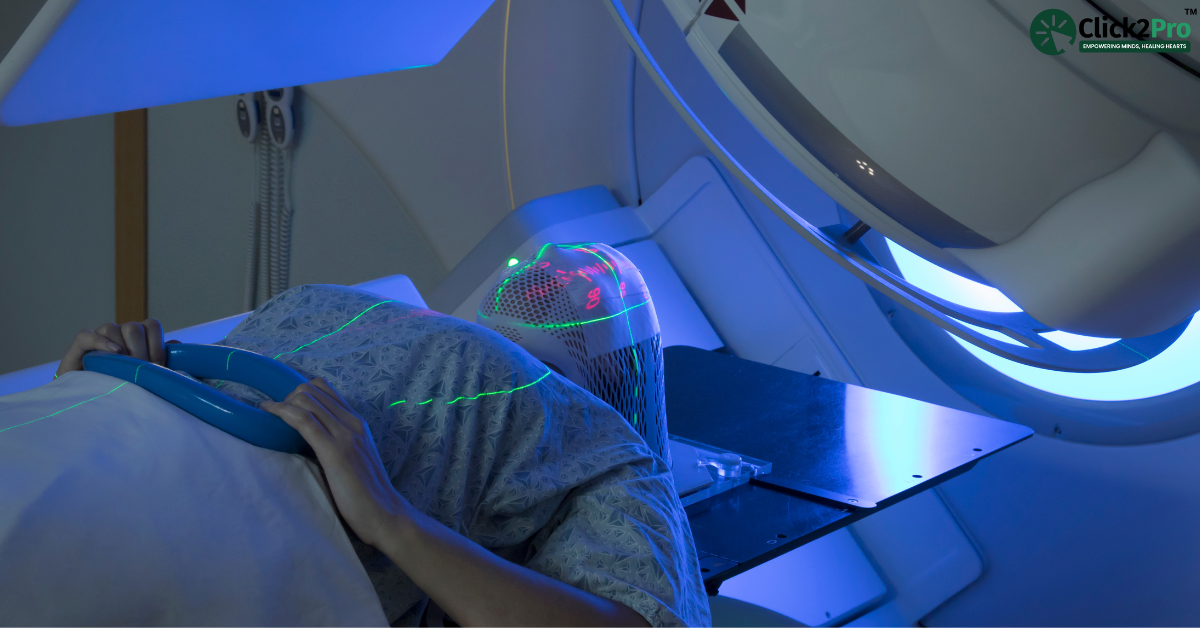
At the core of portable brain stimulation is tDCS, which involves using electrodes to deliver mild electrical currents to specific brain areas, primarily the prefrontal cortex, a region involved in mood regulation. This method works by altering neural activity and encouraging neuroplasticity, making it easier for the brain to develop new, healthier pathways. Devices like the Flow Neuroscience headset utilize this principle, combining electrical stimulation with guided behavioral support through mobile apps to enhance outcomes. Portable brain stimulation treatments have been shown to provide incremental improvements over time, especially for those with mild to moderate depression symptoms.
Advantages of Portable Brain Stimulation Compared to Traditional Treatments
Accessibility and Cost: One of the main advantages is the potential cost savings. Traditional antidepressant medication or clinic-based therapies can be expensive, whereas a portable device is a one-time investment.
Fewer Side Effects: Unlike medications, which can cause weight gain, insomnia, and other unwanted effects, portable tDCS has relatively few side effects—users may occasionally feel a tingling sensation or mild skin irritation.
Self-Empowerment: Portable devices put treatment in the hands of the user, allowing them to manage their mental health without waiting for appointments or adjusting to medication changes. This autonomy can be incredibly empowering, especially in smaller towns like Faizabad, where mental health services might be limited.
Who Can Benefit from Portable Brain Stimulation?
Portable brain stimulation can be beneficial for individuals with mild-to-moderate depression, those who have found traditional treatments insufficient, or individuals experiencing side effects from medication. In cases where direct access to mental health resources is limited, as in certain areas of Faizabad, these devices provide a bridge to essential care. However, it’s important for users to understand that results are gradual and typically require consistent use over several weeks for noticeable improvements. Also, this therapy is generally not suitable for individuals with neurological conditions like epilepsy or those with implanted devices.
Research Supporting Portable Brain Stimulation for Depression
Research from institutions like King’s College London and the National Institute of Mental Health (NIMH) has shown that non-invasive brain stimulation can effectively treat depression by targeting neural pathways responsible for mood regulation. A study from King’s College, which involved 174 participants, found a 44.9% remission rate in individuals using tDCS devices compared to a 21.8% rate in placebo groups. This data illustrates the potential of portable tDCS to provide similar therapeutic benefits as traditional treatments, with the added advantage of home use.
Such studies indicate that brain stimulation therapies hold promise for those who struggle with accessibility or have not responded to other treatments. These findings support that even in places where depression treatment infrastructure might be lacking, home-based options like portable brain stimulation could provide meaningful relief.
Practical Tips for Incorporating Portable Brain Stimulation into Daily Life
For those considering portable brain stimulation, here are a few tips to optimize the experience:
Create a Routine: Consistency is key for achieving results. Schedule daily or weekly sessions at a convenient time—such as in the morning or evening—to establish a habit.
Supplement with Lifestyle Changes: Complementing brain stimulation with lifestyle practices, like physical exercise and mindfulness, can amplify the benefits.
Follow Device Guidelines: Each device may have specific usage instructions, so it’s crucial to follow them to avoid overuse and maximize safety.
The Future of Portable Brain Stimulation Therapy
As technology advances, the scope of portable brain stimulation continues to grow. Future models may incorporate artificial intelligence to customize treatment settings based on individual response, potentially making therapy even more effective. Researchers are also exploring additional mental health applications, like anxiety and PTSD treatment, broadening the use of these devices beyond depression alone.
In regions like Faizabad, where there may be fewer mental health professionals available, future developments could make self-administered brain stimulation an increasingly valuable tool, particularly when “online therapists in Faizabad” or immediate access to in-person therapy isn’t feasible.
Conclusion
portable brain stimulation therapy presents a promising, accessible tool for managing depression symptoms, especially in areas where traditional mental health support may be limited. By combining convenience with clinical efficacy, these devices offer a way for individuals to take control of their mental health, reducing symptoms with fewer side effects than conventional treatments. Studies from respected institutions such as UTHealth Houston and King’s College London affirm its safety and effectiveness, especially for mild-to-moderate cases. With ongoing advancements and the potential to personalize treatments, portable brain stimulation could become a valuable component of self-managed mental health care in cities like Faizabad, where ease of access and flexible solutions are essential. For those exploring this therapy, adopting a consistent routine and integrating complementary lifestyle changes can further enhance results, offering a holistic, user-empowering path to mental wellness.
FAQs
1.Is portable brain stimulation therapy safe for depression?
Portable brain stimulation, particularly tDCS, has been widely researched and found to be safe for treating depression. Devices designed for home use have minimal side effects, such as mild skin tingling, and have shown significant benefits for mild-to-moderate depression.
2.How effective is portable brain stimulation for managing depression symptoms?
Studies indicate that portable brain stimulation devices are effective, with some users experiencing substantial relief from depressive symptoms within weeks. This effectiveness, however, may vary based on individual factors and consistent usage.
3.Can I use portable brain stimulation alongside other depression treatments?
Yes, many users benefit from combining portable brain stimulation with traditional treatments like talk therapy or medication. However, it’s always best to consult with a healthcare provider before beginning any new therapy regimen.
4.How quickly can one expect results from portable brain stimulation?
Results can vary, but many users report gradual improvements within the first few weeks. Full effects are typically seen after consistent use for a month or longer.
5.What are the long-term risks of using portable brain stimulation?
Current research has not identified significant long-term risks associated with portable brain stimulation when used as directed. However, as with any medical device, it’s essential to follow usage guidelines and consult with professionals if concerns arise.