Table of Contents
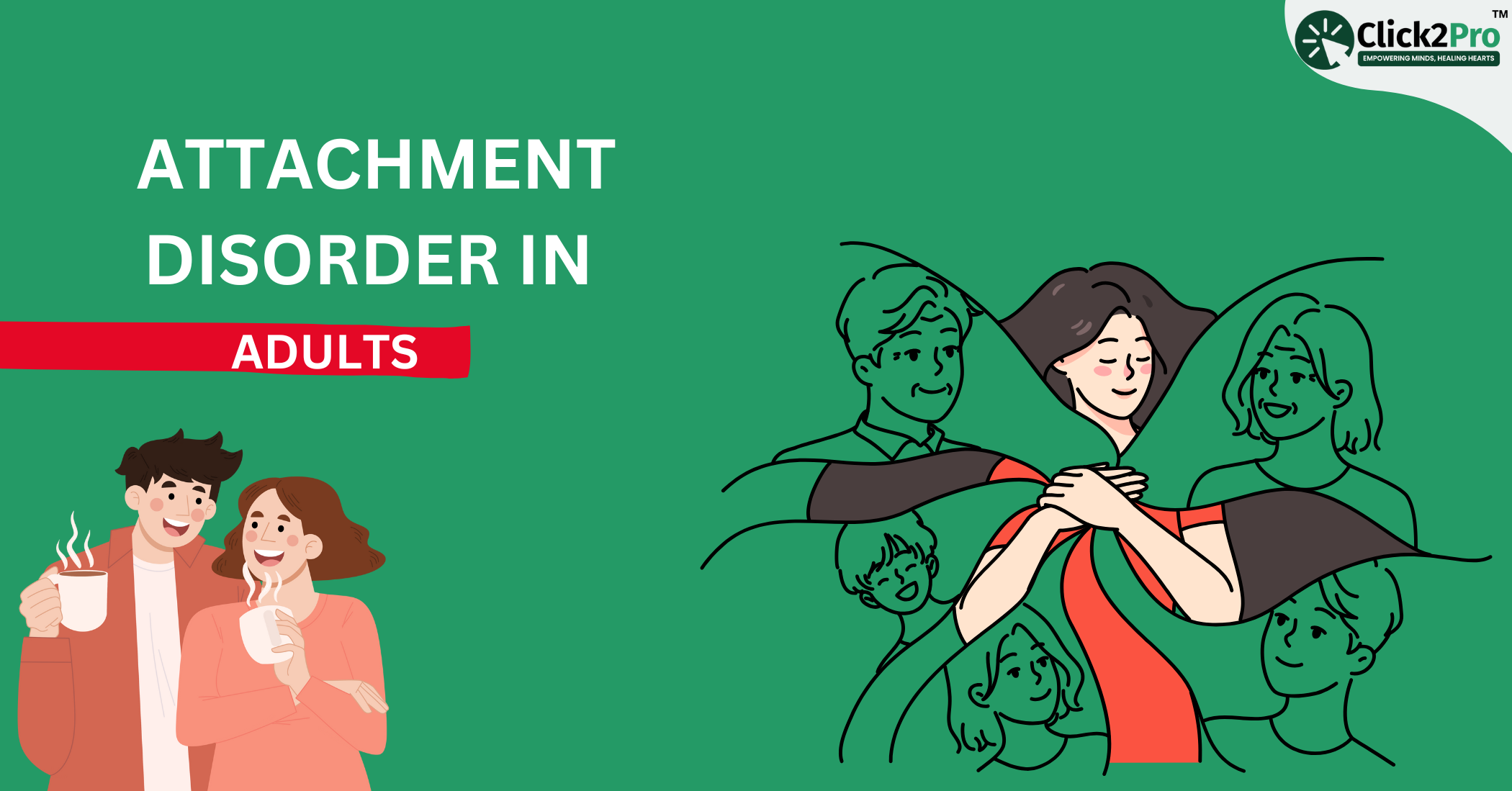
Reactive Attachment Disorder (RAD) in adults is a profound psychological condition stemming from early childhood attachment disruptions. While RAD is often associated with children, its repercussions extend well into adulthood, severely impacting emotional health, relationships, and career stability. Adults with RAD experience unique challenges such as difficulty trusting others, fear of abandonment, and emotional detachment, which often lead to strained relationships and social isolation.
In India, where mental health awareness is still evolving, the accessibility of online counselling in India provides an invaluable avenue for adults to address these challenges discreetly and effectively. Therapy tailored to specific needs has proven to rebuild trust and emotional connections, empowering individuals to regain control of their lives.
In fast-paced urban environments like Ludhiana, where societal expectations and competitive work cultures prevail, the symptoms of RAD can become more pronounced. Research shows that attachment disruptions in childhood resulting from neglect, inconsistent caregiving, or traumatic events lay the foundation for this disorder in adulthood. Despite its complexity, RAD is manageable with the right therapeutic interventions, including trauma-informed therapy and Cognitive Behavioral Therapy (CBT).
This blog delves into the signs, challenges, and strategies for managing RAD in adults while highlighting the mental health landscape of Ludhiana and India, offering data-backed insights, professional resources, and actionable strategies to help individuals rebuild trust and emotional connections.
What is Reactive Attachment Disorder (RAD) in Adults?
Reactive Attachment Disorder arises from disruptions in early emotional bonds, often due to neglect or traumatic experiences. For adults, RAD manifests as:
Emotional detachment.
Difficulty forming meaningful relationships.
Hyper-sensitivity to criticism or rejection.
Reactive Attachment Disorder is a complex condition that emerges from early attachment disruptions, significantly influencing adult relationships, emotional health, and career growth. Addressing the root causes of RAD through therapies like trauma-focused counselling can help individuals rebuild emotional bonds and trust. Therapy services tailored to RAD, like those offered by Click2Pro, provide a supportive environment to work through these challenges effectively.
Scientific Perspective
John Bowlby’s attachment theory emphasizes how early caregiving influences long-term emotional health. International studies, including those by the American Psychological Association, highlight RAD’s overlap with conditions such as PTSD and Borderline Personality Disorder (BPD) but differentiate RAD based on its unique roots in childhood attachment issues.
Recognizing the Signs of RAD in Adults
Adults with RAD often display subtle yet impactful symptoms. These include:
Fear of Abandonment: Difficulty trusting others or maintaining emotional intimacy.
Avoidance of Vulnerability: Emotional aloofness or extreme clinginess in relationships.
Misinterpreting Social Cues: Leading to conflicts at work or strained friendships.
The signs of Reactive Attachment Disorder in adults, such as emotional detachment, mistrust in relationships, and fear of abandonment, can often go unnoticed but have profound implications for daily life. Recognizing these signs early is crucial for seeking appropriate interventions like Cognitive Behavioral Therapy (CBT) or trauma-informed therapy, both of which address underlying emotional triggers and help individuals regain control of their lives.
Expert Insight:
Psychologists like John Bowlby and Mary Ainsworth, through their work on attachment theory, explain how unresolved early experiences shape adult behavior. Therapy with a therapist near me can address these underlying emotional patterns and provide coping mechanisms tailored to cultural contexts like India’s.
Daily Life Impacts
In cities like Ludhiana, where fast-paced lifestyles dominate, RAD symptoms can worsen due to limited emotional support. For example, a professional from areas like Chandigarh Road may avoid team collaborations due to mistrust, impacting career growth.
|
Symptom |
Impact on Life |
|
Fear of Abandonment |
Strained romantic and familial ties |
|
Emotional Detachment |
Difficulty forming friendships |
|
Misinterpreting Cues |
Workplace conflicts, social isolation |
Challenges Adults with RAD Face
Impact on Relationships
- Partners may feel emotionally “shut out” or overly needed.
- Joint family dynamics, common in India, often exacerbate feelings of isolation for individuals with RAD.
Mental Health Struggles
- Increased susceptibility to anxiety, depression, and substance abuse.
- RAD’s co-occurrence with conditions like social anxiety and Obsessive-Compulsive Disorder (OCD) further complicates treatment.
Career Challenges
- Fear of criticism often leads to job stagnation.
- In Ludhiana’s industrial hubs, professionals with RAD may avoid leadership roles due to low self-esteem.
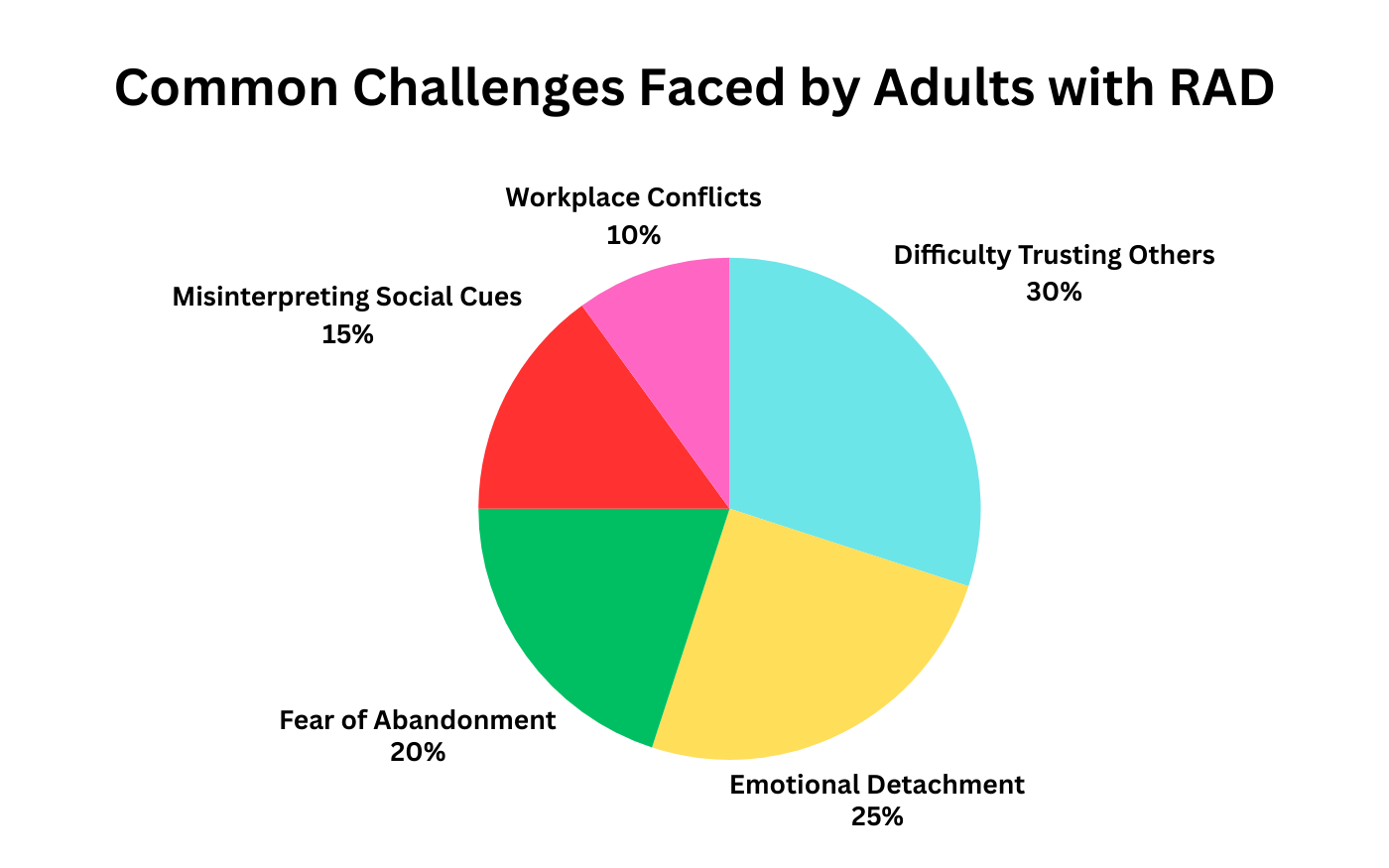
Visual Insight: Common Challenges of RAD in Adults
To provide a clear understanding of the prevalence of RAD symptoms, the pie chart below breaks down the most common challenges faced by adults with RAD:
-
Difficulty Trusting Others (30%)
-
Emotional Detachment (25%)
-
Fear of Abandonment (20%)
-
Misinterpreting Social Cues (15%)
-
Workplace Conflicts (10%)
Mental Health Resources in Ludhiana and India
Government Initiatives
- District Mental Health Programme (DMHP): Provides free counselling and psychiatric services.
- Ayushman Bharat Scheme: Covers mental health treatments under health insurance.
Local NGOs and Support Groups
- Organizations in Ludhiana (e.g., Shastri Nagar) offer workshops on emotional resilience and trust-building.
- National NGOs like The Live Love Laugh Foundation actively combat stigma around mental health.
University Reports and Data
- Reports from NIMHANS highlight a 30% increase in adult attachment disorders in urban areas.
- International research, including WHO reports, emphasizes the link between urban stressors and mental health.
Coping Strategies for Reactive Attachment Disorder
Therapeutic Interventions
Trauma-Informed Therapy:
- Helps patients reframe early attachment disruptions.
- Available through platforms like Click2Pro, offering online counselling for discreet therapy.
Cognitive Behavioral Therapy (CBT):
Focuses on identifying negative thought patterns and reframing them.
Group Therapy:
Builds social trust through shared experiences.
Self-Help Techniques
- Journaling: Tracking emotional triggers and growth over time.
- Mindfulness Practices: Managing emotional detachment through meditation.
- Setting Boundaries: Avoiding toxic relationships and creating safe spaces.
Comparison of RAD in India vs. Other Countries
|
Aspect |
India |
Global |
|
Cultural Stigma |
High, limiting therapy access |
Lower in Western nations |
|
Therapy Availability |
Growing but localized |
More widespread |
|
Social Support |
Family-centric but can hinder independence |
Individual-focused |
Success Stories: Rebuilding Lives
Case Study: Meera (Name Changed)
Background: A 34 year-old from Gill Road, Ludhiana, struggled with RAD symptoms, including mistrust and emotional detachment.
Intervention: Through trauma-informed therapy at Click2Pro, Meera learned to build emotional connections and reestablish trust.
Outcome: Today, Meera mentors others facing similar struggles.
FAQs
1.What are the signs of RAD in adults?
Fear of abandonment, emotional detachment, and mistrust in relationships are common signs.
2.Can RAD in adults be treated?
Yes, through therapies like CBT and trauma-focused counselling. Platforms like Click2Pro offer effective options.
3.How does RAD affect daily life?
RAD often leads to strained relationships, workplace conflicts, and emotional isolation.
4.Are there government resources for RAD in India?
Yes, initiatives like the DMHP and Ayushman Bharat cover mental health support.
5.How is RAD different from PTSD?
While both involve trauma, RAD stems from early attachment disruptions, unlike PTSD, which results from specific traumatic events.
Conclusion
Reactive Attachment Disorder in adults is a challenging yet manageable condition. By understanding the signs and seeking professional help, individuals can lead fulfilling lives. Platforms like Click2Pro offer expert-guided therapy to rebuild trust and emotional bonds, empowering adults with RAD to overcome their struggles.