Table of Contents
- How Reactive Attachment Disorder Therapy Works
- Initial Assessment – Building a Roadmap for Recovery
- Building Trust – The Foundation of Therapy
- Therapy Techniques – Tools for Healing and Growth
- Caregiver Education and Ongoing Support
- Evaluating Progress – Measuring Healing Over Time
- Challenges Families Might Face During Therapy
- FAQs
- Conclusion
Reactive Attachment Disorder (RAD) is a deeply challenging condition that affects not only the child experiencing it but also their family. It’s a condition that can strain emotional bonds, cause disruptive behavior, and make daily life unpredictable. For families in Changlang, a serene town surrounded by lush greenery, access to expert help can make all the difference in navigating this difficult journey. Here’s a step-by-step guide to what you can expect from RAD therapy and how it helps children and families rebuild trust and connection.
How Reactive Attachment Disorder Therapy Works
Reactive Attachment Disorder therapy is not a one-size-fits-all approach. It’s a highly personalized process designed to address specific emotional, behavioral, and psychological challenges. Therapy focuses on three key aspects:
-
Helping children feel safe and secure.
-
Building or repairing trust between the child and caregivers.
-
Equipping families with tools to manage challenging behaviors.
Therapists often incorporate a variety of techniques, including attachment-based therapy, play therapy, and trauma-focused interventions, each tailored to the child’s needs.
Initial Assessment – Building a Roadmap for Recovery
The journey begins with an in-depth assessment. Therapists work closely with caregivers to explore the child’s history, observe behaviors, and understand attachment issues. In Changlang, where community ties are strong, therapists often consider cultural and social factors during assessments.
During this stage, caregivers might feel overwhelmed as they recount difficult histories or describe disruptive behaviors. However, this step is crucial to create a personalized therapy plan. Therapists may use diagnostic tools like interviews, observational assessments, and questionnaires to pinpoint the areas needing the most attention.
For families unable to access local therapy sessions, online counselling in India has become an effective alternative. Platforms like Click2Pro connect families in remote areas like Changlang with top mental health experts, bridging gaps in access to care.
Building Trust – The Foundation of Therapy
Many children with RAD struggle with trusting caregivers or therapists. They may resist affection or show aggression when comfort is offered. The first few sessions focus on creating a safe, judgment-free environment where the child feels secure.
In Changlang’s close-knit communities, caregivers are often deeply involved in therapy sessions. Therapists guide parents to:
-
Recognize and respond to emotional triggers.
-
Use consistent routines to foster stability.
-
Develop a non-reactive approach to challenging behaviors.
Caregiver involvement isn’t just encouraged—it’s essential. Studies show that children progress faster when their caregivers are actively participating in their therapy journey.
Therapy Techniques – Tools for Healing and Growth
RAD therapy incorporates several techniques to address the child’s specific needs. Here's a closer look:
Attachment-Based Therapy
This approach focuses on building secure attachments by improving communication between the child and their caregivers. Therapists teach parents how to be emotionally responsive and consistent.
Cognitive Behavioral Therapy (CBT)
CBT helps children challenge negative thought patterns and replace them with healthier ways of thinking. For instance, a child who believes “I can’t trust anyone” might learn to identify situations where trust is safe.
Play Therapy
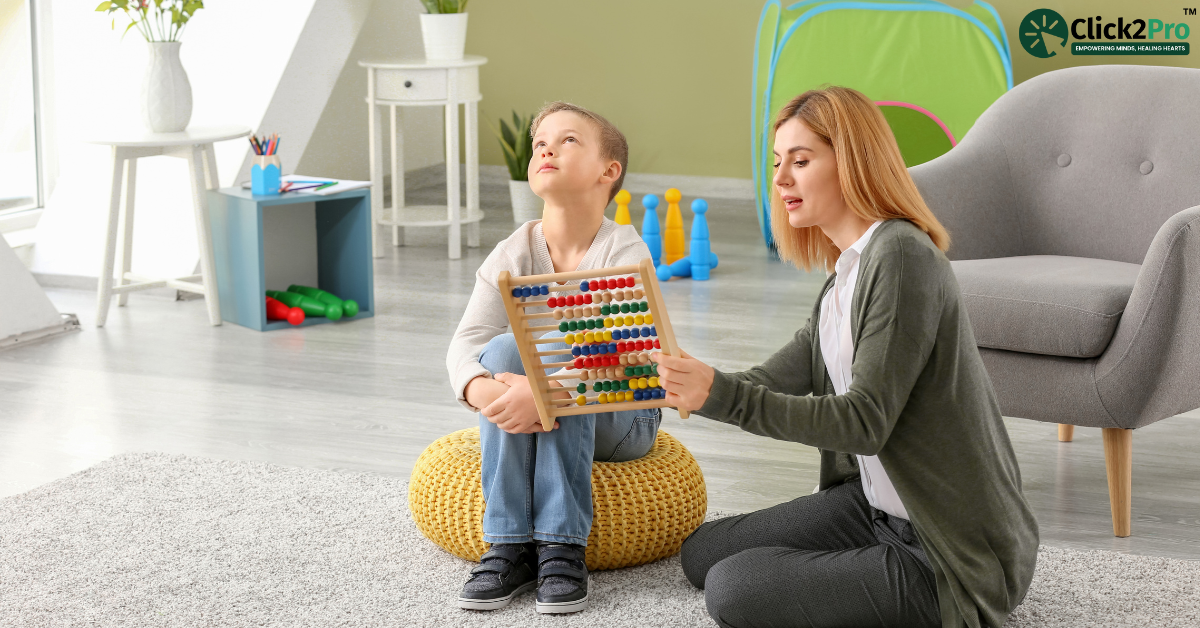
Through creative activities, children express emotions they may not have the words for. Play therapy can be especially effective in Changlang’s natural setting, where outdoor play can be incorporated into sessions.
Family Therapy
Family sessions focus on improving communication and resolving conflicts. In a setting like Changlang, where families often live in close quarters, this therapy can create lasting harmony.
For families who can’t access in-person therapy, online counselling India offers virtual family therapy sessions, making it easier for caregivers in remote areas to participate.
Caregiver Education and Ongoing Support
One of the most important aspects of RAD therapy is empowering caregivers. Parents and guardians are trained to:
-
Recognize early signs of emotional distress.
-
Respond with empathy and patience.
-
Implement strategies to manage tantrums or aggression.
Changlang’s strong community values often mean that extended family members also play a role in caregiving. Therapists may include them in sessions, ensuring consistent approaches across the household.
Evaluating Progress – Measuring Healing Over Time
Therapists regularly evaluate progress through behavioral observations and caregiver feedback. Success isn’t measured by a complete disappearance of symptoms but by gradual improvements in emotional connection, trust, and social interactions.
In one case from a family in Changlang, a child who initially refused hugs or eye contact began seeking comfort during moments of distress. Small milestones like these signal significant healing and are celebrated as part of the therapeutic process.
Challenges Families Might Face During Therapy
It’s important to set realistic expectations. RAD therapy is a long-term commitment that requires patience, consistency, and emotional resilience. Families in Changlang often face unique challenges, such as limited access to specialized therapists. However, with growing options like online counselling in India, even these obstacles can be overcome.
Supporting Families Through Therapy: A Click2Pro Approach
At Click2Pro, we recognize the importance of culturally sensitive care. For families in Changlang, our approach includes:
-
Providing resources tailored to the region’s specific challenges.
-
Offering flexible options like teletherapy for accessibility.
-
Connecting families with expert therapists who specialize in RAD.
For families in Changlang seeking expert care, a quick search for a psychologist near me can lead to finding local or online resources like Click2Pro, ensuring personalized therapy solutions even in remote areas.
FAQs
-
What therapy is best for reactive attachment disorder?
Attachment-based therapy, when combined with trauma-focused interventions, is the gold standard for treating RAD. It addresses the root causes of the disorder while helping children build trust with caregivers.
-
How long does RAD therapy take?
Therapy duration varies. Most children see progress within 6–12 months, but complex cases may require years of support.
-
Can online counselling work for RAD?
Yes, online counselling in India has proven effective, especially for families in remote areas like Changlang. Virtual sessions allow caregivers to access expert guidance from the comfort of home.
-
How involved are parents in RAD therapy?
Caregiver involvement is crucial. Therapists often coach parents to respond with empathy and consistency, ensuring long-term success.
-
What happens if RAD is left untreated?
Untreated RAD can lead to long-term challenges like chronic anxiety, relationship difficulties, and behavioral issues. Early intervention is essential for better outcomes.
Conclusion
Reactive Attachment Disorder therapy is a transformative journey for children and their families. It’s a process that requires dedication, patience, and the willingness to seek help. For families in Changlang, the peaceful surroundings and access to resources like Click2Pro make it possible to navigate this path with hope and confidence.
Whether through in-person sessions or online counselling in India, the goal remains the same: to help children heal, rebuild trust, and form meaningful connections with those who care for them.