Table of Contents
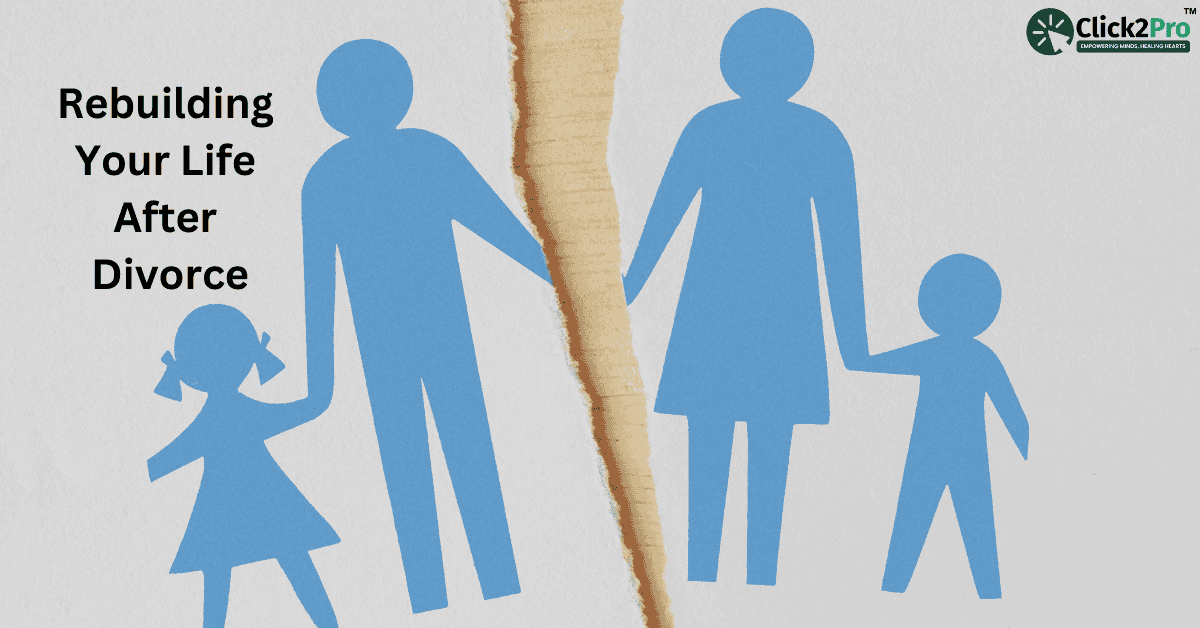
Divorce can be one of the most challenging experiences in life, leaving you feeling lost, hurt, and unsure of what comes next. The end of a marriage signifies the closing of one chapter, but it also opens the door to a new beginning. In this article, we’ll explore practical steps and strategies for rebuilding your life after divorce, helping you move forward with confidence and hope.
Divorce is not just a legal separation; it's an emotional and psychological journey that requires significant adjustment. Life after divorce can feel like a maze of emotions, ranging from grief and anger to relief and hope. Understanding how to rebuild after divorce is crucial to regaining control of your life and starting over in a healthy, fulfilling way. Whether you're coping with divorce now or preparing to start over after divorce, this guide will provide actionable advice to help you navigate this new chapter with resilience and grace.
The Emotional Impact of Divorce
Divorce is often compared to the grieving process, as it involves the loss of a significant relationship and the future you had envisioned. The emotional impact can be profound, affecting not only your mental health but also your physical well-being.
Common Emotional Stages:
-
Denial: Struggling to accept that the marriage is over.
-
Anger: Feeling betrayed, resentful, or frustrated.
-
Bargaining: Wishing you could change the outcome or reverse decisions.
-
Depression: Experiencing deep sadness, loneliness, or despair.
-
Acceptance: Coming to terms with the end of the marriage and beginning to look forward.
Coping Mechanisms:
-
Journaling: Writing down your thoughts and feelings can help process emotions.
-
Seeking Support: Talking to friends, family, or a therapist can provide comfort and perspective.
-
Self-Care: Prioritize activities that nurture your body and mind, such as exercise,, and hobbies.
Practical Steps to Rebuild Your Life After Divorce
Rebuilding after divorce requires both emotional healing and practical steps to regain control of your life. Here are some strategies to help you move forward:
Step 1: Embrace Change Change is inevitable after a divorce, and embracing it is key to starting over. Accept that life will be different and that these changes can lead to new opportunities.
-
Reframe Your Perspective: View divorce as a chance to reinvent yourself and create the life you want.
-
Set New Goals: Focus on what you want to achieve in the short and long term, whether it's career growth, personal development, or new hobbies.
Step 2: Rebuild Your Identity Marriage often involves merging identities, and after divorce, it's essential to rediscover who you are as an individual.
-
Explore New Interests: Try out activities you’ve always wanted to pursue, such as travel, art, or sports.
-
Reconnect with Old Passions: Revisit hobbies or interests you may have set aside during your marriage.
-
Personal Growth: Consider therapy, self-help books, or workshops that focus on personal development and self-discovery.
Step 3: Establish Financial Independence Financial stability is a critical aspect of post-divorce recovery. Taking control of your finances can help you feel more secure and independent.
-
Create a Budget: Outline your income, expenses, and savings goals to manage your finances effectively.
-
Seek Financial Advice: Consult a financial planner or advisor to help with investments, retirement planning, and debt management.
-
Enhance Your Career: Consider further education, certifications, or job training to improve your employability and income potential.
Step 4: Create a Support System No one should go through divorce alone. Building a strong support network can provide emotional and practical help as you navigate this transition.
-
Lean on Friends and Family: Surround yourself with people who uplift and support you.
-
Join Support Groups: Consider joining divorce support groups, either in-person or online, to connect with others who understand what you’re going through.
-
Professional Help: Don’t hesitate to seek therapy or counselling to work through complex emotions and challenges.
Rebuilding Your Social Life
Divorce can disrupt your social life, but it also offers a chance to forge new connections and strengthen existing ones.
Reconnecting with Friends:
-
Reach Out: Don’t be afraid to reconnect with old friends you may have lost touch with during your marriage.
-
Plan Social Activities: Engage in social activities that interest you, such as joining clubs, attending events, or volunteering.
Dating After Divorce:
-
Take Your Time: There’s no rush to start dating again. Focus on healing and self-discovery first.
-
Set Boundaries: When you’re ready, establish clear boundaries and take things slow to ensure a healthy relationship dynamic.
-
Be Open-Minded: Approach new relationships with an open mind, but stay true to your values and needs.
Focusing on Mental and Physical Health
Your well-being is a cornerstone of post-divorce recovery. Focusing on both mental and physical health can help you build resilience and stay positive.
Mental Health:
-
Therapy: Consider therapy to work through unresolved emotions and develop coping strategies.
-
Mindfulness Practices: Techniques like, deep breathing, and mindfulness can reduce stress and improve emotional balance.
-
Self-Care Routine: Establish a self-care routine that includes relaxation, hobbies, and activities that bring you joy.
Physical Well-being:
-
Regular Exercise: Physical activity is not only good for your body but also boosts your mood and reduces anxiety.
-
Balanced Diet: Eating nutritious meals can help maintain your energy levels and overall health.
-
Adequate Sleep: Ensure you get enough sleep to support your mental and physical recovery.
Setting New Goals for the Future
Setting new goals can give you a sense of direction and purpose after divorce. Whether they’re related to personal growth, career, or relationships, goals can help you move forward with clarity.
Short-term Goals:
-
Daily or Weekly Tasks: Focus on small, manageable tasks that can boost your confidence and motivation.
-
Skill Development: Consider learning new skills or improving existing ones to enhance your personal and professional life.
Long-term Goals:
-
Vision for the Future: Create a vision board or write down your long-term aspirations, such as starting a new career, traveling, or buying a home.
-
Planning for Success: Break down long-term goals into smaller steps and track your progress to stay motivated.
Legal and Logistical Considerations
Divorce involves various legal and logistical tasks that need to be addressed to ensure a smooth transition.
Finalizing Legal Matters:
-
Complete Legal Requirements: Ensure that all legal aspects of the divorce are finalized, including custody agreements, property division, and name changes.
-
Organize Documents: Keep all legal and financial documents organized and accessible for future reference.
Reorganizing Life Logistics:
-
Update Personal Information: Update your address, beneficiaries, and other important details with banks, employers, and government agencies.
-
Create a New Routine: Establish a daily routine that reflects your new life and priorities.
Overcoming Common Post-Divorce Challenges
Divorce can bring about specific challenges that require proactive strategies to overcome.
Loneliness and Isolation:
-
Social Connections: Stay connected with friends, family, and support groups to avoid feeling isolated.
-
New Activities: Engage in activities that bring you joy and allow you to meet new people.
Co-Parenting Tips:
-
Communicate Clearly: Establish clear communication with your ex-spouse regarding co-parenting responsibilities.
-
Focus on the Children: Keep the well-being of your children as the top priority and avoid involving them in conflicts.
Dealing with Triggers:
-
Identify Triggers: Recognize situations, people, or places that trigger negative emotions and develop coping strategies.
-
Practice Self-Compassion: Be kind to yourself during difficult moments and remember that healing is a process.
Inspirational Stories of Rebuilding After Divorce
Hearing stories of others who have successfully rebuilt their lives after divorce can provide motivation and hope.
Case Studies:
-
Real-Life Examples: Share stories of individuals who have navigated the challenges of divorce and found happiness and fulfillment on the other side.
-
Lessons Learned: Highlight key takeaways from these stories that readers can apply to their own lives.
Conclusion
Rebuilding your life after divorce is a journey that requires time, effort, and self-compassion. By embracing change, rediscovering yourself, and taking practical steps to move forward, you can create a fulfilling and happy life after divorce. Remember, every ending is also a new beginning.
Author
Poornima Tripathi is a senior Psychologist at Click2Pro, with over 15 years of experience in the field of mental health and wellness. She specializes in helping individuals navigate challenging life transitions, such as divorce, grief, and major life changes. Poornima is known for her compassionate approach, combining evidence-based therapies with personalized care to support her clients' emotional and psychological well-being.
Her expertise spans cognitive-behavioral therapy (CBT), mindfulness practices, and stress management techniques, which she effectively integrates into her therapeutic work. Poornima is dedicated to empowering her clients to rebuild their lives with resilience and confidence, guiding them through difficult periods with empathy and professional insight.
In addition to her clinical practice, Poornima is a sought-after speaker and writer, contributing to various publications on topics related to mental health, personal growth, and emotional recovery. Her work is grounded in the principles of expertise, authoritativeness, and trustworthiness (EEAT), ensuring that her advice is not only practical but also rooted in scientific evidence and professional experience.
FAQS:
-
Who loses the most in a divorce?
In a divorce, both parties experience significant losses, but the impact varies depending on individual circumstances. Financially, those with lower earning potential or those who have been out of the workforce may face more challenges. Emotionally, individuals who were not prepared for the divorce or who were deeply invested in the relationship might feel a greater sense of loss. However, it's important to note that each divorce is unique, and the "loss" can be subjective, encompassing financial stability, emotional well-being, or social connections.
-
Who regrets divorce more?
Regret after divorce varies widely, but studies suggest that men tend to experience regret more frequently, particularly if they were not the initiators of the divorce. Women, especially those who initiated the divorce, are often more likely to report feeling relief and empowerment after ending a marriage. However, regret can depend on many factors, including the reasons for the divorce, the quality of life post-divorce, and the support systems available.
-
Who is happier after divorce?
Research indicates that many individuals report increased happiness after divorce, particularly if the marriage was characterized by conflict or dissatisfaction. Women, in particular, often report greater happiness post-divorce, finding more freedom and self-discovery. However, happiness after divorce depends on factors like personal resilience, social support, and the ability to rebuild one's life positively.
-
Are 2nd marriages more successful?
Second marriages have a higher rate of divorce compared to first marriages, with about 60-67% ending in divorce. However, this doesn't necessarily mean they are less successful. Success in a second marriage often depends on lessons learned from the first marriage, improved communication, and realistic expectations. Couples who are more aware of what they want and need from a relationship may find greater success in subsequent marriages.
-
Is divorce shameful?
Divorce is no longer seen as shameful in most modern societies. While cultural or religious views might still stigmatize divorce, the broader social perception has shifted to recognize it as a personal choice and sometimes a necessary step for individual well-being. The focus today is more on personal happiness, health, and the ability to live a fulfilling life, rather than staying in an unhappy or unhealthy marriage.
-
Who ends up better after divorce?
Who ends up better after divorce largely depends on the individual and their circumstances. Those who take proactive steps to heal, rebuild their lives, and pursue personal growth often find themselves in a better position emotionally, financially, and socially. Women, in particular, are often reported to fare better post-divorce, especially when they have strong support systems and financial independence. However, both men and women can thrive after divorce if they focus on self-improvement and rebuilding their lives positively.