Table of Contents
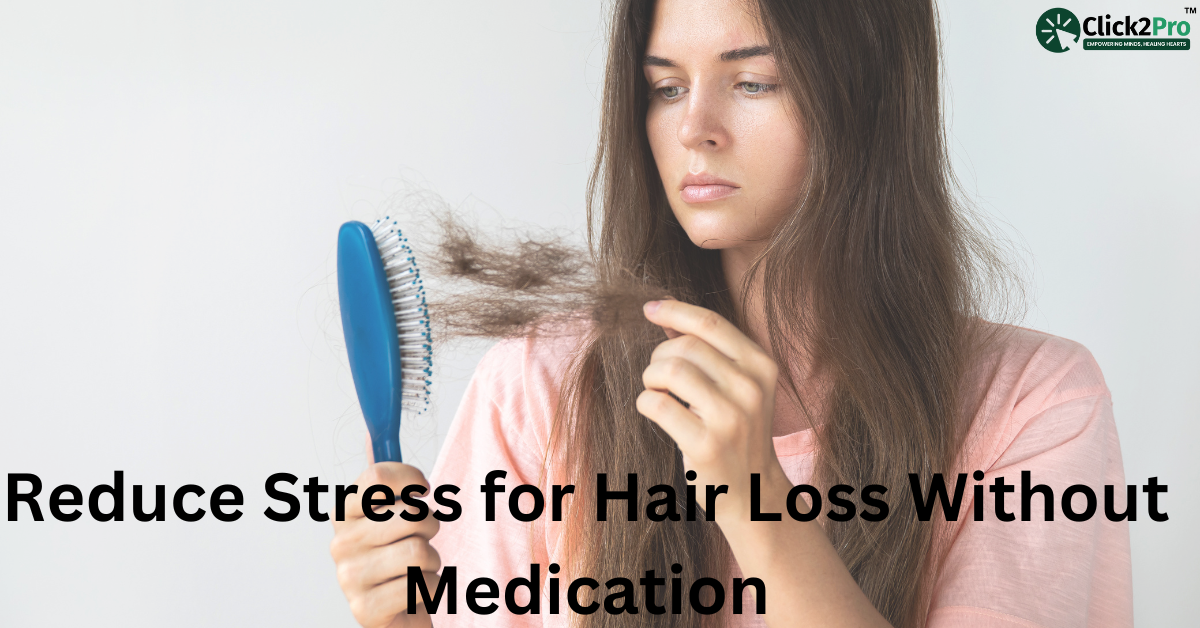
Hair loss is a distressing experience for many, and often, stress plays a significant role in accelerating the process. In cities like Chennai, where daily life comes with its fair share of challenges, including traffic, work pressure, and environmental stressors like humidity, managing stress is crucial not only for mental well-being but also for physical health, including hair. This blog explores how to reduce stress-induced hair loss without medication, using holistic methods that fit naturally into your lifestyle.
The Stress-Hair Loss Connection
Hair loss due to stress is a well-documented phenomenon. Conditions like telogen effluvium, where stress pushes hair follicles into a resting phase prematurely, are increasingly common. Although Chennai’s bustling lifestyle might add to the daily stress load, taking proactive steps can reduce both stress and hair loss. The key is to manage stress using natural, non-medicated methods, which can gradually restore the hair growth cycle.
Natural Ways to Reduce Stress for Hair Health
Stress-Relieving Activities
Many people in Chennai turn to natural practices like yoga and meditation to combat the stresses of city life. Both activities are proven to reduce cortisol levels, the primary hormone responsible for stress. Incorporating these practices into your daily routine can offer a dual benefit: stress relief and improved hair health.
Yoga and Meditation: Mind-body practices such as yoga not only help calm the mind but also promote better circulation. Regular meditation helps regulate cortisol levels, reducing the stress that can lead to hair loss. In areas like Besant Nagar, yoga centers offer a quiet escape from city life where you can unwind and refocus your energy.
Breathing Exercises: Deep breathing techniques, such as pranayama, can be easily practiced at home. These exercises promote oxygen flow to the scalp, which is essential for hair follicle health. They are simple yet effective tools for managing daily stress.
Lifestyle Adjustments to Control Stress
A well-balanced lifestyle can go a long way in reducing stress-related hair loss. Lifestyle changes don’t have to be drastic; even small adjustments can make a significant difference.
Exercise and Physical Activity: Chennai offers numerous avenues for fitness, from beachside jogging on Marina Beach to walking in Anna Nagar Tower Park. Regular physical activity not only improves blood flow to the scalp but also releases endorphins—nature’s stress relievers. Engaging in regular exercise can reduce anxiety and prevent stress from affecting your hair growth cycle.
Improved Sleep Habits: Stress can wreak havoc on your sleep patterns, and poor sleep, in turn, increases stress levels—a vicious cycle that further aggravates hair loss. Aim for at least 7-8 hours of restful sleep each night. To improve sleep quality, try to establish a bedtime routine, avoid late-night caffeine, and create a calming environment free from distractions.
Nutritional Adjustments to Reduce Stress and Support Hair Growth
Stress management isn’t just about mindset—it also involves what we eat. A healthy diet rich in nutrients can help manage stress levels and promote hair health at the same time.
Anti-Stress Diet: Consuming foods rich in omega-3 fatty acids, such as walnuts, flaxseeds, and fish, can help reduce inflammation caused by stress. Vitamin B-complex, found in foods like eggs, leafy greens, and avocados, plays a significant role in managing the body's stress response. Including antioxidants in your diet can combat the oxidative stress that affects hair follicles. You can easily source these foods at Chennai's famous local markets, like Koyambedu Market.
Herbal Supplements: Adaptogens like ashwagandha and holy basil (tulsi) are widely known for their stress-relieving properties. They help regulate cortisol levels naturally, which can prevent stress from affecting your hair. Herbal teas such as chamomile or lavender can also provide calming effects that support both mental well-being and hair health.
Self-Care for Stress Reduction and Hair Growth
Taking care of yourself can have a profound effect on your stress levels and overall health, including hair health. Simple, daily self-care practices can reduce anxiety and improve your scalp’s condition, which is essential for healthy hair growth.
Scalp Massage: Scalp massages stimulate blood circulation to the hair follicles, promoting healthy hair growth. In Chennai, traditional practices often include using coconut oil for these massages, which not only soothes the scalp but also helps reduce stress. Adding a few drops of essential oils like lavender or peppermint can further enhance the relaxing effects. Massaging your scalp before bed can help you unwind and sleep better.
Aromatherapy: Incorporating aromatherapy into your self-care routine is another simple yet effective method to reduce stress. Essential oils like lavender, rose, and sandalwood, widely available in local Chennai stores, are known for their calming properties. You can use a diffuser in your home or add a few drops of oil to your bath for a calming effect that helps lower stress and supports hair health.
Emotional Wellness Practices to Combat Stress
Emotional well-being plays a critical role in managing stress, and by extension, hair loss. In Chennai’s fast-paced environment, finding moments of peace and emotional balance can be difficult but essential.
Journaling: One effective method of stress relief is journaling. Writing down your thoughts and feelings can help you gain clarity and reduce anxiety. You don’t need to be a writer to benefit from this practice; simply getting your emotions out on paper can make a big difference. Whether you’re sitting in a cafe in Mylapore or enjoying some quiet time at home, journaling helps clear mental clutter and reduce stress.
Talking to a Professional: Sometimes, stress can feel overwhelming, and it’s important to seek support. If you feel that stress is affecting your health or well-being, consider consulting a psychologist or counselor. Many professionals in Chennai, including Click2Pro’s mental health experts, offer stress management strategies through non-medicated, holistic therapies such as Cognitive Behavioral Therapy (CBT).
Consulting a psychologist in Chennai can provide tailored stress-management strategies, especially when dealing with stress-related hair loss in the city's fast-paced environment.
Conclusion
The connection between stress and hair loss is undeniable, but medication is not the only solution. By incorporating stress-relieving practices such as yoga, meditation, scalp massage, and a balanced diet, you can reduce the effects of stress and promote healthier hair growth. Chennai’s fast-paced lifestyle may add to daily pressures, but adopting these natural methods can help you regain control of both your mental well-being and your hair health.
For those who prefer virtual consultations, reaching out to the best online psychologist in India can help manage stress effectively without the need for in-person visits.
About the Author
Dr. Roshni is a Senior Psychologist at Click2Pro, bringing years of experience in helping individuals manage stress and mental well-being. Specializing in holistic approaches to mental health, Dr. Roshni is deeply passionate about empowering people to overcome challenges without relying on medication. With expertise in cognitive-behavioral therapy (CBT), stress management, and mindfulness techniques, she has worked with clients across various cities, including Chennai, where she understands the unique stressors affecting urban lifestyles. Dr. Roshni’s compassionate and practical approach has earned her a reputation as one of the most trusted psychologists in Chennai, helping people regain balance in their lives while improving their mental and physical health naturally.
FAQ
-
Can reducing stress help hair grow back?
Yes, reducing stress can support hair regrowth. When stress levels decrease, hair follicles return to their natural growth cycle, allowing new hair to grow.
-
How can I stop hair loss due to stress naturally?
Incorporating stress-relieving practices like meditation, scalp massages, and a balanced diet can help reduce stress and stop hair loss without medication.
-
What are the best foods to eat for stress-related hair loss?
Foods rich in omega-3 fatty acids, vitamins (B-complex, C, D), and antioxidants are excellent for reducing stress and supporting hair health.
-
How does stress affect hair growth?
Stress releases cortisol, a hormone that can disrupt the natural hair growth cycle, causing conditions like telogen effluvium, where hair falls out prematurely.
5. Can scalp massages really reduce stress and improve hair growth?
Yes, regular scalp massages improve blood circulation to the hair follicles and have a calming effect, helping to reduce stress and stimulate hair growth.