Table of Contents
Before the global pandemic shook the world, another silent crisis was already brewing—academic pressure combined with the growing influence of social media. For many youth, particularly in academically competitive regions like India, managing both online and offline worlds became a constant juggling act. Social media, originally designed to connect, began amplifying an already intense burden of achievement, leading to emotional struggles that would later intensify during the pandemic.
leading to emotional struggles that would later intensify during the pandemic. For students overwhelmed by the dual pressures of academic expectations and social media validation, seeking guidance from the Best Psychologist Counsellor in Malegaon can provide much-needed support to navigate these challenges effectively.
The Role of Social Media in Escalating Academic Stress
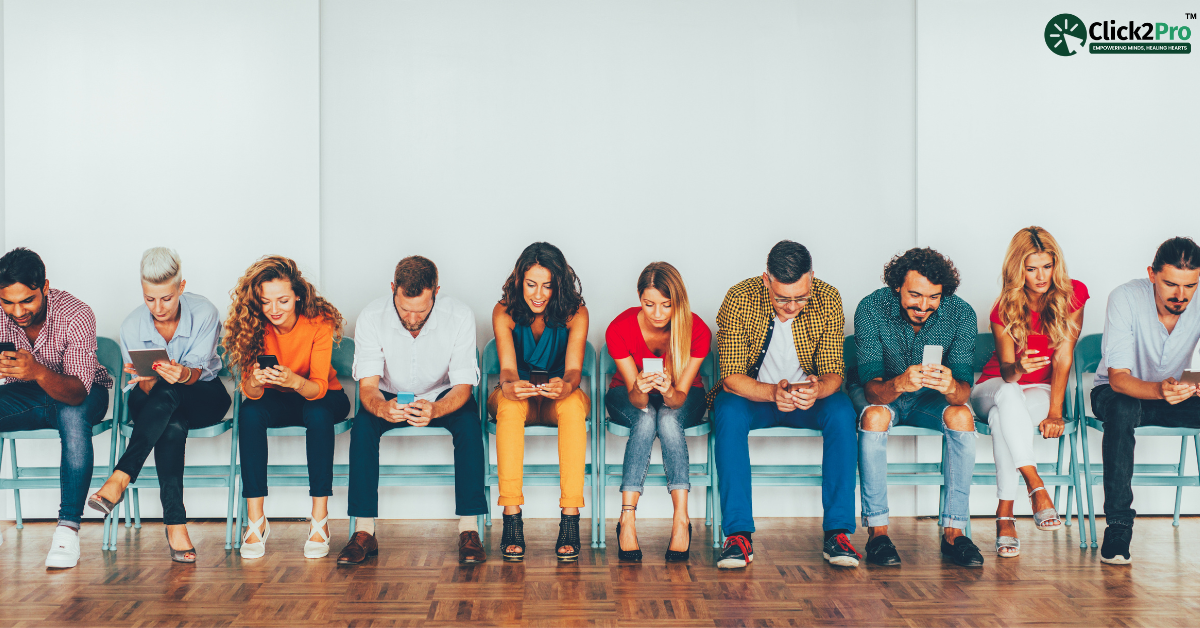
Social media platforms like Instagram, TikTok, and Facebook quickly turned into spaces where young people felt compelled to share their achievements, whether it be exam scores, college admissions, or personal milestones. For students in cities like Malegaon, where the pressure to excel academically is already high, these platforms became an additional source of anxiety. The ability to compare oneself to peers at any given moment, often with the most polished and curated aspects of life on display, heightened the feelings of inadequacy and stress.
Many young people became trapped in the pursuit of perfection—measuring their worth not only by their academic performance but by how their achievements were received online. Academic results were no longer private but became public displays for social validation. The constant need to post and keep up with others added to the already enormous burden that many students felt pre-pandemic.
In Malegaon, the academic competitiveness often saw students relying on the best online counselling services to manage the mental strain that social media exacerbated. With limited resources for in-person therapy, students turned to psychologists near them through online platforms, a trend that started pre-pandemic and accelerated as the world shifted online.
Peer Comparison and the Myth of the "Perfect Life"
One of the most detrimental aspects of social media is the comparison culture it fosters. Youth are bombarded with images of their peers excelling academically, winning scholarships, or being accepted into prestigious universities. However, what isn’t seen are the countless hours of stress, anxiety, and sleepless nights behind those achievements. The problem isn't that students are striving to succeed; it’s that they’re measuring their success against curated versions of other people’s lives.
This creates a toxic cycle of comparison, where students feel that if they aren't achieving at the same level, they are somehow failing. These feelings are exacerbated by the rise of platforms like LinkedIn, which emphasizes career achievements from an early age. For Indian students, where education often defines one's future, this comparison trap becomes particularly brutal. Many young people turn to social media for validation, but instead of feeling empowered, they are left feeling inadequate, stressed, and overwhelmed.
Cyberbullying and Academic Shame
Pre-pandemic, cyberbullying was already a significant issue. In the context of academic pressure, students were often targeted online for their grades or performance, either directly or through passive-aggressive posts. This added another layer of emotional stress to an already difficult academic environment. Students who performed poorly in exams, for instance, found themselves ridiculed online, further lowering their self-esteem and creating a cycle of anxiety that impacted their future performance.
In smaller cities like Malegaon, where community ties are strong, this kind of online bullying often spilled into real life. A student who was criticized on social media might find themselves isolated at school, making it even harder to recover from the emotional and academic damage.
The Pressure to Seek Validation
Social media not only amplifies peer comparison but also turns academic achievement into a spectacle for public consumption. Achievements are no longer celebrated privately but are broadcasted for likes, comments, and shares. This craving for external validation is particularly harmful because it shifts the focus from internal satisfaction and learning to external rewards. Students start studying not to understand the material or improve their knowledge but to gain social validation through their grades.
The psychologist near me began growing as many students struggled to cope with this validation-seeking behavior. In cities like Malegaon, where academic success is often closely tied to family expectations, social media only heightened the need for validation, which left students more vulnerable to anxiety and depression.
Emotional Toll: Anxiety, Depression, and Burnout
The emotional toll of juggling academic pressure and social media presence became evident in the years leading up to the pandemic. Students reported feeling anxious, depressed, and, in some cases, burned out before even finishing high school. The pressure to perform academically, coupled with the need to maintain a social media presence, created a dangerous cocktail of stress that many students were ill-equipped to handle.
In a 2019 survey, a significant number of students reported feeling overwhelmed by the combination of schoolwork and the pressures of social media. Research showed that teens who spent more than three hours a day on social media were more likely to suffer from mental health issues such as anxiety and depression. This emotional burden was particularly prevalent among high-achieving students, who felt they couldn’t afford to fail in either their academic or social lives.
Parental Expectations: A Double-Edged Sword
While students struggled with social media’s influence, parental expectations added another layer of pressure. Many parents, often unaware of the complexities of online life, expected their children to maintain high academic standards. In Malegaon, a city known for its academic focus, these expectations were even more pronounced. Parents often boasted about their children's achievements on platforms like Facebook, inadvertently contributing to the stress their children were already experiencing.
This external pressure from parents, combined with the internal pressure from social media, left many students feeling trapped. They were constantly trying to meet expectations both at home and online, with little time to relax or enjoy their youth.
Early Intervention and Support
Looking back, there were several opportunities for intervention that could have eased the burden on students pre-pandemic. Mental health services, such as online therapy and counselling, were available but often underutilized due to the stigma surrounding mental health in many parts of India. Had these services been more accessible or widely accepted, many students could have found relief from the overwhelming pressure they faced.
For example, in Malegaon, the rise of best online counselling services was a turning point for students struggling with emotional health. These services provided a private and accessible way for students to seek help without the fear of being judged by their peers or families.
Lessons for the Future
The emotional struggles faced by youth pre-pandemic are a cautionary tale. As we move forward, it’s essential to recognize the role social media plays in shaping academic pressure. While the pandemic brought mental health to the forefront, these issues were already present long before lockdowns and school closures. As we return to normalcy, it’s crucial to continue the conversations around mental health, academic pressure, and the impact of social media on young people.
Conclusion
The pre-pandemic era saw a significant rise in academic pressure among youth, exacerbated by the pervasive influence of social media. Platforms designed to connect people instead fostered a culture of comparison, where academic performance was displayed for public validation. This added layer of pressure led to a silent but growing crisis of emotional struggles, including anxiety, depression, and burnout, particularly among students juggling academic expectations and social media presence.
By understanding the role that social media played in intensifying academic stress, educators, parents, and mental health professionals can better support youth today. The need for accessible mental health services, like best online counselling platforms and local resources such as a psychologist near me, became more crucial than ever, as students sought ways to cope with both online and offline pressures.
FAQs
1.How does social media increase academic pressure in students?
Social media amplifies academic pressure by creating a constant comparison between students, often leading to feelings of inadequacy and stress as they measure their achievements against peers' online personas.
2.Why is social media harmful to students' mental health?
Social media fosters a culture of comparison, where students feel the need to present a perfect academic and social life, which can lead to anxiety, depression, and burnout.
3.What is the connection between academic performance and social media?
Academic performance becomes public on social media, turning achievements into a form of social validation, which places additional emotional pressure on students.
4.How does cyberbullying affect academic performance?
Cyberbullying related to academic performance can lead to emotional distress, lower self-esteem, and poorer academic outcomes as students struggle to cope with online harassment.
5.What role do parents play in social media academic pressure?
Parental expectations, often amplified through social media boasting, add to the academic stress students feel, creating a double burden of external and internal pressures.