Table of Contents
- Recognizing Somatic Symptom Disorder: Major Indicators
- Psychological Factors Influencing Somatic Symptoms
- Common Misconceptions About Somatic Symptom Disorders
- Effective Treatments for Somatic Symptom Disorders
- Self-Help Techniques for Managing Somatic Symptoms
- When to Seek Professional Help
- FAQs
- Conclusion
- About the Author
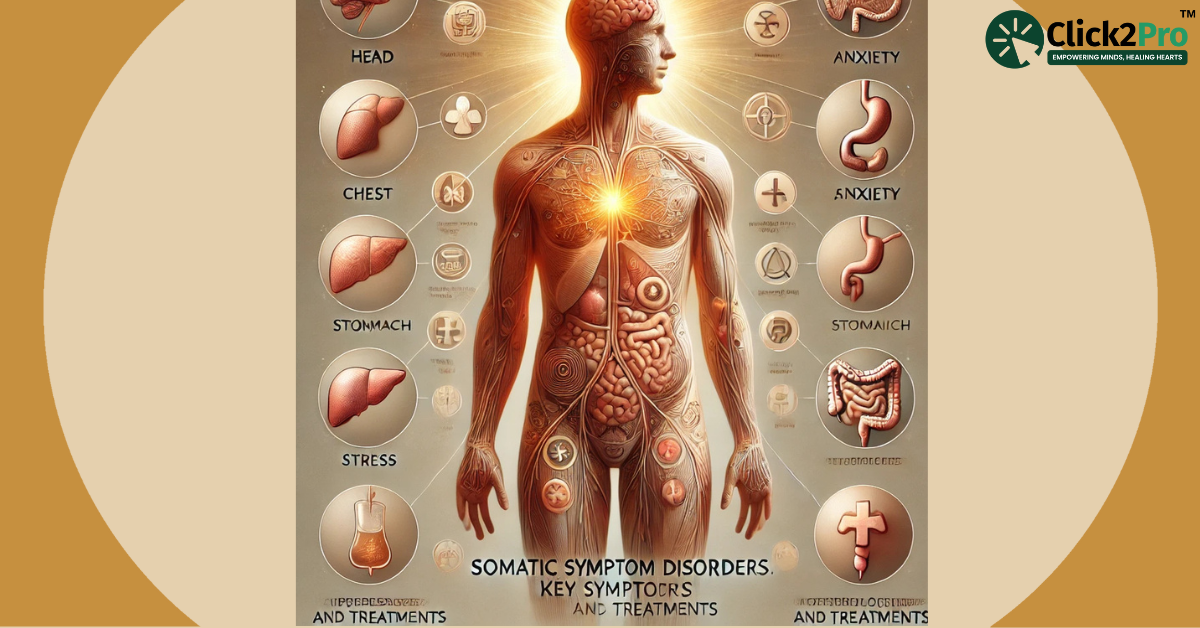
When physical symptoms persist without any clear medical explanation, it can be frustrating and confusing. Somatic Symptom Disorder (SSD) is a condition where individuals experience genuine physical discomfort that doesn’t stem from a direct physical cause, yet significantly affects their quality of life. Understanding SSD's symptoms, contributing psychological factors, and available treatments can offer a pathway to relief and help remove the stigma around these misunderstood conditions.
Recognizing Somatic Symptom Disorder: Major Indicators
In Somatic Symptom Disorder, physical symptoms such as chronic pain, fatigue, or gastrointestinal issues continue without any clear underlying medical explanation. However, these symptoms are very real for those experiencing them and can disrupt daily life, work, and relationships.
People with SSD often feel persistent worry and anxiety about their symptoms, fearing they may have a serious, undiagnosed illness. This constant worry can magnify the symptoms and lead to further emotional distress, making it essential to identify early signs.
Key Symptoms to Watch For
Unexplained Physical Symptoms
SSD manifests through physical complaints like pain, dizziness, fatigue, or digestive issues, which persist over time. While these symptoms may not have an identifiable medical cause, they can be highly debilitating.
Excessive Anxiety About Symptoms
Individuals with SSD frequently find themselves overwhelmed by thoughts of their symptoms, often feeling anxious and distressed even after medical reassurance.
Interference in Daily Life
The persistent focus on bodily symptoms can interfere with a person’s ability to engage in daily tasks or maintain relationships, as the physical discomfort may become all-consuming.
A recent study from The Lancet Psychiatry indicates that individuals with SSD have heightened sensitivity to physical sensations, often leading to a perception of pain or discomfort beyond what might be typical (The Lancet Psychiatry, 2023). This insight underscores the genuine nature of SSD, challenging the misconception that it's “all in the head.”
Psychological Factors Influencing Somatic Symptoms
SSD does not originate solely from physical causes but is often influenced by psychological factors.
The Role of Anxiety and Depression
Research shows that mental health conditions, especially anxiety and depression, can amplify somatic symptoms. Anxiety may lead individuals to become hyper-aware of bodily sensations, intensifying the experience of pain or discomfort. Depression, on the other hand, can lower pain thresholds, making minor sensations feel unbearable.
For instance, Behavioral Research and Therapy found that individuals with SSD often score higher on measures of anxiety, which correlates with increased pain sensitivity.
Learned Behavioral Patterns and Environmental Triggers
For some, SSD symptoms may develop as a response to specific environmental or family dynamics. If a person receives significant attention from others only when they are unwell, they may learn to focus on symptoms as a means to receive care. Such learned patterns can reinforce the cycle of symptom focus, causing further distress.
Common Misconceptions About Somatic Symptom Disorders
One of the biggest challenges for individuals with SSD is the stigma they face, often being told “it’s all in your head.” However, SSD is a legitimate condition where psychological factors influence physical health, not imaginary symptoms.
Misdiagnosis and Consequences
SSD is sometimes confused with hypochondria or illness anxiety disorder, which centers on the fear of having a specific disease rather than distress from persistent symptoms. Misdiagnosis can lead to inappropriate treatments, heightening the frustration for the individual involved. Accurate diagnosis and a supportive approach are crucial for effective management.
Effective Treatments for Somatic Symptom Disorders
Treating SSD often requires a combination of approaches to address both the physical and psychological components.
Cognitive Behavioral Therapy (CBT)
CBT is widely recognized as a highly effective treatment for SSD. By helping individuals manage anxious thoughts and perceptions about their symptoms, CBT allows them to reduce symptom intensity and regain control over their lives. Studies have shown that individuals undergoing CBT experience significant improvement in symptom severity and quality of life.
Working with the best online psychologist in India can help you explore treatment options like cognitive behavioral therapy, which has shown proven results in managing somatic symptoms.
Mindfulness-Based Stress Reduction (MBSR)
Mindfulness practices such as deep breathing, meditation, and body awareness can help people become less reactive to symptoms. MBSR has been proven to reduce physical pain and emotional distress in individuals with SSD by encouraging non-judgmental awareness of their experiences.
Body-Focused Therapies
Techniques such as biofeedback and progressive muscle relaxation help individuals develop better control over their physical responses to stress. Biofeedback, in particular, can train individuals to recognize and adjust their bodily responses, which can reduce symptom frequency and intensity.
Self-Help Techniques for Managing Somatic Symptoms
While professional treatment is essential, there are self-help techniques that individuals can incorporate into their daily lives to manage symptoms more effectively.
Identify Triggers
Observing patterns around symptom onset can help individuals recognize triggers such as stress, lack of sleep, or specific activities. Journaling can aid in tracking these triggers, allowing individuals to make proactive changes.
Develop a Routine for Mental and Physical Well-Being
Regular exercise, a balanced diet, and adequate sleep can support both mental and physical health, providing a stronger foundation for managing SSD symptoms.
Engage in Mind-Body Practices
Practices like yoga, deep breathing exercises, and progressive muscle relaxation have proven benefits in managing stress and enhancing resilience against somatic symptoms.
Connect with Supportive Individuals
Family and friends who understand and offer non-judgmental support can provide the emotional reassurance that helps individuals manage their symptoms more effectively.
When to Seek Professional Help
Recognizing the right time to seek professional help is essential. If symptoms are causing significant distress, interfering with daily life, or if self-help methods aren’t yielding relief, consulting a psychologist can be a beneficial next step.
At Click2Pro, we offer specialized counselling and treatment plans designed for individuals struggling with somatic symptoms. Our team is committed to helping clients regain control over their lives through personalized therapeutic support.
Support for Families and Loved Ones
For families, understanding SSD can be challenging. Here are a few ways families can offer support:
Listen without Judgment
Let the person express their feelings without dismissing their experiences as exaggerated or imagined.
Avoid Enabling
While support is essential, families should avoid reinforcing symptom-focused behaviors, which can worsen the condition.
Encourage Healthy Routines
Gently supporting the individual’s participation in self-help and therapeutic activities can have a positive impact.
FAQs
-
What are common physical symptoms of somatic symptom disorder?
Individuals with SSD may experience chronic pain, fatigue, dizziness, and gastrointestinal issues, all of which lack a direct medical explanation but can be highly disruptive to daily life.
-
How does somatic symptom disorder differ from hypochondria?
Unlike hypochondria, which focuses on the fear of specific illnesses, SSD centers on genuine physical discomfort, with individuals often seeking reassurance about their symptoms rather than fearing a particular diagnosis.
-
Can somatic symptom disorder be treated without medication?
Yes, many find relief through non-medication approaches like CBT and mindfulness. These therapies help individuals manage the psychological elements contributing to their symptoms.
-
What causes somatic symptom disorder?
SSD can stem from a combination of psychological, genetic, and environmental factors. Chronic stress and past trauma may also play a role in symptom development.
-
Is somatic symptom disorder a mental health issue?
Yes, SSD is recognized as a mental health disorder, as it involves psychological processes that affect physical health. However, the symptoms are real and have a genuine impact on individuals’ lives.
Conclusion
Living with Somatic Symptom Disorder can be challenging, as the symptoms are real and can significantly impact daily life, even when a clear medical cause is absent. Understanding the complexities of SSD—from the psychological influences that amplify symptoms to the effective treatments available—offers hope and a path toward relief. For those experiencing SSD, support through therapy, mindfulness, and a strong support network can make a meaningful difference. Seeking professional guidance is often the best first step, helping individuals manage symptoms with personalized care that goes beyond the physical and addresses the mental and emotional dimensions. At Click2Pro, we are dedicated to offering empathetic, effective support to help individuals lead fuller, healthier lives. Remember, with the right approach, it’s possible to regain control, reduce distress, and enhance your overall quality of life.
About the Author
Aashi Gupta is a Senior Psychologist at Click2Pro, with extensive experience in mental health and a particular focus on somatic symptom disorders, anxiety, and relationship counselling. She is dedicated to helping clients understand the deep connection between mind and body, empowering them with tools to manage psychological challenges that impact their physical well-being. Known for her compassionate approach and evidence-based practices, Aashi has a keen interest in educating readers on complex mental health topics in an accessible, human-centered way. Her work reflects a commitment to destigmatizing mental health issues, and she believes that effective therapy can be life-changing, helping individuals reclaim control over their mental and physical health.