Table of Contents
- Mental Health Status in Siwan
- Why Siwan Needs Targeted Mental Health Interventions
- Mental Health Prevalence: Rural vs. Urban Areas
- The Mental Health Burden in India
- Spiritual Counselling
- The Role of Spirituality in Mental Health
- Integrating Spiritual Counselling with Traditional Therapies
- Incorporating Spiritual Practices into Daily Life
- Conclusion
- FAQs
Anxiety and depression are significant mental health challenges affecting individuals worldwide, including those in India. Traditional therapeutic approaches have been the cornerstone of treatment; however, many are exploring complementary methods to enhance their well-being. One such approach is spiritual counselling, which integrates spiritual practices into the therapeutic process. This article examines the potential of spiritual counselling in alleviating anxiety and depression, offering a holistic pathway to mental health.
The National Mental Health Survey (NMHS) 2015-16 revealed that around 10.6% of adults in India are affected by mental health disorders, such as anxiety and depression. This statistic highlights the significant prevalence of mental health challenges across the country, underscoring the urgent need for accessible and effective interventions.
If you’re searching for the best psychologist in India online, spiritual counselling might offer a unique approach to easing anxiety and depression.
Mental Health Status in Siwan
Siwan, a predominantly rural district in Bihar, reflects the broader challenges faced by India’s rural communities when it comes to mental health. With a total rural population of 3,147,551, the district struggles with limited access to mental health resources, societal stigma, and cultural barriers that prevent individuals from seeking professional help.
Prevalence of Mental Health Issues
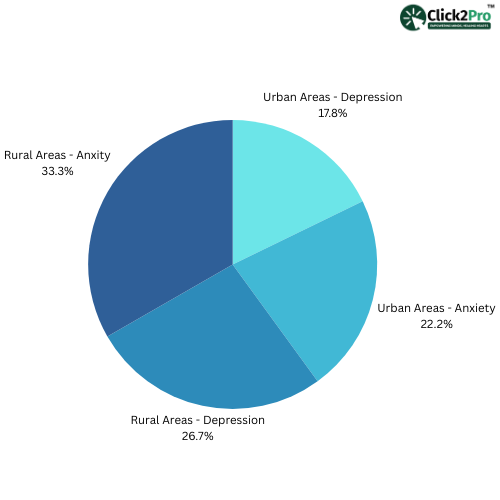
National statistics indicate that 10.6% of adults in India suffer from mental health disorders such as anxiety and depression (National Mental Health Survey, 2015-16). While district-specific data for Siwan is scarce, rural areas like Siwan often report higher prevalence rates due to:
-
Socioeconomic Challenges: Poverty, unemployment, and financial stress contribute significantly to mental health issues.
-
Gender Disparities: With a child sex ratio of 942 girls per 1,000 boys, cultural pressures and gender-based inequality may exacerbate mental health struggles, particularly among women.
-
Awareness Gap: A lack of mental health education and awareness perpetuates stigma and deters people from seeking help.
Limited Access to Resources
In Siwan, access to mental health professionals is severely restricted:
-
Therapists and Counsellors: The district has very few certified psychologists or counsellors.
-
Healthcare Infrastructure: Mental health services are often integrated into general healthcare facilities, which may lack specialized care.
Why Siwan Needs Targeted Mental Health Interventions
With rising cases of mental health issues, Siwan requires:
-
Increased Government Support: Expanding programs like the District Mental Health Program (DMHP) to provide grassroots mental health services.
-
Community-Based Initiatives: Leveraging NGOs and local spiritual leaders to promote awareness and counselling services.
-
Culturally Relevant Solutions: Integrating spiritual practices into mental health care to align with the beliefs and traditions of Siwan’s residents.
Siwan's Rural Population and Gender Demographics
Siwan district's rural population comprises 3,147,551 residents, with 1,579,685 males and 1,567,866 females. The overall sex ratio in rural areas stands at 993 females per 1,000 males, reflecting a near parity in gender distribution. However, the child sex ratio presents a more concerning picture, with only 942 girls per 1,000 boys, indicating gender disparities that could have long-term societal implications.
Mental Health Prevalence: Rural vs. Urban Areas
The Mental Health Burden in India
Mental health issues in India are not only widespread but also severely impact the population's quality of life. According to the World Health Organization (WHO), mental health disorders account for 2,443 disability-adjusted life years (DALYs) per 100,000 population, reflecting the years lost due to illness, disability, or early death. The age-adjusted suicide rate of 21.1 per 100,000 further underscores the gravity of the situation. In rural regions like Siwan, where resources are scarce, these challenges are even more pronounced, requiring innovative and accessible interventions such as spiritual counselling.
Why Spiritual Counselling is Needed to Ease Anxiety and Depression
Spiritual counselling addresses the growing prevalence of anxiety and depression by offering a holistic, culturally relevant approach to mental health. Here’s why it’s essential:
Rising Mental Health Challenges: Anxiety and depression affect millions worldwide, with limited mental health resources in smaller cities like Siwan.
Holistic Healing: Combines mind, body, and spirit, offering long-lasting relief beyond symptom management.
Cultural Relevance: Aligns with India’s spiritual traditions, making practices like meditation and prayer widely accepted and effective.
Scientific Backing: Studies show spiritual practices reduce stress hormones, promote relaxation, and alleviate mental health symptoms.
Personalized Approach: Adaptable to diverse beliefs, benefiting even non-religious individuals with tools like mindfulness and journaling.
Sense of Purpose: Helps combat isolation and purposelessness by fostering connection and belonging.
Complementary to Traditional Therapy: Effective for those not fully relieved by conventional treatments, enhancing overall mental well-being.
Spiritual Counselling
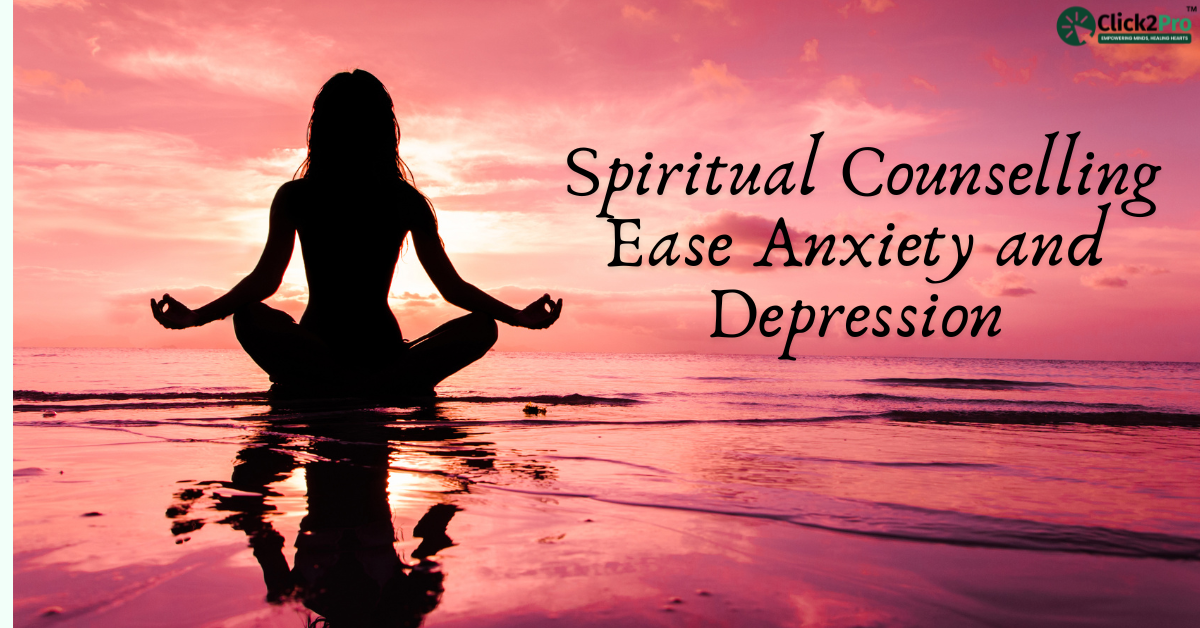
Spiritual counselling involves incorporating an individual's spiritual beliefs and practices into therapy to address mental health concerns. It acknowledges the interconnectedness of mind, body, and spirit, aiming to foster inner peace, resilience, and a sense of purpose. This approach is inclusive of various spiritual beliefs, making it accessible to individuals from diverse backgrounds.
Myths and Facts About Spiritual Counselling to Ease Anxiety and Depression:
|
Myth |
Fact |
|
Spiritual counselling is only for religious people. |
It is inclusive, focusing on personal growth and inner peace, benefiting both religious and non-religious individuals. |
|
Spiritual counselling replaces traditional therapy. |
It complements traditional therapy, enhancing the effectiveness of conventional treatments. |
|
It’s not scientifically backed. |
Research, including studies by Harvard and clinical psychology journals, supports its efficacy. |
|
It’s just about prayer and meditation. |
Techniques include mindfulness, journaling, affirmations, and energy healing, catering to diverse needs. |
|
It’s not effective for severe mental health issues |
Works best as a complementary approach for severe cases alongside professional care. |
|
It takes a long time to show results. |
Many report positive changes within weeks with consistent application of practices like mindfulness. |
|
Only older people benefit from spiritual counselling. |
It benefits people of all ages, including teenagers and young adults facing stress and emotional challenges. |
|
It’s unstructured and lacks professionalism. |
Qualified counsellors use research-based, structured methods ensuring professionalism. |
|
It’s a quick fix for mental health issues. |
It requires commitment and consistency, offering gradual healing and self-discovery. |
|
It’s the same as religious preaching. |
Focused on mental well-being, it does not involve preaching or imposing religious beliefs. |
The Role of Spirituality in Mental Health
Research indicates that spirituality can play a significant role in mental health. Engaging in spiritual practices has been associated with reduced symptoms of anxiety and depression. For instance, a study published in the Journal of Clinical Psychology found that spiritually integrated therapy was effective in treating depression and anxiety.
Benefits of Spiritual Counselling for Anxiety and Depression
-
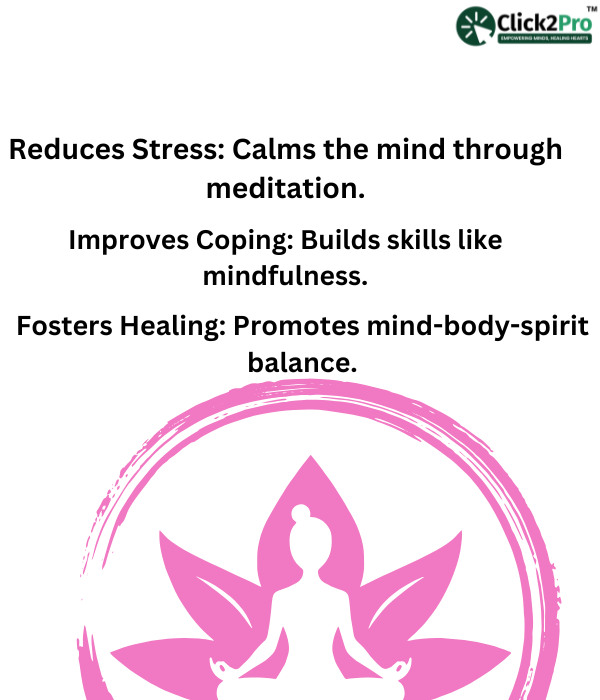
Emotional Relief: Practices such as meditation and prayer can help calm the mind, reducing overthinking associated with anxiety.
-
Enhanced Coping Mechanisms: Techniques like mindfulness and deep breathing, often introduced in spiritual counselling, are effective in managing stress and depressive symptoms.
-
Holistic Healing: Addressing the spiritual dimension can lead to a more comprehensive healing process, promoting sustained mental health improvements.
-
Community and Support: Engaging in spiritual practices can provide a sense of belonging, counteracting feelings of isolation common in depression.
If you’ve ever typed psychotherapist near me into a search bar, you may have encountered professionals who blend spirituality with psychotherapy for comprehensive healing.
Techniques Employed in Spiritual Counselling
-
Mindfulness and Meditation: Cultivating present-moment awareness to alleviate anxiety.
-
Prayer and Affirmations: Utilizing positive statements and spiritual communication to foster hope and resilience.
-
Journaling: Reflective writing to explore and process emotions.
-
Energy Healing Practices: Methods like Reiki aim to balance the body's energy, promoting emotional well-being.
-
Guided Visualization: Using imagery to create a mental space of calm and clarity.
Integrating Spiritual Counselling with Traditional Therapies
While traditional therapy focuses on cognitive and behavioral aspects, spiritual counselling adds a layer of spiritual exploration. This combination can be particularly beneficial for individuals seeking a more holistic approach to mental health. It's important to note that spiritual counselling is not a replacement but rather a complement to conventional therapy.
Scientific Insights
Studies have shown that integrating spirituality into therapy can lead to better mental health outcomes. For example, research published in the Journal of Clinical Psychology found that spiritually integrated therapy was effective in treating depression and anxiety.
Incorporating Spiritual Practices into Daily Life
-
Morning Routine: Start the day with mindfulness meditation to set a calm tone.
-
Journaling: Dedicate time to write about your thoughts and feelings, facilitating self-discovery.
-
Community Engagement: Join local spiritual groups or online communities to foster a sense of belonging.
When to Seek Spiritual Counselling
If traditional counselling alone isn't addressing your needs, or if you're seeking a deeper connection to your inner self, spiritual counselling might be beneficial. It's essential to consult with a qualified professional to determine the best approach for your situation.
Conclusion
Spiritual counselling offers a holistic approach to managing anxiety and depression, addressing the mind, body, and spirit. Integrating spiritual practices into therapy can provide profound benefits, fostering inner peace and resilience. If you're considering this path, it's advisable to consult with a professional who can guide you through the process.
FAQs
-
How does spiritual counselling differ from traditional therapy for anxiety or depression?
Spiritual counselling integrates spiritual beliefs and practices into the therapeutic process, addressing the mind, body, and spirit. Traditional therapy primarily focuses on cognitive and behavioral aspects without necessarily incorporating spirituality.
-
What are the most effective spiritual practices for anxiety relief?
Mindfulness meditation, prayer, and journaling are effective spiritual practices for managing anxiety.
-
Is spiritual counselling supported by science?
Yes, research indicates that integrating spirituality into therapy can lead to improved mental health outcomes.
-
How long does it take to see results from spiritual counselling for anxiety or depression?
The timeline varies depending on the individual, but many report improvements within a few weeks of consistent practice.
-
Can someone who is not religious benefit from spiritual counselling?
Absolutely. Spiritual counselling focuses on personal growth and inner peace, which can benefit anyone, regardless of religious beliefs.
-
What qualifications should I look for in a spiritual counsellor?
Look for professionals with credentials in counselling and a background in spiritual practices.