Table of Contents
- The Link Between Spirituality and Mental Health
- Spiritual Practices That Enhance Emotional Balance
- Real-Life Experiences: The Transformative Power of Spiritual Growth
- Spiritual Development as a Tool for Resilience
- Scientific Perspectives on Spirituality and Mental Health
- Integrating Spirituality with Professional Support
- Conclusion
- FAQs
In the bustling city of Chandannagar, where the Ganges River gently flows and history intertwines with modern life, many individuals seek ways to enhance their mental well-being and emotional balance. One avenue that has garnered attention is spiritual development. But can cultivating spirituality truly impact our mental health? Let's delve into this topic, exploring the connections, practices, and benefits associated with spiritual growth.
The Link Between Spirituality and Mental Health
Spirituality, distinct from organized religion, refers to a personal quest for meaning, purpose, and connection beyond the material realm. Engaging in spiritual practices can foster a sense of inner peace, resilience, and emotional stability. Research indicates that individuals who actively pursue spiritual growth often experience lower levels of anxiety and depression. For instance, a study published in Psychology Today highlights that spirituality contributes positively to mental health by providing a sense of purpose and community.
Spiritual Practices That Enhance Emotional Balance
Incorporating spiritual practices into daily life can significantly improve emotional well-being. Here are some methods to consider:
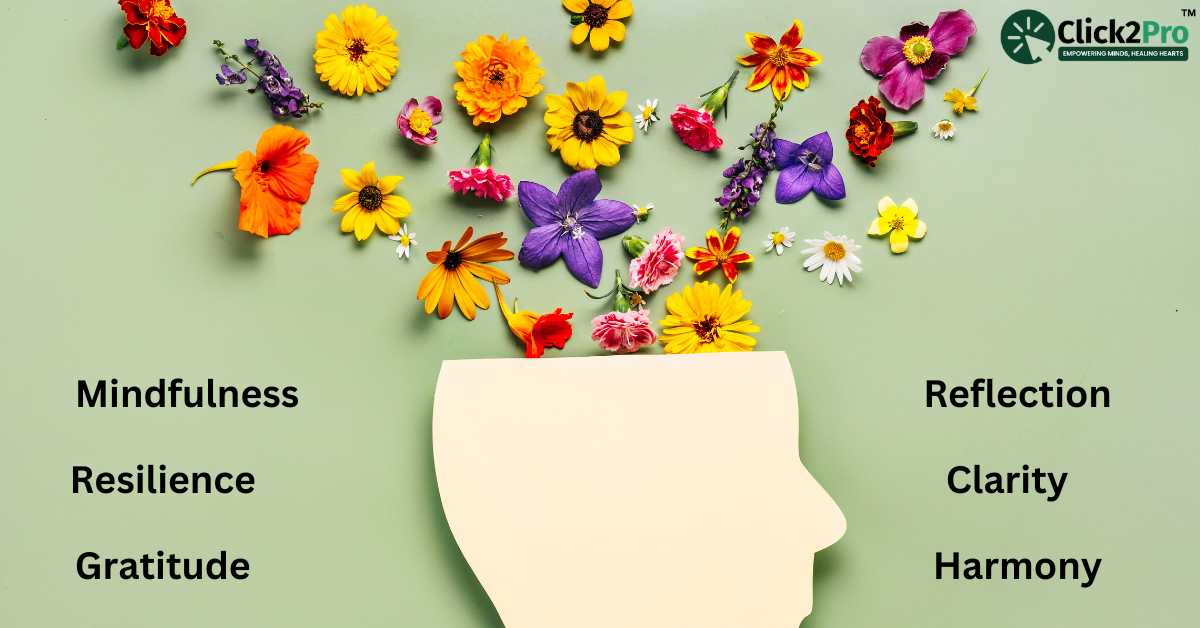
Meditation: Regular meditation helps calm the mind, reduce stress, and increase self-awareness. Techniques such as mindfulness meditation have been shown to decrease symptoms of anxiety and depression.
Yoga: Combining physical postures with breath control and meditation, yoga promotes holistic well-being. Practicing yoga can enhance emotional balance and mental clarity.
Gratitude Journaling: Writing down things you're grateful for can shift focus from negative to positive experiences, fostering a more optimistic outlook.
Mindful Breathing: Engaging in deep, conscious breathing exercises can help manage stress and center the mind.
In Chandannagar, several centers offer classes and workshops on these practices, providing accessible opportunities for residents to embark on their spiritual journeys.
Real-Life Experiences: The Transformative Power of Spiritual Growth
Consider the story of Ananya, a resident of Chandannagar. Facing the pressures of a demanding job and personal challenges, she turned to meditation and yoga. Over time, Ananya noticed a significant improvement in her emotional resilience and overall happiness. She shares, "Integrating spiritual practices into my routine has been life-changing. I feel more grounded and capable of handling life's ups and downs."
Spiritual Development as a Tool for Resilience
Spirituality offers tools to navigate life's challenges with greater ease. Practices like meditation and prayer can provide solace during difficult times, promoting acceptance and inner peace. Engaging with spiritual communities also offers social support, which is crucial for mental health. In Chandannagar, local groups and organizations provide platforms for individuals to connect and share their spiritual journeys.
Embarking on Your Spiritual Journey
If you're considering exploring spiritual development to enhance your mental health, here are some steps to get started:
Set Clear Intentions: Reflect on what you hope to achieve through spiritual growth, whether it's inner peace, clarity, or emotional balance.
Explore Different Practices: Experiment with various methods like meditation, yoga, or journaling to find what resonates with you.
Seek Guidance: Consider joining local workshops or seeking mentorship from experienced practitioners in Chandannagar.
Be Consistent: Regular practice is key to experiencing the benefits of spiritual development.
Combining spiritual practices with insights from the best counsellor in Chandannagar can provide a balanced and effective approach to emotional healing.
Scientific Perspectives on Spirituality and Mental Health
Numerous studies support the positive impact of spirituality on mental health. Engaging in spiritual practices has been linked to reduced stress levels, improved emotional regulation, and a greater sense of purpose. For example, mindfulness meditation has been shown to alter brain structures associated with emotional regulation, leading to improved mental health outcomes.
Integrating Spirituality with Professional Support
While spiritual practices offer numerous benefits, they are most effective when combined with professional mental health support. In Chandannagar, individuals can access online counselling services that respect and incorporate spiritual perspectives. For those seeking such services, finding the best counselor in Chandannagar who aligns with your spiritual values can enhance the therapeutic experience.
Conclusion
Spiritual development can be a powerful tool in improving mental health and emotional balance. By integrating spiritual practices into daily life and seeking professional support when needed, individuals can embark on a journey toward holistic well-being. In the serene environment of Chandannagar, opportunities abound to explore and nurture your spiritual growth.
FAQs
1.Can spirituality help with anxiety and depression?
Yes, engaging in spiritual practices like meditation and prayer can reduce symptoms of anxiety and depression by promoting relaxation and a sense of purpose.
2.What spiritual practices are beneficial for mental health?
Practices such as meditation, yoga, gratitude journaling, and mindful breathing have been shown to enhance mental well-being.
3.Is there scientific evidence supporting the benefits of spirituality on mental health?
Numerous studies indicate that spiritual practices can lead to improved mental health outcomes, including reduced stress and better emotional regulation.
4.Can spiritual development replace professional therapy?
While spirituality can complement mental health treatment, it should not replace professional therapy, especially for severe mental health conditions.
5.How can I start my spiritual journey in Chandannagar?
Begin by exploring local workshops, meditation centers, or yoga classes in Chandannagar to find practices that resonate with you.