Table of Contents
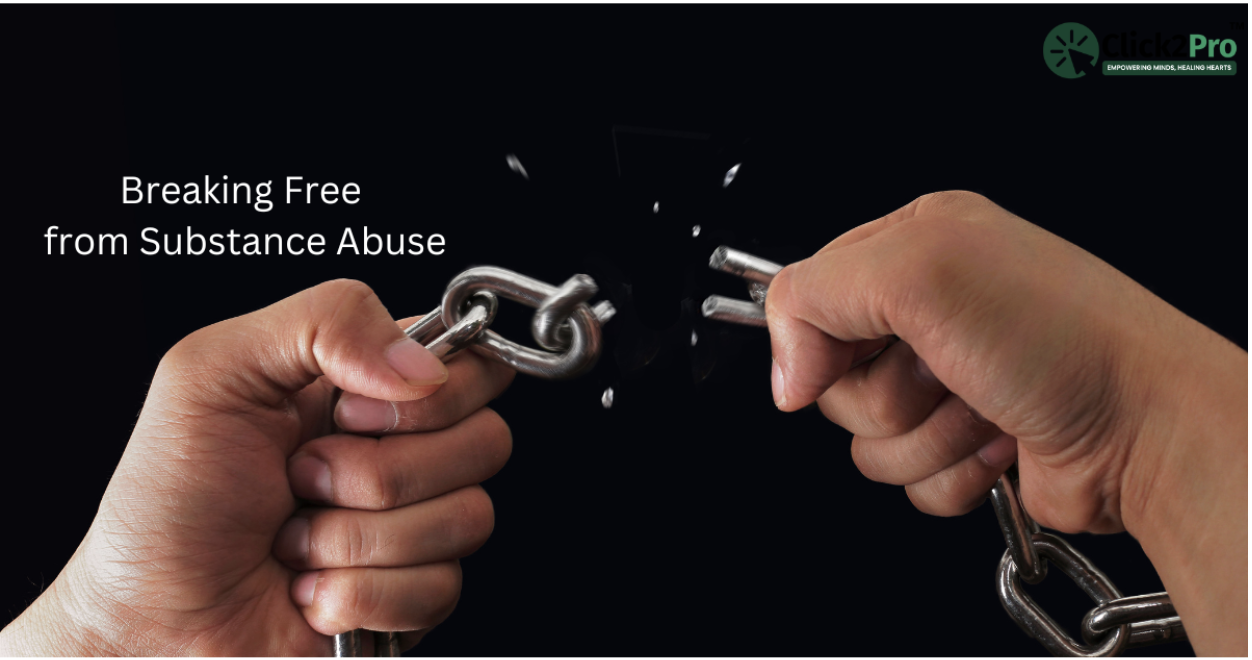
Substance abuse has become a pressing global issue with far-reaching consequences on mental health. In India, this concern takes on unique dimensions due to societal pressures, economic challenges, and limited access to mental health resources. The link between substance abuse and mental health is deeply intertwined, as substances disrupt brain function, leading to conditions such as anxiety, depression, and psychosis.
In Amritsar, known for its cultural vibrancy and economic activity, substance abuse is a growing concern. According to a recent study by the Punjab government, over 20% of individuals in Amritsar suffer from substance use disorders, with men comprising 75% and women 25% of the affected population. The widespread availability of alcohol and opioids further exacerbates this issue.
This blog explores how substance abuse impacts mental health, presents the latest statistics, and highlights resources available to help individuals break free from the vicious cycle of addiction and mental disorders.
How Substance Abuse Affects Mental Health
Substance abuse affects the brain’s delicate chemical balance, leading to disruptions in emotional regulation, cognitive function, and overall mental well-being. Here’s how:
1. Neurological Impact
-
Substances like alcohol, opioids, and stimulants flood the brain with dopamine, creating a temporary sense of euphoria.
-
Chronic use damages the brain’s reward system, reducing natural dopamine levels and leading to depression and anxiety.
-
Prolonged abuse of opioids and stimulants can impair the prefrontal cortex, affecting decision-making and impulse control.
2. Increased Risk of Mental Health Disorders
-
Alcohol Abuse: Linked to depression, aggression, and suicidal ideation.
-
Opioid Dependency: Often triggers anxiety and mood disorders.
-
Cannabis Use: While seen as harmless, long-term use can lead to paranoia and psychosis in predisposed individuals.
-
Stimulants: Chronic use may result in paranoia, anxiety, and hallucinations.
3. The Self-Medication Trap
Individuals dealing with stress or mental health issues like PTSD, anxiety, or depression often turn to substances as a coping mechanism. Unfortunately, this leads to a vicious cycle where substance abuse worsens the mental health condition, increasing dependence on the substance.
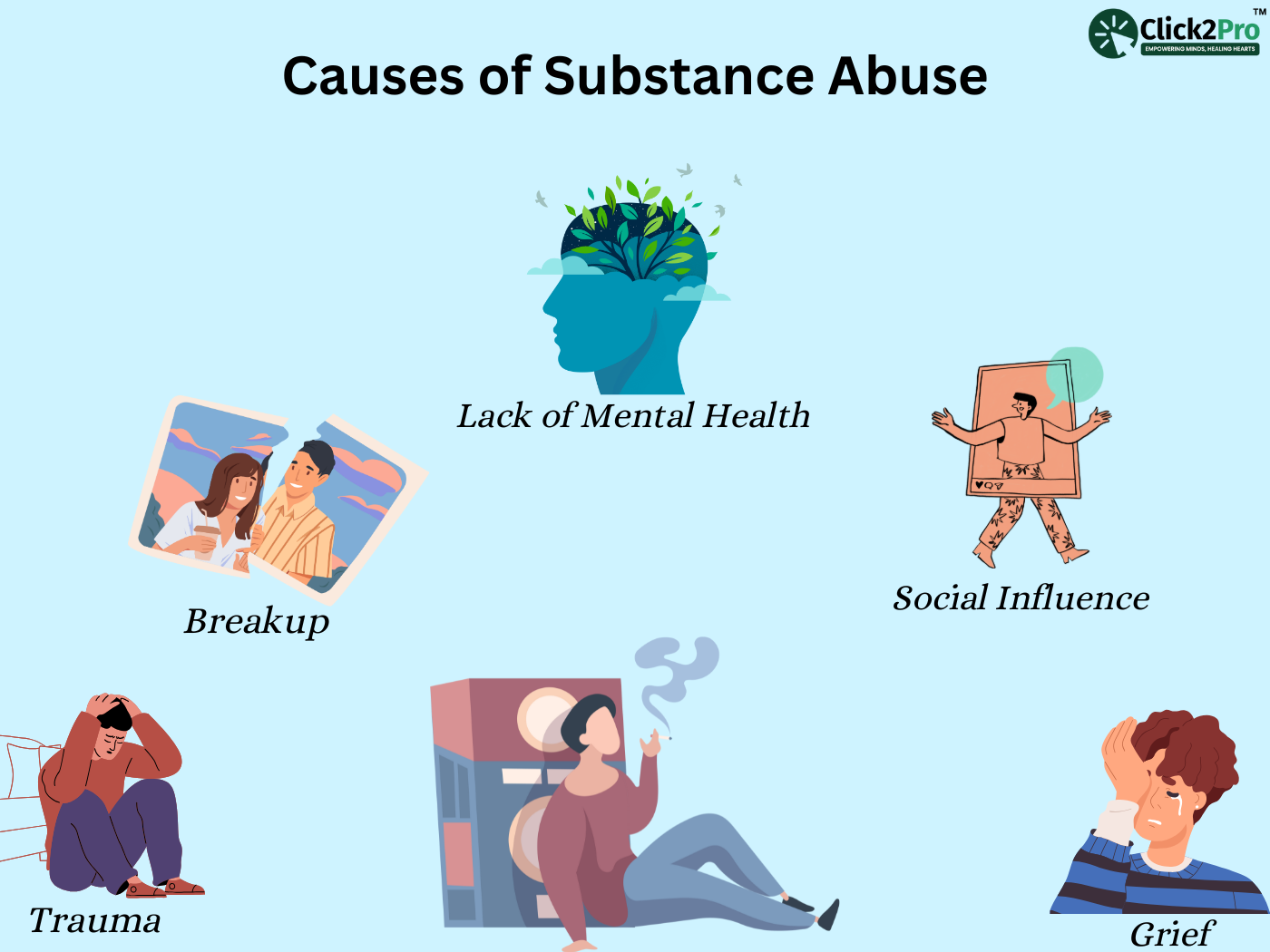
Mental Health Status in Amritsar: Substance Abuse Trends
In Amritsar, a city grappling with the dual challenges of economic pressures and societal expectations, substance abuse has profound implications for mental health.
|
Population Segment |
Percentage of Substance Abuse Cases |
Most Abused Substances |
|
Men |
75% |
Alcohol, opioids |
|
Women |
25% |
Prescription drugs, alcohol |
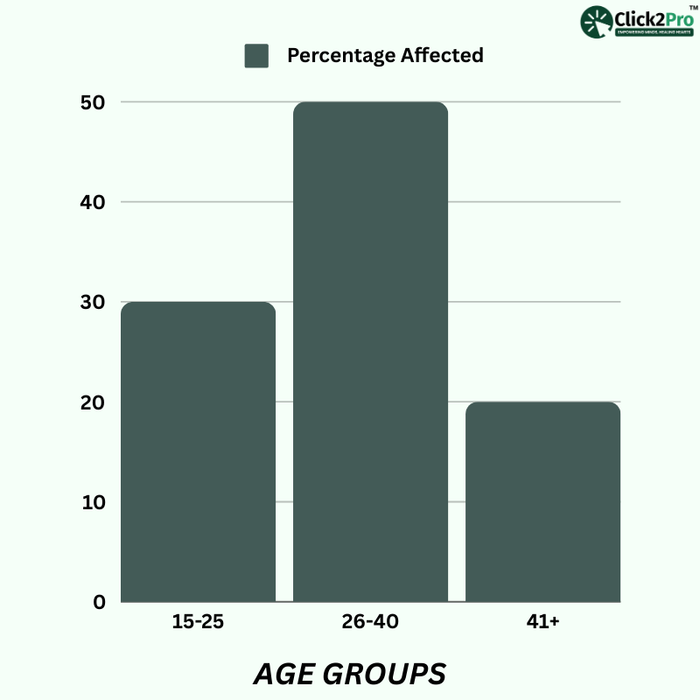
Age Groups Affected
|
Age Group |
Percentage Affected |
|
15-25 |
30% |
|
26-40 |
50% |
|
41+ |
20% |
Government Resources and Actions
1. National Initiatives
-
The National Mental Health Programme (NMHP) provides free counselling and medication to individuals suffering from substance abuse.
-
The Ministry of Social Justice and Empowerment has established over 500 de-addiction centers nationwide.
2. Local Resources in Amritsar
-
Punjab government’s OOAT Clinics (Outpatient Opioid Assisted Treatment) provide medication-assisted therapy to opioid addicts.
-
Free de-addiction programs run by NGOs like Navjeevan and Shaheed Bhagat Singh Foundation in Amritsar.
3. Data on Government Efforts
|
Year |
Individuals Treated for Substance Abuse in Amritsar |
|
2020 |
12,000 |
|
2021 |
15,000 |
|
2022 |
18,500 |
Scientific Research and Psychological Theories
Sigmund Freud’s Theory of Self-Medication: Individuals use substances to cope with unconscious conflicts or stress.
Carl Rogers’ Person-Centered Therapy: Emphasizes empathy and unconditional support for individuals recovering from addiction.
Indian Research: A study by AIIMS found that 70% of substance abuse cases in Punjab are linked to untreated mental health disorders.
International Comparisons
India vs. Global Trends:
Substance abuse among Indian youth is 15% higher than in Western countries.
While India struggles with opioids, countries like the USA face a higher prevalence of stimulant abuse.
Best Practices from Abroad:
The Matrix Model for addiction recovery in the USA.
Mindfulness-Based Relapse Prevention used in the UK.
Breaking the Cycle: Treatment Options
1. Therapy Approaches
- Cognitive Behavioral Therapy (CBT): Helps reframe negative thought patterns.
- Mindfulness Practices: Reduces dependency by fostering emotional resilience.
2. Holistic Care by Click2Pro
- In Amritsar: Click2Pro has supported over 2,000 individuals with substance abuse issues through personalized counselling and therapy.
- National Reach: Offers online counselling services, ensuring access across urban and rural areas.
FAQs
1.How does substance abuse affect mental health?
Substance abuse disrupts brain chemistry, leading to conditions like anxiety, depression, and psychosis.
2.What resources are available in Amritsar for substance abuse treatment?
Government OOAT Clinics, NGOs like Navjeevan, and Click2Pro’s online counselling services.
3.What’s the first step in addressing substance abuse?
Early recognition and seeking professional help are crucial.
4.What makes Click2Pro unique for mental health counselling?
Click2Pro combines expert therapists, personalized care, and accessibility through online services.
Conclusion
Substance abuse profoundly impacts mental health, but recovery is possible with timely intervention and support. In Amritsar, organizations like Click2Pro, government programs, and community initiatives play a vital role in addressing these challenges. If you or a loved one is struggling, take the first step today by reaching out to Click2Pro. A healthier, brighter future awaits.Counselling in Amritsar provides tailored support to address substance abuse and mental health challenges effectively.