Table of Contents
Postpartum depression support is crucial for new mothers who may feel overwhelmed after childbirth. The emotional and physical challenges that accompany motherhood can sometimes lead to postpartum depression (PPD), affecting both the mother and her family. Offering the right postpartum depression care can make all the difference in a mother's recovery journey. In this guide, we’ll explore how partners and families can provide postpartum depression support that is both compassionate and effective, helping mothers navigate this challenging time.
What is Postpartum Depression?
Postpartum depression is a serious mental health condition that affects some women after childbirth. It is more intense and long-lasting than the "baby blues," which generally subside within a couple of weeks. Mothers with PPD may experience symptoms like extreme sadness, anxiety, fatigue, and feelings of hopelessness.
Why Is It Important to Offer Support?
Postpartum depression can have profound effects on both the mother and the baby. If left untreated, it can impair the mother’s ability to bond with her child and manage daily tasks. Providing postpartum depression help through emotional and practical support can accelerate recovery and foster a healthier environment for the entire family.
Signs and Symptoms of Postpartum Depression
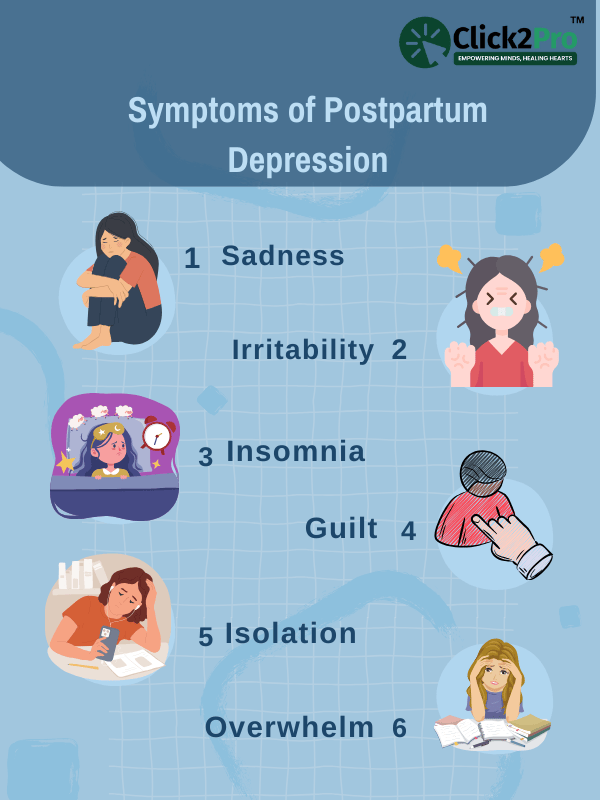
Common Symptoms to Look For:
-
Persistent sadness or mood swings
-
Fatigue and lack of energy
-
Difficulty bonding with the baby
-
Withdrawal from loved ones
-
Intense irritability or anger
-
Difficulty concentrating or making decisions
-
Sleep disturbances (sleeping too much or too little)
-
Thoughts of self-harm or harm to the baby
Understanding these symptoms is essential for partners and family members to recognize the signs early and offer timely postpartum depression support.
The Role of Partners in Supporting Mothers with Postpartum Depression
Recognizing the Signs Early
Partners play a crucial role in identifying signs of postpartum depression. Being attentive to the emotional and physical changes in the mother can help detect early signs of PPD, ensuring she receives the postpartum depression care she needs before it worsens.
Providing Emotional Support
-
Active Listening: Allow the mother to express her feelings without judgment. Validate her emotions by acknowledging her struggles and offering reassurance.
-
Open Communication: Ask open-ended questions about how she feels, what she needs, and how you can help.
Sharing Responsibilities
-
Household Chores: Take on more household responsibilities, such as cooking, cleaning, and baby care, to alleviate some of her stress.
-
Baby Care: Help with nighttime feedings, diaper changes, and soothing the baby, allowing the mother time to rest and recover.
Encouraging Professional Help
Partners can encourage mothers to seek postpartum depression counselling or therapy. If she is hesitant, offer to accompany her to appointments or help find local postpartum depression resources.
Family Support: How Families Can Help Mothers with Postpartum Depression
Offering Practical Assistance
-
Help with Daily Tasks: Family members can assist with grocery shopping, meal preparation, or even babysitting. These simple acts can provide the mother with much-needed rest and peace of mind.
-
Offer Time for Self-Care: Encourage the mother to take some personal time by offering to care for the baby while she enjoys a break.
Providing Emotional Support
-
Non-Judgmental Listening: Families should avoid giving unsolicited advice or making the mother feel guilty for her struggles. Instead, offer a compassionate ear.
-
Encouragement Without Pressure: It’s essential to offer encouragement but avoid pushing the mother to “snap out of it.” Postpartum depression requires time and care to heal.
Educating Themselves
Family members can educate themselves about postpartum depression to better understand what the mother is going through. This reduces stigma and helps family members offer more effective postpartum depression help.
How to Encourage Treatment and Professional Care
Identifying When to Seek Help
It’s important for both partners and family members to recognize when postpartum depression has reached a point where professional intervention is necessary. If the mother is showing severe signs such as persistent sadness, lack of interest in the baby, or thoughts of self-harm, postpartum depression counselling should be considered.
Gently Suggesting Therapy
- Non-Confrontational Approach: Encourage the mother to seek professional help without making her feel like she’s failing. Use supportive language like, “Talking to someone might help lighten your burden.”
Finding Postpartum Depression Resources
Partners and families can assist by researching local or virtual resources. Whether it’s finding a therapist, joining a postpartum support group, or using online counselling services, having a plan can make the idea of seeking help feel less daunting.
Long-Term Support for Mothers with Postpartum Depression
Continuing Support After Initial Recovery
Recovery from postpartum depression doesn’t happen overnight, and it’s important to offer ongoing support. Even after professional treatment, mothers may need continued emotional and practical assistance. Stay attuned to their needs and provide consistent postpartum depression support.
Being Mindful of Caregiver Burnout
Partners and family members should also look after their mental health while supporting the mother. Caregiver burnout is real, and it’s essential to maintain a balance between caring for the mother and taking care of oneself.
Creating a Positive Home Environment
A nurturing, low-stress home environment can significantly impact the mother’s mental health. Families can work together to create a peaceful, supportive space where the mother feels safe and loved.
Tips for Partners and Families: Practical Ways to Help
-
Encourage Rest and Sleep: Fatigue worsens postpartum depression, so help the mother rest by taking over nighttime baby duties.
-
Provide Nutritious Meals: Eating well can improve mood and energy levels. Offer healthy meals that boost both physical and mental health.
-
Allow Time for Exercise and Fresh Air: Gentle exercise like walking or yoga can be uplifting. Offer to go on walks with the mother or help her find time for other activities she enjoys.
-
Avoid Negative Comparisons: Refrain from comparing her experience to other mothers or making her feel inadequate.
-
Check In Regularly: Stay in touch through calls or messages, even if you don’t live together. Let her know she has a support network.
-
Encourage Social Interaction: Isolation can worsen symptoms of postpartum depression. Arrange visits from close friends or family members (with the mother’s consent) to help her feel connected.
The Importance of Postpartum Depression Counselling
Types of Therapy for Postpartum Depression
-
Cognitive Behavioral Therapy (CBT): CBT helps mothers identify and challenge negative thought patterns contributing to their depression.
-
Interpersonal Therapy (IPT): This therapy focuses on improving communication and relationships, which are often strained by postpartum depression.
-
Group Therapy: Support groups for postpartum depression allow mothers to connect with others going through similar experiences, offering comfort and understanding.
Finding Postpartum Depression Resources
Helplines and Support Networks
-
Postpartum Support International (PSI): Offers a helpline and online resources for postpartum depression support.
-
Local Postpartum Support Groups: Search for local groups that meet in person or virtually to provide support for mothers.
Books and Online Resources
-
“This Isn’t What I Expected” by Karen Kleiman: A helpful guide for mothers and families navigating postpartum depression.
-
Online Forums and Communities: Websites like BabyCenter and What to Expect have forums for mothers to share their experiences and get advice.
Conclusion
Postpartum depression care is a family effort. With the right support system in place, mothers can recover and thrive in their role as new parents. Partners and families can make a significant impact by offering emotional support, sharing responsibilities, and encouraging professional help. By working together and using available postpartum depression resources, families can create a safe, nurturing environment for mothers as they navigate the challenges of postpartum depression.
About the Author
Shubhra Varma is a senior psychologist at Click2pro, specializing in maternal mental health and postpartum depression. With extensive experience in providing compassionate care and evidence-based therapy, she is dedicated to helping new mothers navigate the emotional challenges that come with motherhood. Shubhra combines her expertise in mental health with a passion for empowering families and partners to provide the support needed for recovery and well-being. Through her work at Click2Pro, she has become a trusted source for those seeking guidance and professional assistance in overcoming postpartum depression.
FAQs
-
How to explain postpartum depression?
Postpartum depression is a serious mental health condition that affects women after childbirth. It goes beyond the normal "baby blues" and can cause intense feelings of sadness, anxiety, and exhaustion, making it difficult for new mothers to care for themselves and their babies. Unlike typical mood swings, postpartum depression can last for months if left untreated and requires professional care.
-
What are the main causes of postpartum depression?
Postpartum depression can be caused by a combination of hormonal changes, emotional stress, and physical exhaustion following childbirth. A dramatic drop in estrogen and progesterone levels can trigger mood swings, while lack of sleep, anxiety about caring for a newborn, and a history of depression or mental health issues can further contribute to its onset. Social isolation and a lack of support also play significant roles in postpartum depression.
-
What is postpartum depression characterized by?
Postpartum depression is characterized by persistent feelings of sadness, hopelessness, anxiety, and irritability. Mothers with postpartum depression may feel disconnected from their baby, have trouble sleeping or eating, experience extreme fatigue, and, in severe cases, have thoughts of self-harm or harming the baby. These symptoms are more intense and last longer than the typical "baby blues," which generally resolve within two weeks after childbirth.
-
What are the three types of postpartum?
There are three main types of postpartum mood disorders:
-
Baby Blues: A mild, short-lived mood swing that many new mothers experience shortly after childbirth. Symptoms include crying, irritability, and anxiety, but usually resolve within two weeks.
-
Postpartum Depression: A more severe form of depression that can begin anytime within the first year after childbirth and may last for several months or more if untreated.
-
Is crying part of postpartum?
Yes, crying is a common part of postpartum recovery, especially during the "baby blues" phase, which many women experience in the first two weeks after childbirth. It’s normal to feel emotionally overwhelmed and tearful during this time. However, if excessive crying persists for longer than two weeks and is accompanied by other symptoms like sadness, anxiety, or hopelessness, it may be a sign of postpartum depression.
-
What happens to a woman during postpartum?
During the postpartum period, a woman’s body undergoes several physical, emotional, and hormonal changes. Hormone levels, especially estrogen and progesterone, drop rapidly, which can lead to mood swings and emotional instability. Additionally, new mothers may experience fatigue, discomfort from childbirth recovery, and stress from adjusting to life with a newborn. Emotional challenges, such as anxiety about motherhood or a lack of support, can further contribute to postpartum mood disorders.
-
Why am I so unhappy after having a baby?
Feeling unhappy after having a baby can be a sign of postpartum depression. Hormonal shifts, lack of sleep, the overwhelming responsibility of caring for a newborn, and changes in your personal identity can all contribute to these feelings. Many new mothers struggle with anxiety, sadness, or guilt as they adjust to their new role, and these emotions can be more intense for those experiencing postpartum depression.
-
How long can postpartum depression last?
Postpartum depression can last for several months and, in some cases, up to a year or more if left untreated. The duration varies depending on the severity of the condition and whether the mother seeks treatment through therapy, Ior support. Early intervention can significantly reduce the duration and severity of symptoms.