Table of Contents
Career transitions, whether voluntary or involuntary, are a significant part of life. They can bring growth, fulfillment, and new opportunities, but they often come with a mental and emotional toll. For many, the uncertainty and stress of transitioning to a new role, industry, or career path can feel overwhelming. Balancing your mental health with the demands of career change is crucial. This blog explores practical strategies to manage mental health while navigating career transitions, with insights based on real experiences, research, and expert commentary.
Recognizing the Impact of Career Transitions on Mental Health
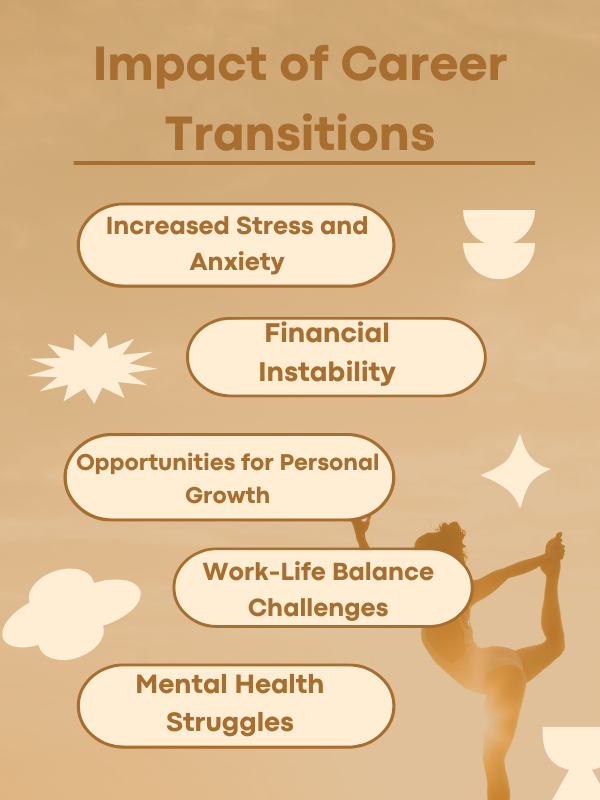
Career changes impact more than just your job title—they affect your identity, sense of purpose, and mental well-being. The uncertainty that comes with change often leads to increased anxiety, stress, or even depression. In India, where job security and career paths are often deeply tied to personal and family identity, these transitions can feel even more daunting.
Imagine starting a new job where everything feels unfamiliar. It’s common to feel imposter syndrome—doubting your abilities despite your qualifications. Or perhaps, after a layoff, you're navigating unemployment, facing feelings of rejection, and worrying about your financial stability. Each of these scenarios affects mental health in unique ways.
Research Insight:
A study by the American Psychological Association shows that 60% of employees report feeling stressed during career changes. These stressors, if unmanaged, can lead to long-term health issues such as chronic anxiety or burnout.
How to Manage Mental Health During Career Transitions
Managing mental health during a career transition requires intentional effort and support. Here's how you can keep your mental well-being intact through the process:
Self-Awareness and Acceptance
The first step in protecting your mental health is to acknowledge the emotional impact of the transition. It’s okay to feel overwhelmed or unsure. Accepting these feelings instead of pushing them aside allows you to deal with them effectively. Journaling your thoughts, discussing your concerns with a close friend, or simply taking time to reflect can help.
Creating a Support Network
Whether it’s friends, family, or professionals like career counselors and therapists, having a strong support system is vital. Surround yourself with people who understand your situation and can offer encouragement or guidance. In India, where family often plays a central role in decision-making, leaning on them for emotional support can make a huge difference.
Setting Small, Achievable Goals
Breaking down your career transition into smaller, manageable tasks helps reduce the overwhelming feeling that comes with major changes. For instance, if you’re moving into a new industry, focus on short-term goals such as upskilling, networking, or refining your resume. This not only boosts productivity but also improves mental well-being by giving you a sense of accomplishment.
Case Study:
One of Click2Pro’s clients, Arjun, a mid-career professional, switched from finance to a creative role in advertising. While initially excited, he soon found himself stressed by the new demands and unfamiliar expectations. Working with a therapist from Click2Pro, Arjun was able to break his transition into smaller goals—he focused first on mastering specific tools needed for his role. This helped alleviate stress and gave him confidence as he settled into his new career.
Seeking Professional Help
Sometimes, the emotional challenges of a career transition can be too overwhelming to manage alone. Seeking help from a professional, like a therapist, can be invaluable. Therapists offer coping strategies for anxiety, imposter syndrome, and feelings of self-doubt that often accompany career changes. Therapy is especially beneficial for those who may also be dealing with additional stressors, such as financial pressures or family expectations.
For those seeking mental health support during career transitions, the best online therapy in India offers convenient, flexible, and confidential options, allowing individuals to access professional help from the comfort of their homes.
At Click2Pro, our therapists work with clients to provide tailored strategies for managing stress, developing resilience, and improving self-care routines during career transitions.
Building Resilience for Future Career Changes
Career transitions aren’t one-time events. As industries change, new opportunities arise, and personal goals evolve, you may find yourself facing multiple career changes throughout your life. Learning how to build resilience now can help ease the mental strain of future transitions.
Adopting a Growth Mindset
Shifting your mindset to see career transitions as opportunities for growth rather than setbacks is crucial. A growth mindset enables you to view challenges as learning experiences, which reduces anxiety and helps you bounce back from obstacles faster. According to Stanford psychologist Carol Dweck, people with growth mindsets are more likely to embrace change and navigate transitions successfully.
Maintaining Mental Health Routines
Even after you’ve transitioned into a new role or career, it’s essential to maintain mental health practices. Regular exercise, mindfulness meditation, and taking time off to recharge are all key to long-term well-being. Staying connected with your support system and occasionally checking in with a therapist ensures that you are mentally prepared for any future career changes.
The Role of Therapy During Career Transitions
Career transitions often come with emotional highs and lows. Therapy can play a vital role in helping individuals navigate these emotions. Cognitive Behavioral Therapy (CBT), for example, is highly effective in managing anxiety related to uncertainty and new challenges. It helps individuals break negative thought patterns, offering a structured approach to dealing with stress and self-doubt.
Online counselling services provide accessible and affordable mental health support, making it easier for individuals facing career-related anxiety or uncertainty to connect with experienced therapists.
Success Story:
Seema, another client of Click2Pro, was transitioning from a secure job in the public sector to an entrepreneurial venture. She struggled with feelings of fear and self-doubt. Through regular therapy sessions, she was able to reframe her negative thinking, allowing her to embrace the excitement of her new career path with confidence.
Conclusion
Navigating a career transition is never easy, but by focusing on mental health, seeking support, and building resilience, you can make the process smoother. Whether you’re switching industries, recovering from a layoff, or transitioning into a new phase of your career, taking care of your mental well-being is essential. Career transitions can be an exciting time of growth and self-discovery—embrace them with a positive mindset and the support you need.
At Click2Pro, we understand the mental health challenges that accompany career changes. Our team of experienced therapists is here to provide support and guidance, helping you navigate these transitions while prioritizing your well-being.
FAQs
1. How can I reduce stress during a career transition?
Breaking down the process into manageable steps, setting realistic goals, and maintaining a support network can significantly reduce stress. Additionally, seeking professional therapy can help manage anxiety.
2. Why do I feel anxious during a career change?
Career transitions can trigger anxiety due to uncertainty, fear of failure, and disruption of routine. These feelings are natural but can be managed with self-care and professional support.
3. What role does therapy play in career transitions?
Therapy provides a safe space to discuss fears and anxieties associated with career transitions. Therapists offer strategies to cope with stress, build resilience, and develop confidence.
4. How can I stay mentally healthy during a career transition?
Focus on self-care, stay connected with your support network, and consider seeking professional guidance. It’s important to acknowledge your feelings and maintain balance throughout the process.
5. When should I seek professional help during a career change?
If stress, anxiety, or self-doubt is affecting your ability to make decisions or function daily, it may be time to seek therapy. A mental health professional can provide strategies to cope with the transition more effectively.
About the Author
Namrata Sharma is a Senior Psychologist at Click2Pro with over a decade of experience in the mental health field. She specializes in helping individuals navigate life transitions, including career changes, and provides support through evidence-based therapeutic approaches such as Cognitive Behavioral Therapy (CBT) and mindfulness techniques. Namrata is passionate about promoting mental health awareness and empowering individuals to manage stress, anxiety, and self-doubt during significant life changes. Her empathetic and holistic approach has helped numerous clients successfully transition into new career paths while maintaining their mental well-being.