Table of Contents
Stress is an inevitable part of life, especially in today’s fast-paced world. However, there are scientifically backed ways to manage it effectively. This blog dives deep into the top five expert-backed strategies proven to reduce stress, providing actionable insights you can incorporate into your life immediately.
Mindfulness Meditation for Immediate Stress Relief
Mindfulness meditation is one of the most effective techniques for reducing stress. Research has consistently shown that it lowers cortisol levels—the hormone responsible for stress. Practicing mindfulness helps you stay present and avoid ruminating over past or future worries, which often exacerbates stress.
How to Apply: Start with short 5-10 minute breathing exercises. Close your eyes, focus on your breath, and observe your thoughts without judgment. Several apps, like Headspace or Calm, provide guided meditations that can ease beginners into the practice.
Mindfulness can also benefit individuals seeking online counselling in India, as it aligns with therapy practices focused on stress reduction. Incorporating it into your routine can complement professional guidance in managing day-to-day pressures.
Cognitive Behavioral Therapy (CBT): Reframe Negative Thoughts
Cognitive Behavioral Therapy (CBT) is a highly effective, research-backed psychological approach to managing stress. It focuses on identifying negative thought patterns that amplify stress and reframe them into positive or neutral thoughts.
How to Apply: The next time you encounter a stressful situation, pause and ask yourself, "Is this thought helping or hurting me?" Replace self-defeating beliefs with constructive ones. For example, instead of thinking, "I’ll never meet this deadline," shift to "I’ve met tough deadlines before, and I can do it again." This change in mindset reduces the intensity of stress and empowers you to take control of the situation.
Physical Exercise: A Natural Stress Buster
Exercise is nature’s stress reliever. Physical activity stimulates the production of endorphins, chemicals in the brain that act as natural painkillers and mood elevators. Studies have shown that regular exercise helps combat stress, anxiety, and even depression.
How to Apply: You don’t need to train for a marathon to enjoy the benefits of exercise. A simple 30-minute walk or a yoga session can do wonders for your mental health. Activities such as dancing, swimming, or even a light jog around your neighborhood can quickly boost your mood and reduce stress.
Expert Tip: Aim to integrate movement into your daily routine. Whether it's walking while listening to a podcast or doing a short stretch during work breaks, every bit of physical activity helps.
Prioritizing Sleep for Stress Management
Sleep and stress are deeply interconnected. Poor sleep can lead to increased stress levels, and stress can severely impact your ability to fall asleep. Prioritizing good sleep hygiene is crucial for effective stress management.
How to Apply: Set a consistent sleep schedule and stick to it, even on weekends. Avoid screens at least 30 minutes before bed, as the blue light from devices can disrupt your circadian rhythm. Consider creating a calming bedtime routine—perhaps dimming the lights, playing soothing music, or reading.
Expert Insight: For people dealing with online counselling in India, addressing sleep problems is often one of the key steps recommended by therapists to manage overall well-being.
Time Management and Setting Boundaries: Preventing Burnout
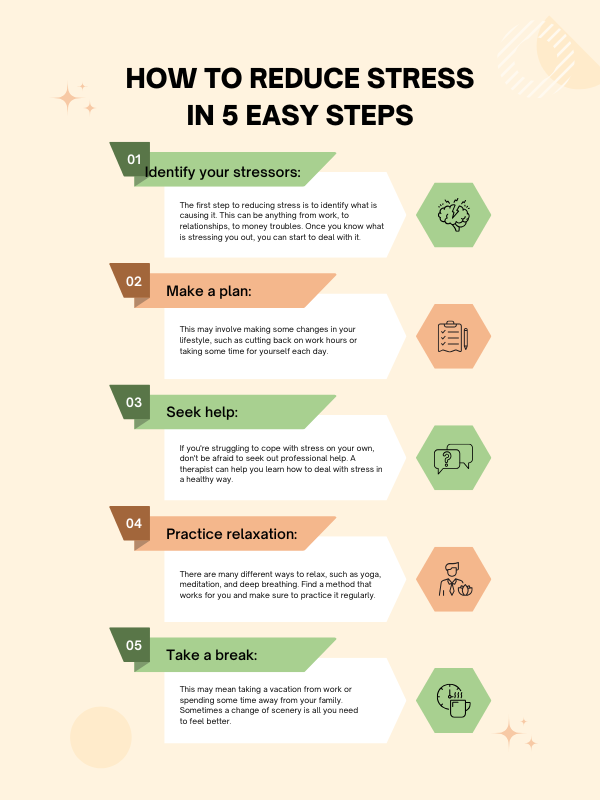
Effective time management and the ability to set boundaries are essential in reducing stress. Poor time management often leads to overwhelming workloads, and not setting boundaries can cause you to take on more than you can handle—both key contributors to burnout.
How to Apply: Try the Pomodoro technique, where you work for 25 minutes, then take a 5-minute break. This helps you stay focused and prevent work overload. Additionally, learn to say "no" to tasks that add unnecessary stress.
Expert Tip: Use tools like task management apps (e.g., Trello, Todoist) to prioritize and allocate time for each task. This helps in managing workloads effectively and maintaining a healthy work-life balance.
Conclusion
Managing stress is not a one-size-fits-all solution. It’s about experimenting with different strategies and finding what works best for you. Whether it's through mindfulness, CBT, physical activity, better sleep, or setting clear boundaries, these expert-backed techniques are designed to help reduce stress and improve your overall well-being. By incorporating these into your daily routine, you can regain control over stress and lead a more balanced life.
About the Author
Shubhra Varma is a Senior Psychologist at Click2Pro, specializing in stress management, mindfulness practices, and Cognitive Behavioral Therapy (CBT). With years of experience in helping clients overcome anxiety, stress, and burnout, she is passionate about using science-backed techniques to improve mental well-being. Shubhra believes in holistic therapy and the integration of modern techniques with traditional practices to help individuals lead more balanced lives.
FAQs
1.What are quick ways to reduce stress?
Quick methods include mindfulness breathing exercises, stretching, or even taking a 5-minute walk. These activities can instantly activate the body’s relaxation response.
2.How does exercise reduce stress?
Exercise releases endorphins, which act as natural mood lifters. It also reduces levels of cortisol, the body’s stress hormone, making you feel more relaxed.
3.Can stress be reduced without medication?
Yes, stress can be managed through natural methods like meditation, CBT, physical exercise, and good sleep hygiene. Seeking professional help via online counselling in India is also an excellent drug-free method to manage stress.
4.What are the best stress management techniques?
The top stress management techniques include mindfulness meditation, CBT, regular exercise, prioritizing sleep, and effective time management.
5.How does mindfulness reduce stress?
Mindfulness helps you stay present, preventing rumination on stressful thoughts. Regular mindfulness practice has been shown to lower cortisol levels and improve emotional regulation.