Table of Contents
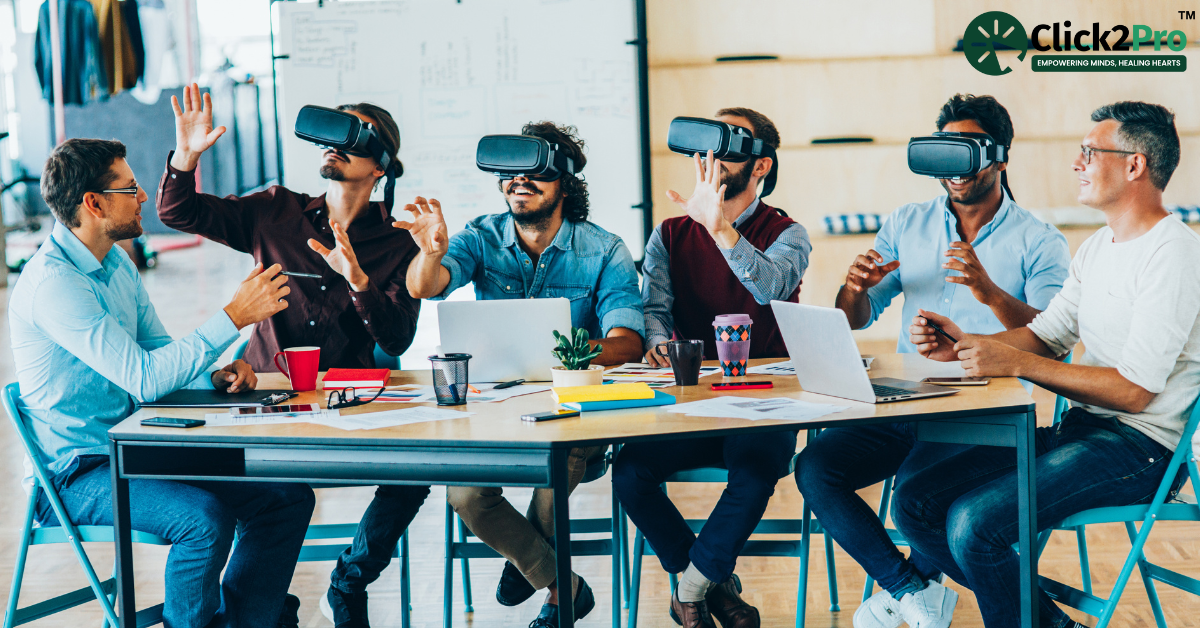
Virtual reality's unique capabilities allow therapists to create realistic simulations tailored to individual patient needs. For instance, someone with a fear of heights can experience standing on a virtual ledge, gradually acclimating to the sensation in a safe setting. This method, known as Virtual Reality Exposure Therapy (VRET), has shown promising results in reducing phobia-related symptoms.
This revolutionary approach is now being embraced worldwide, and if you're searching for the best psychologist in Angul, consider exploring VR therapy options offered by professionals who specialize in phobia and paranoia treatment.
Benefits of VR in Therapy
One of the primary advantages of VR therapy is the ability to provide a safe and controlled environment for exposure therapy. Patients can face their fears without real-world risks, allowing for gradual desensitization. Additionally, VR experiences can be personalized, adapting to the specific triggers and severity of each individual's phobia or paranoia. This customization enhances the effectiveness of the online mental health therapy. Moreover, VR therapy can be more cost-effective and accessible, especially for individuals in remote areas or those with limited access to traditional therapy settings.
Addressing Common Phobias with VR
VR therapy has been successfully applied to various phobias, including:
Acrophobia (Fear of Heights): Patients can virtually experience heights, gradually reducing their fear response.
Claustrophobia (Fear of Enclosed Spaces): Simulated environments like elevators or small rooms help individuals confront and manage their anxiety.
Social Phobia: Virtual social interactions allow patients to practice and improve their social skills in a controlled setting.
Treating Paranoia with VR
For individuals experiencing paranoia, VR offers simulations of social situations that may trigger their symptoms. By engaging in these virtual scenarios, patients can practice coping strategies and challenge their irrational thoughts. Studies have indicated that VR-based cognitive-behavioral therapy can significantly reduce paranoid thoughts and anxiety.
Research and Case Studies
Numerous studies support the efficacy of VR therapy in mental health treatment. A systematic review found that VRET is effective in treating various phobias, often yielding results comparable to traditional exposure therapy.
Challenges and Limitations
Despite its benefits, VR therapy faces certain challenges. Technological limitations, such as the cost of VR equipment and the need for technical expertise, can hinder widespread adoption. Additionally, some patients may experience side effects like dizziness or nausea during VR sessions. It's crucial for therapists to be trained in VR therapy to ensure its safe and effective application.
Future Outlook
The future of VR in mental health treatment is promising. Advancements in technology are making VR more accessible and affordable. As VR becomes more integrated into therapeutic practices, it's expected to play a significant role in treating not only phobias and paranoia but also other mental health conditions like PTSD and depression.
Conclusion
Virtual reality is revolutionizing mental health care by providing innovative solutions for treating phobias and paranoia. Its ability to create immersive, controlled, and personalized therapeutic environments offers patients new avenues for managing and overcoming their fears. As technology continues to advance, VR therapy is poised to become a mainstream tool in mental health treatment, offering hope and healing to many.
FAQs
-
How effective is virtual reality in treating phobias?
Virtual reality has proven to be highly effective in treating phobias by providing controlled exposure to feared stimuli, leading to significant reductions in anxiety and avoidance behaviors.
-
What types of phobias can be treated with VR therapy?
VR therapy can address various phobias, including fear of heights, flying, spiders, and social situations, by simulating these scenarios in a safe environment.
-
How does VR therapy help with paranoia?
VR therapy helps individuals with paranoia by allowing them to engage in virtual social interactions, helping them challenge and reframe irrational thoughts in a controlled setting.
-
Are there any risks associated with VR therapy for mental health?
While generally safe, some individuals may experience side effects like dizziness or nausea during VR sessions. It's essential for therapy to be conducted by trained professionals to monitor and manage any adverse effects.
-
What is the future of VR in mental health treatment?
The future of VR in mental health treatment is promising, with ongoing advancements making it more accessible and effective for a broader range of conditions beyond phobias and paranoia.
-
How is virtual reality different from traditional exposure therapy?
Unlike traditional exposure therapy, VR allows for immersive and controlled simulations of feared situations, providing a safe space for individuals to confront and manage their fears.
-
How can I access VR therapy for phobias or paranoia?
Access to VR therapy may vary by location. It's advisable to consult with mental health professionals or clinics that offer VR-based treatments to determine availability and suitability.