Table of Contents
Joining the military is a path that requires not just physical stamina but also mental resilience. Mental health plays a significant role in military readiness, which is why the screening process is rigorous. However, many prospective recruits might wonder: What mental health issues could prevent me from serving?
In this blog, we’ll explore the mental health conditions that typically disqualify individuals from military service, delve into military standards, and offer insights into the waiver process. This guide will be especially helpful for Indian users and international readers who are contemplating a military career or want clarity on how mental health factors into military eligibility.
Mental Health Standards in Military Recruitment
The military has strict standards for mental health. These guidelines, determined by the Department of Defense (DoD), ensure that all recruits are mentally fit for the challenges ahead. Mental health conditions can affect decision-making, emotional regulation, and stress tolerance — all of which are crucial in high-pressure, dangerous environments.
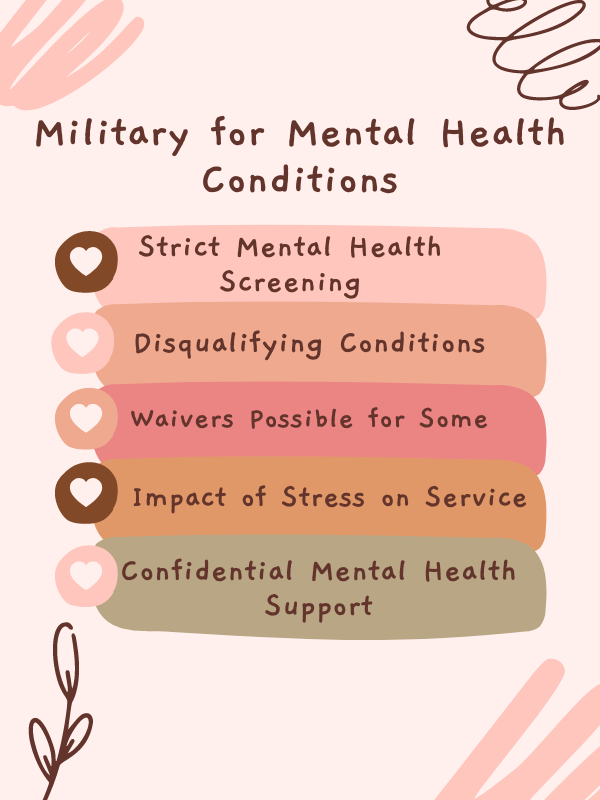
The Military Entrance Processing Station (MEPS) conducts comprehensive mental health evaluations to determine whether applicants meet the required standards. Recruits are expected to disclose any prior mental health history, as concealment can result in disqualification or later discharge. The primary concern is that mental health conditions could impact operational effectiveness and safety for both the individual and the unit.
Mental Health Conditions That May Disqualify You from Military Service
While the list of mental health conditions that disqualify an applicant is extensive, the military particularly focuses on those that compromise a recruit’s ability to perform under stress or manage complex responsibilities. Here are some common mental health conditions that may lead to disqualification:
If you're worried about whether conditions like depression or anxiety might disqualify you from service, seeking support from an online psychologist in India could help you manage these issues while exploring your military options.
Personality Disorders
Personality disorders such as Borderline Personality Disorder (BPD), Antisocial Personality Disorder (ASPD), and Narcissistic Personality Disorder are seen as incompatible with military service. These disorders can interfere with teamwork, communication, and stability — vital traits in any military setting.
Mood Disorders
Mood disorders like Major Depressive Disorder (MDD), Bipolar Disorder, and Persistent Depressive Disorder (dysthymia) often lead to disqualification. These conditions can severely affect an individual’s energy, concentration, and reliability, which are essential traits for soldiers.
Anxiety and Stress-Related Disorders
Generalized Anxiety Disorder (GAD), Panic Disorder, and Post-Traumatic Stress Disorder (PTSD) are frequently disqualifying. In a military environment, where high-pressure and dangerous situations are common, the ability to manage stress and anxiety is critical.
Psychotic Disorders
Conditions such as Schizophrenia, Delusional Disorder, and Schizoaffective Disorder are automatic disqualifiers. These disorders can result in hallucinations or distorted perceptions of reality, posing a significant risk in high-stakes military operations.
Substance Use Disorders
Substance abuse, whether past or present, is a disqualifier for military service. Individuals who have a history of alcohol or drug dependency are often seen as unreliable and unable to handle the pressures of military life.
Developmental Disorders
Conditions like ADHD, Autism Spectrum Disorder (ASD), and learning disabilities can also lead to disqualification, especially if they affect a recruit’s ability to follow instructions, multitask, or communicate effectively. However, waivers may be possible in cases where the condition is well-managed.
Temporary vs. Permanent Disqualifications
Some mental health conditions result in permanent disqualification, while others are considered temporary. For example, an individual who experiences an episode of depression due to external factors (e.g., loss of a loved one) may be temporarily disqualified but can reapply once they demonstrate mental stability over a prolonged period.
The military distinguishes between conditions that are manageable and those that pose long-term risks. Applicants with a history of mental health issues are encouraged to be transparent during the recruitment process, as concealment can lead to disqualification even after enlistment.
Military Waivers for Mental Health Conditions
In some cases, waivers can be granted for certain mental health conditions, particularly if the applicant has undergone successful treatment and has shown long-term stability. The decision to grant a waiver depends on several factors, including the nature of the condition, its severity, the treatment received, and the individual’s current mental health status.
For instance, individuals with ADHD may receive a waiver if they have been symptom-free for an extended period without the use of medication. Similarly, recruits who have experienced anxiety or mild depression may still be considered for service if they can demonstrate that their condition is under control.
In cases where mental health conditions can be managed effectively, working with the best online psychologist in India may improve your chances of stability and, in some cases, help in the waiver application process.
What Happens If You Hide a Mental Health Condition?
Being transparent during the recruitment process is critical. If a recruit hides a mental health condition and it later comes to light, this can result in immediate discharge from service. The military takes the mental health of its members seriously, and honesty during the evaluation process is key to ensuring everyone’s safety.
FAQs
1. What mental health conditions disqualify you from the military?
Conditions like schizophrenia, bipolar disorder, and severe anxiety disorders typically disqualify individuals from military service. Substance use disorders and personality disorders like Borderline Personality Disorder (BPD) are also disqualifying.
2. Can you join the military if you’ve been treated for depression?
Yes, in some cases, a history of depression does not automatically disqualify you. However, you must demonstrate long-term stability and show that your depression is well-managed without recurrence.
3. Can ADHD disqualify you from the military?
ADHD may disqualify you, especially if it affects your ability to perform tasks without medication. However, if an individual can show that they have been symptom-free and medication-free for a considerable time, they may qualify for a waiver.
4. Can you get a waiver for anxiety in the military?
Waivers may be granted for mild anxiety disorders, particularly if they are well-managed. Severe anxiety or panic disorders typically lead to disqualification without a waiver.
5. What happens if you lie about your mental health during military screening?
Lying about your mental health during screening can lead to disqualification or discharge from service. The military performs comprehensive background checks, so it’s important to be honest.
Conclusion
Mental health conditions play a crucial role in determining military eligibility, and the standards are set to ensure that recruits are both physically and mentally capable of performing under stress. While some conditions are disqualifying, there are cases where waivers may be possible, particularly when the individual can show long-term stability. If you’re considering joining the military, it's essential to be upfront about your mental health history, as honesty will save you from potential discharge later on.
About the Author
Mishika Sethi is a Senior Psychologist at Click2Pro with over a decade of experience in mental health counselling and psychological assessments. She specializes in helping individuals overcome anxiety, depression, and trauma through personalized, evidence-based therapy. Mishika is passionate about promoting mental well-being and breaking the stigma surrounding mental health.