Table of Contents
- Why Work-Life Balance Matters for Mental Health
- The Psychological Impact of Poor Work-Life Balance
- Government Initiatives and NGO Actions
- Effective Strategies for Achieving Work-Life Balance
- CLICK2PRO’s Role in Supporting Mental Health
- International and Indian Research on Work-Life Balance
- FAQs
- Conclusion
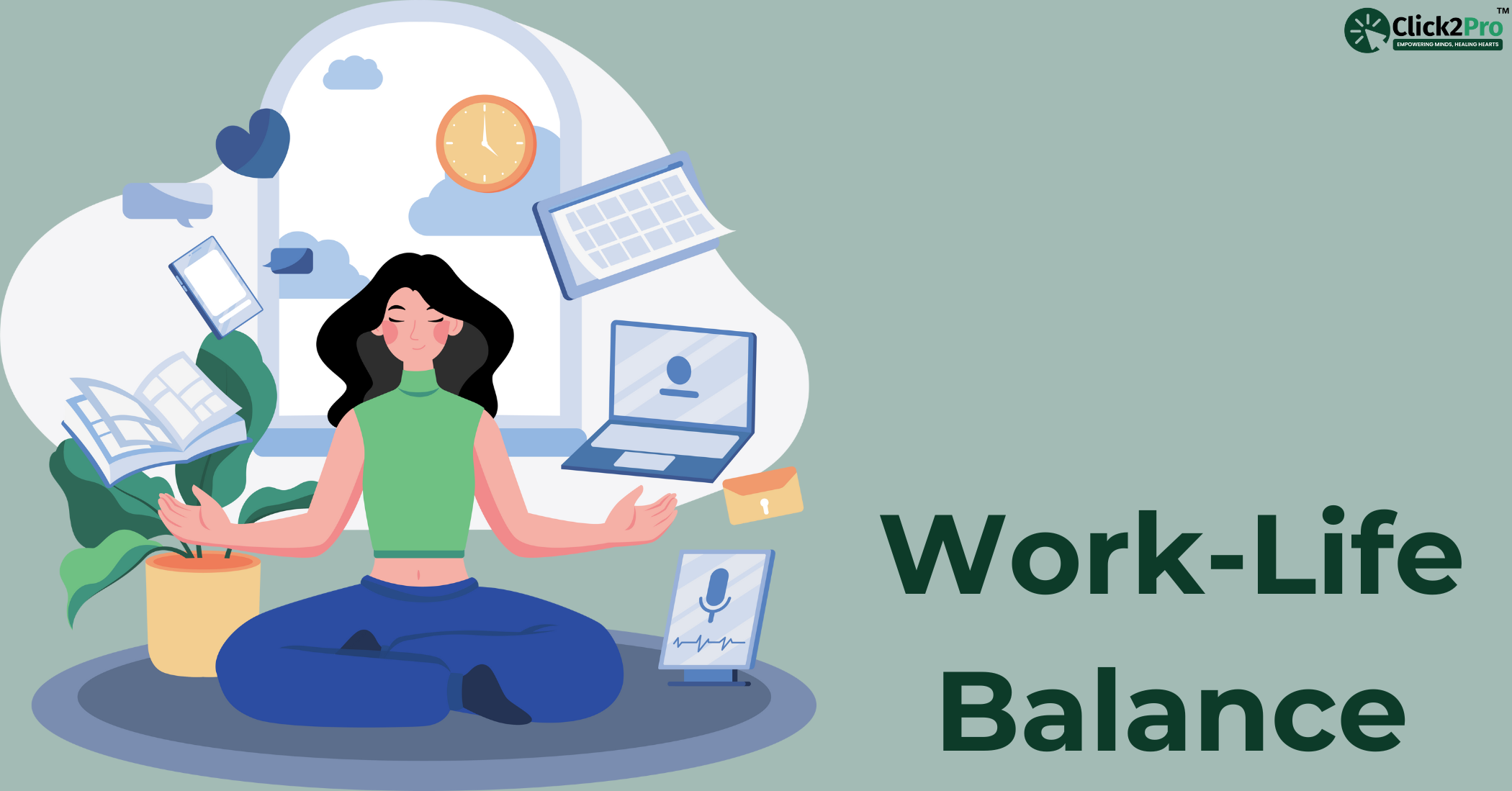
In today's fast-paced world, where long work hours and constant connectivity blur the lines between professional and personal lives, achieving work-life balance has become more crucial than ever. Work-life balance is not merely about dividing your time between work and leisure; it’s about creating harmony that improves mental health, reduces stress, and enhances overall well-being.
Studies from global organizations like WHO and ILO emphasize the link between poor work-life balance and increasing rates of burnout, depression, and anxiety. In India, where cultural and societal norms often demand relentless dedication to work, cities like Gorakhpur are witnessing a rise in mental health issues stemming from imbalanced lifestyles. According to government statistics, over 15% of Indian adults experience work-related mental health challenges, with smaller cities being particularly vulnerable due to limited resources.
This blog explores the significance of work-life balance for mental health, backed by research data, government initiatives, and psychological theories, and provides actionable strategies for achieving balance. Whether you're in Gorakhpur or any part of India, learn how to foster a healthier relationship between work and life with expert support from CLICK2PRO.
Therapists in Gorakhpur can help individuals navigate the challenges of work-life balance and mental health, offering tailored strategies to improve overall well-being.
Why Work-Life Balance Matters for Mental Health
Achieving work-life balance can transform your mental health by:
- Reducing Stress: Taking time to recharge lowers cortisol levels, reducing the risk of chronic stress.
- Improving Emotional Well-Being: Balanced individuals report higher happiness levels and emotional resilience.
- Enhancing Productivity: Employees with better balance are 20% more productive, as reported by a recent ILO study.
- Fostering Relationships: Spending quality time with loved ones improves connections and reduces loneliness.
- Indian Perspective: In Gorakhpur, professionals in education, healthcare, and local industries face significant challenges in finding balance, often leading to higher rates of anxiety and depression.
The Psychological Impact of Poor Work-Life Balance
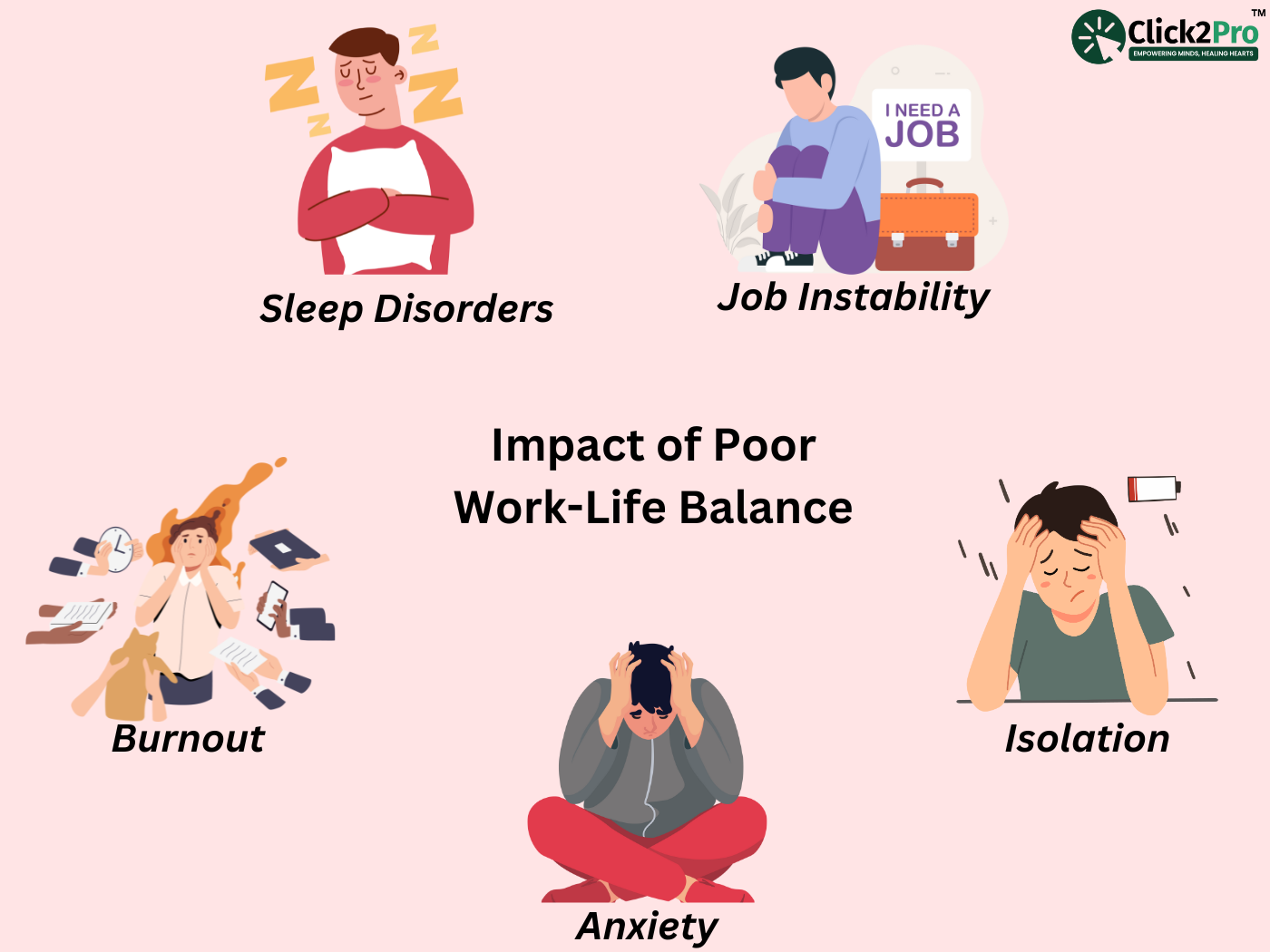
Failing to maintain balance can result in:
- Burnout: Emotional and physical exhaustion from prolonged stress.
- Depression and Anxiety: Long hours and inadequate personal time contribute to mental health deterioration.
- Cognitive Overload: Impaired decision-making and reduced focus.
- Physical Symptoms: Stress-related ailments like headaches, fatigue, and digestive issues.
A study by NIMHANS (National Institute of Mental Health and Neurosciences) revealed that 60% of Indian workers feel mentally exhausted due to work-related stress. Gorakhpur’s professionals, with fewer mental health resources, are particularly susceptible to these effects.
Government Initiatives and NGO Actions
The Indian government has implemented several programs to support mental health and work-life balance:
National Mental Health Programme (NMHP): Provides free mental health services, including counselling, across India.
District Mental Health Programme (DMHP): Focuses on smaller cities like Gorakhpur, offering affordable mental health support.
Government Helplines: Toll-free numbers for psychological support (e.g., Kiran Helpline: 1800-599-0019).
NGO Actions: Organizations like Manas Foundation work to promote awareness and provide resources for achieving balance.
Effective Strategies for Achieving Work-Life Balance
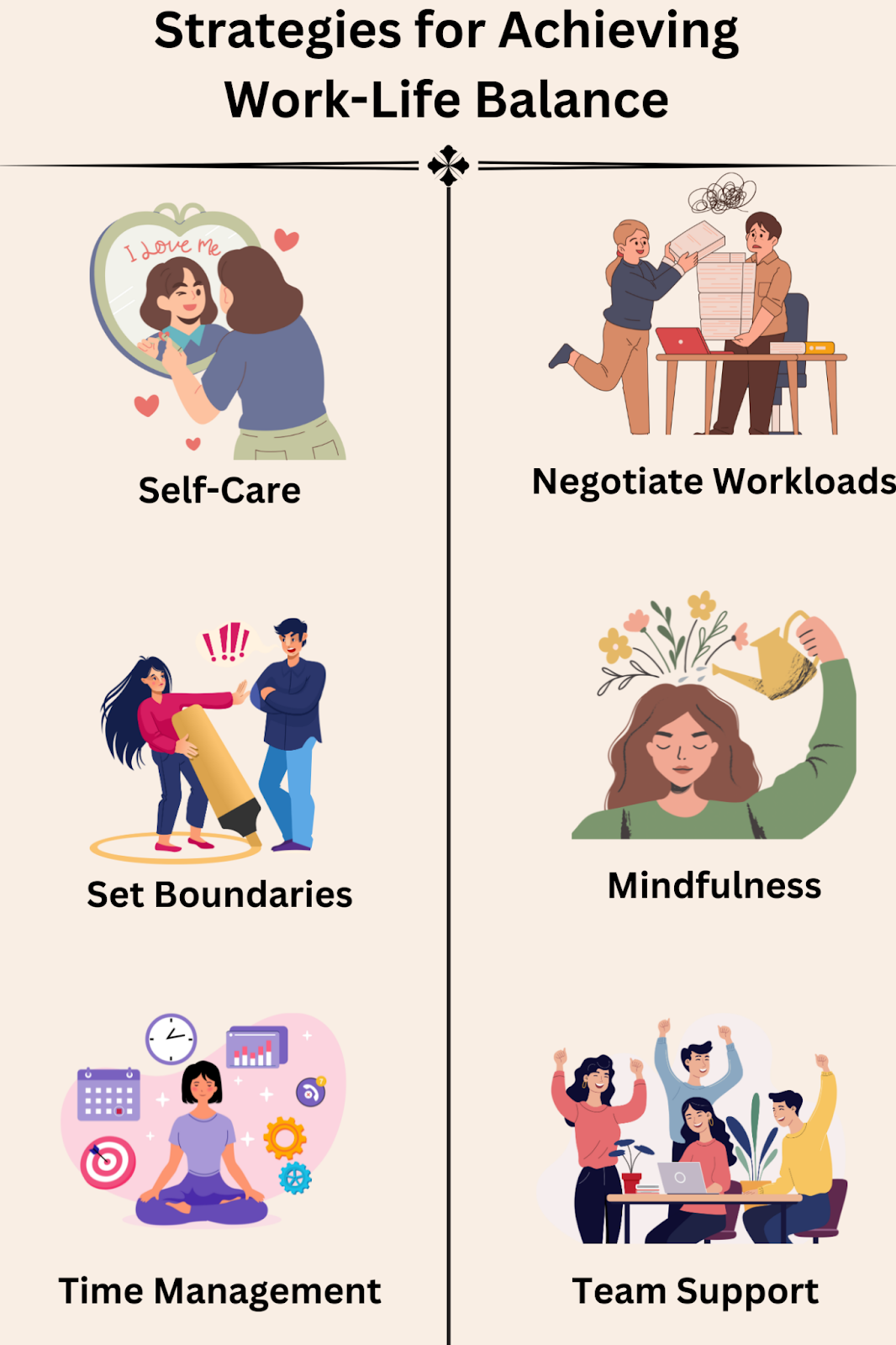
Time Management
-
Prioritize tasks using tools like the Eisenhower Matrix.
-
Set fixed working hours and adhere to them.
Set Boundaries
-
Avoid work emails or calls after working hours.
-
Dedicate weekends to family, hobbies, and relaxation.
Leverage Technology
-
Use productivity apps for better task management.
-
Set reminders for breaks.
Self-Care Practices
-
Incorporate yoga, meditation, or physical exercise into your routine.
-
Pursue hobbies that rejuvenate your mind and body.
Seek Professional Help
Platforms like CLICK2PRO offer online counselling tailored to address stress and burnout.
CLICK2PRO’s Role in Supporting Mental Health
In Gorakhpur:
- CLICK2PRO has helped hundreds of professionals balance their lives through personalized counselling and mental health workshops.
- Success stories include clients overcoming anxiety and reclaiming personal time.
Across India:
- Services are accessible in over 50 cities, offering both online and in-person counselling.
- Specialized programs for work-related stress management have achieved a 90% satisfaction rate.
International and Indian Research on Work-Life Balance
- WHO and ILO Study: Shows that individuals working over 55 hours a week are at a 35% higher risk of depression.
- Indian Council of Medical Research (ICMR): Highlights that 25% of professionals experience mental health issues due to poor work-life balance.
- Maslow’s Hierarchy of Needs: Aligns with the importance of fulfilling both professional and personal goals for overall well-being.
Mental Health Status in Gorakhpur
- Over 40% of Gorakhpur’s workforce struggles with work-life balance, often due to long hours in sectors like healthcare and education.
- Government and NGO reports highlight the lack of adequate mental health facilities in the region, making services like CLICK2PRO essential.
Comparative Analysis
|
Aspect |
Gorakhpur |
Metro Cities |
|
Mental Health Issues |
Anxiety, depression common |
Stress-related illnesses |
|
Resources Available |
Limited government programs |
Multiple private options |
|
Work Culture |
High pressure, rigid hours |
Flexible arrangements |
Long-Term Benefits of Work-Life Balance
-
Improved Resilience: Greater ability to handle stress and adversity.
-
Better Relationships: Strengthened bonds with family and friends.
-
Enhanced Creativity: Balanced individuals exhibit higher productivity and innovation.
FAQs
-
Why is work-life balance important for mental health?
A healthy balance reduces stress, prevents burnout, and improves emotional well-being.
-
What are the top strategies for work-life balance?
Effective time management, setting boundaries, and mindfulness practices.
-
How can employers support balance?
Flexible work hours, mental health programs, and a supportive culture.
-
Does poor work-life balance cause physical health issues?
Yes, it can lead to headaches, sleep disorders, and fatigue.
-
How does CLICK2PRO help?
Through tailored counselling and stress management programs available online and in-person.
Conclusion
Work-life balance is not a luxury but a necessity for maintaining mental health and overall well-being. Whether you’re navigating a busy career in Gorakhpur or facing similar challenges elsewhere in India, achieving this balance is possible with consistent effort and the right support. Platforms like CLICK2PRO make it easier to prioritize mental health, offering accessible, affordable, and effective counselling services tailored to individual needs.
Take your first step toward balance and better well-being—book your session with CLICK2PRO today!