Table of Contents
Anger is a natural human emotion, but when it arises unchecked in family relationships, it can erode trust, disrupt harmony, and leave lasting emotional scars. In India, where family bonds are deeply rooted in tradition and culture, managing anger within households is essential for maintaining peace and fostering strong connections. Cities like Gwalior, with their close-knit communities and evolving urban stresses, face unique challenges in balancing traditional values and modern pressures, often making family conflicts more intense.
Effective anger management in families involves parental anger management techniques and emotional regulation strategies that play a critical role in family conflict resolution.
Statistics reveal that unresolved anger within families often leads to long-term emotional and psychological effects, particularly on children. Studies conducted by the National Institute of Mental Health and Neurosciences (NIMHANS) in India highlight how unaddressed anger can escalate into chronic stress, anxiety, and even depression among family members. Addressing anger in relationships requires a combination of self-awareness, effective communication, and external support from mental health professionals.
This guide explores practical strategies to manage anger in family dynamics, backed by government initiatives, psychological research, and proven methods for healthier homes.
The Mental Health Status in Gwalior
-
Current Trends: According to data from the Mental Health Department of Madhya Pradesh, over 20% of families in urban centers like Gwalior report experiencing emotional distress due to unresolved conflicts at home.
-
Cultural Factors: Joint family systems, financial pressures, and generational divides often amplify anger triggers.
-
Comparative Context: Families in Gwalior juggle traditional expectations while adapting to modern lifestyles, creating unique stressors that require targeted solutions.
Common Triggers of Anger in Families
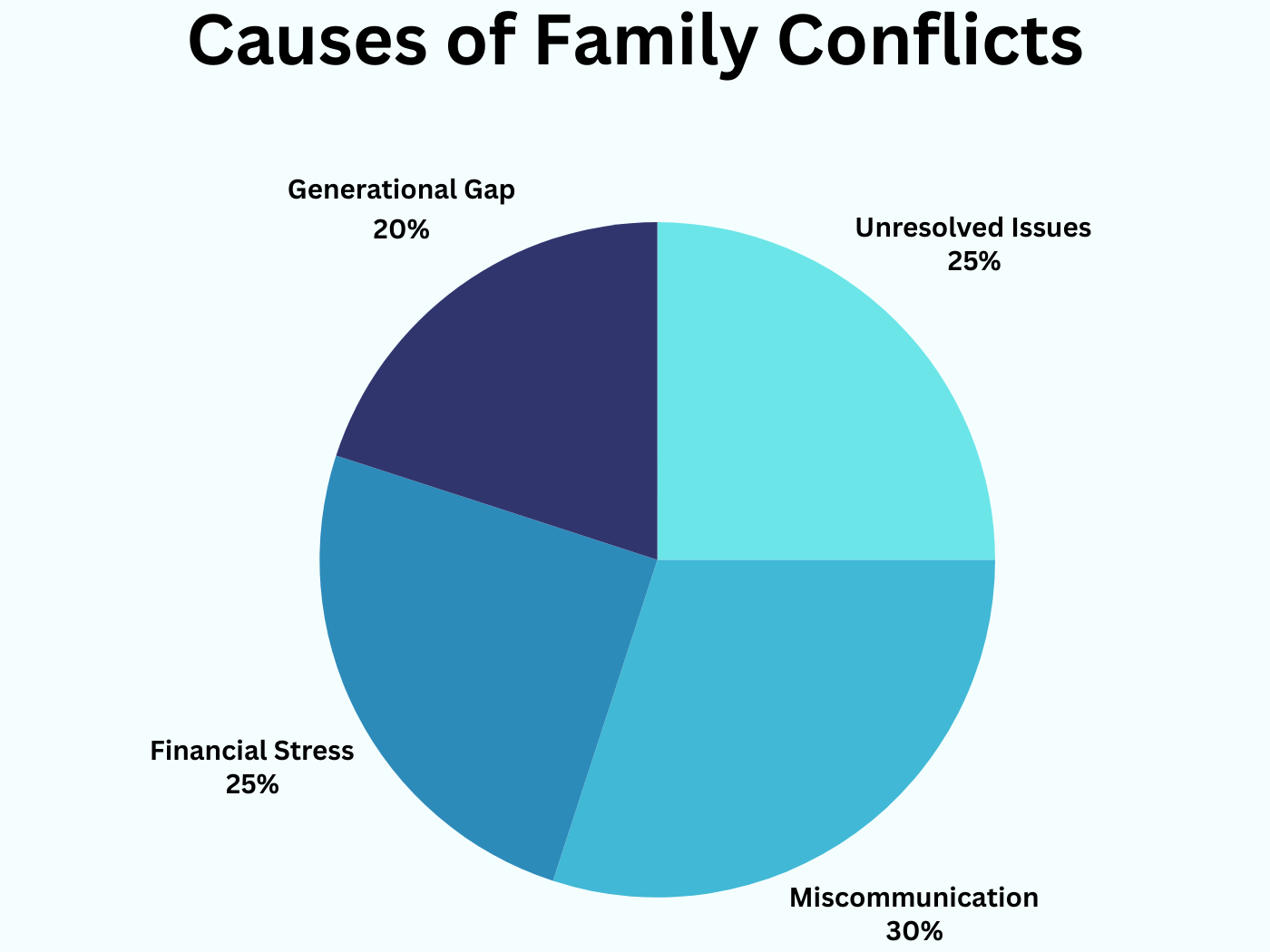
Miscommunication
-
Generational gaps in families, especially in areas like Thatipur and Lashkar, lead to misunderstandings between parents and children.
-
Example: A child feels unheard when sharing academic struggles with parents who prioritize traditional career paths.
Unresolved Past Issues
-
Lingering tensions from unresolved conflicts resurface during family disagreements.
-
Cultural norms in India often discourage open confrontation, allowing issues to fester.
External Pressures
-
Financial stress, career demands, and societal expectations exacerbate family tensions.
-
Data from the Indian Council of Medical Research (ICMR) reveals that economic challenges contribute to 30% of family-related disputes in urban areas.
Psychological Impact of Anger on Families
-
On Children:
Research by NIMHANS shows that children exposed to frequent familial anger develop emotional insecurities, anxiety, and a higher propensity for anger issues themselves.
Example: A resident in Morar shared how therapy helped her children overcome the trauma of a high-conflict household.
-
Extended Family Dynamics:
Joint families may see unresolved anger ripple through multiple generations, affecting overall harmony.
Government and NGO Initiatives in Gwalior
-
Government Resources:
Local counselling centers supported by the National Health Mission (NHM) provide accessible mental health services.
Helpline 181 in Madhya Pradesh addresses domestic conflicts, offering professional guidance.
-
NGO Contributions:
Organizations like Sparsh Mental Health NGO in Gwalior work to bridge the gap between traditional stigma and modern mental health care.
Strategies for Managing Anger in Families
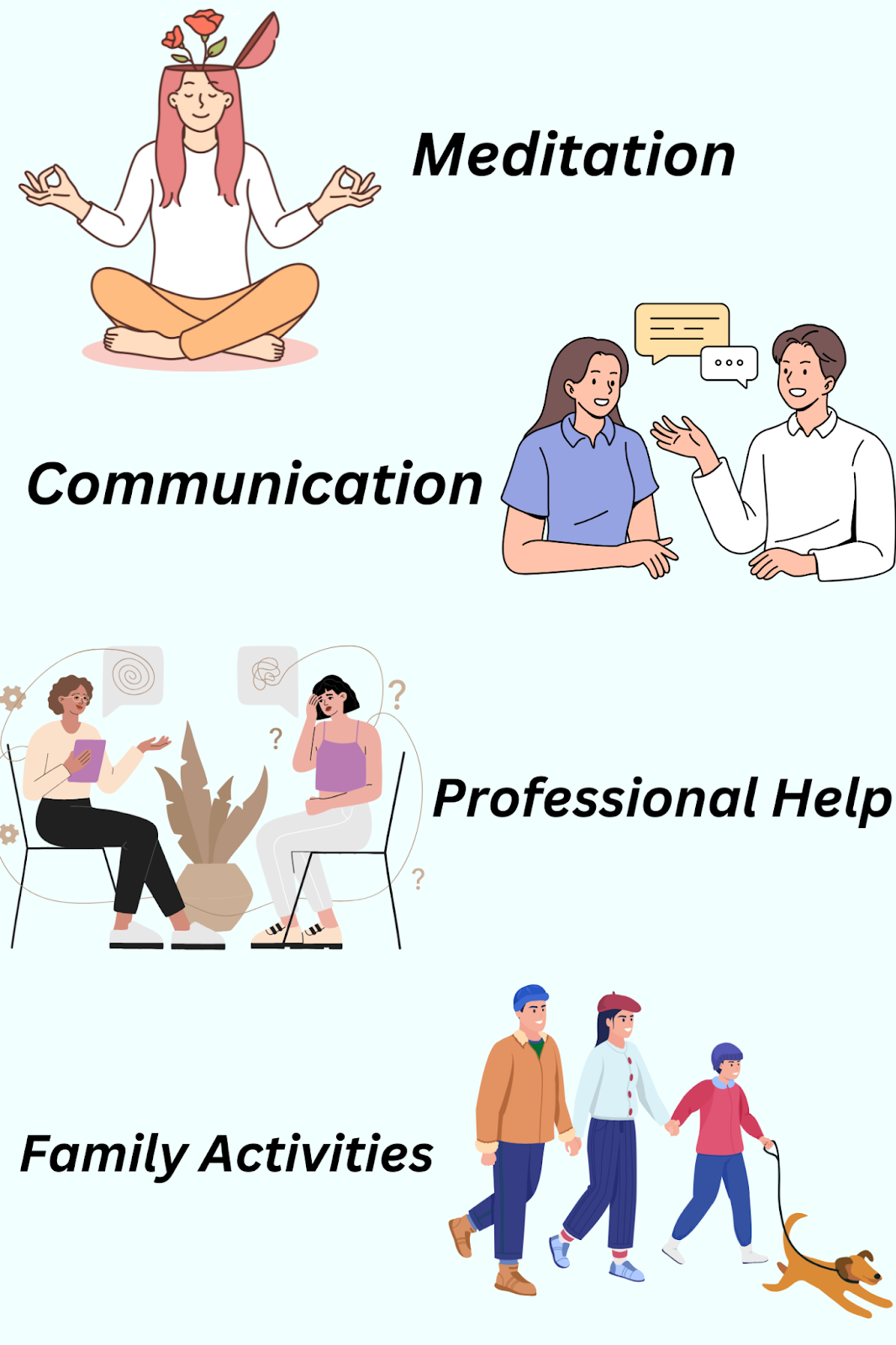
Recognize Triggers:
Maintain an anger journal to identify patterns and avoid reactive outbursts.
Practice Mindfulness:
Simple techniques like deep breathing, progressive relaxation, and mindful walking can defuse anger.
Example: Residents in Thatipur use local parks for calming morning walks.
Improve Communication:
Replace accusations with "I feel" statements to avoid blame.
Example: "I feel overwhelmed when chores pile up" instead of "You never help."
Seek Professional Help:
Family therapy services offered by CLICK2PRO specialize in anger management tailored to Gwalior’s cultural dynamics.
Engage in Family Activities:
Strengthen emotional bonds through shared activities like game nights or community events.
Informational Table
|
Trigger |
Impact |
Suggested Solution |
|
Miscommunication |
Emotional distancing, resentment |
Practice active listening |
|
Financial stress |
Increased family conflicts |
Seek budget-friendly counselling |
|
Generational differences |
Misunderstandings between age groups |
Foster open family discussions |
Research and Theories on Anger Management
-
Psychological Insights:
Albert Ellis’s Rational Emotive Behavior Therapy (REBT) emphasizes recognizing irrational thoughts that fuel anger.
Studies by Daniel Goleman on emotional intelligence highlight the role of self-awareness in managing anger.
-
International Research:
APA research identifies mindfulness-based stress reduction (MBSR) as an effective tool for reducing familial anger.
A report by WHO emphasizes culturally sensitive anger management techniques for diverse communities.
How CLICK2PRO Helps Families in Gwalior
-
Tailored Solutions:
Localized online counselling services addressing Gwalior’s unique family dynamics.
Testimonials from families who resolved conflicts through online therapy sessions.
-
National Outreach:
If you're searching for a trusted psychotherapist near me to help manage family anger and improve relationships, CLICK2PRO offers expert counselling services tailored to your needs.
CLICK2PRO extends its services across India, offering virtual sessions to support families in semi-urban and rural areas.
Long-term Solutions for Preventing Anger
-
Build Emotional Resilience:
Teach children coping mechanisms like journaling or drawing to express emotions constructively.
-
Promote Forgiveness:
Forgiveness is a tool to release emotional burdens and foster reconciliation.
FAQs
-
How can I manage anger in family relationships?
Recognize triggers, practice mindfulness, and seek professional therapy if needed.
-
What are common triggers of family anger?
Miscommunication, unresolved past issues, and financial stress are key factors.
-
Can therapy help with family anger?
Yes, therapy uncovers root causes and provides tools to manage conflicts effectively.
-
What are the long-term effects of unresolved anger?
It erodes trust, disrupts harmony, and causes emotional insecurities in children.
Conclusion
Managing anger within family relationships is not just about reducing conflicts but fostering trust and harmony. By recognizing triggers, improving communication, and seeking professional support, families can move from conflict to connection. CLICK2PRO offers specialized services tailored to Gwalior’s families, ensuring a healthier, happier home environment.